
Tracheostomy Decannulation and Weaning: Cuff Management, Speaking Valves and Secretion Protocols
In short
Weaning from a tracheostomy restores natural airway defense and verbal communication. Learn cuff deflation criteria, speaking valve mechanics, capping trials, and decannulation milestones.
In this guide (5 sections)
The Purpose and Anatomical Impact of Tracheostomy
A tracheostomy is a surgically created opening through the anterior cervical trachea (typically between the second and third tracheal rings) indicated for prolonged mechanical ventilation, acute upper airway obstruction, or severe neurological secretion retention.
While a tracheostomy tube provides a secure airway and facilitates bronchial suctioning, long-term presence of the tube carries significant morbidities: loss of subglottic pressure, impaired laryngeal elevation during swallowing (dysphagia), loss of smell and taste, inability to phonate (aphonia), and tracheal stenosis.
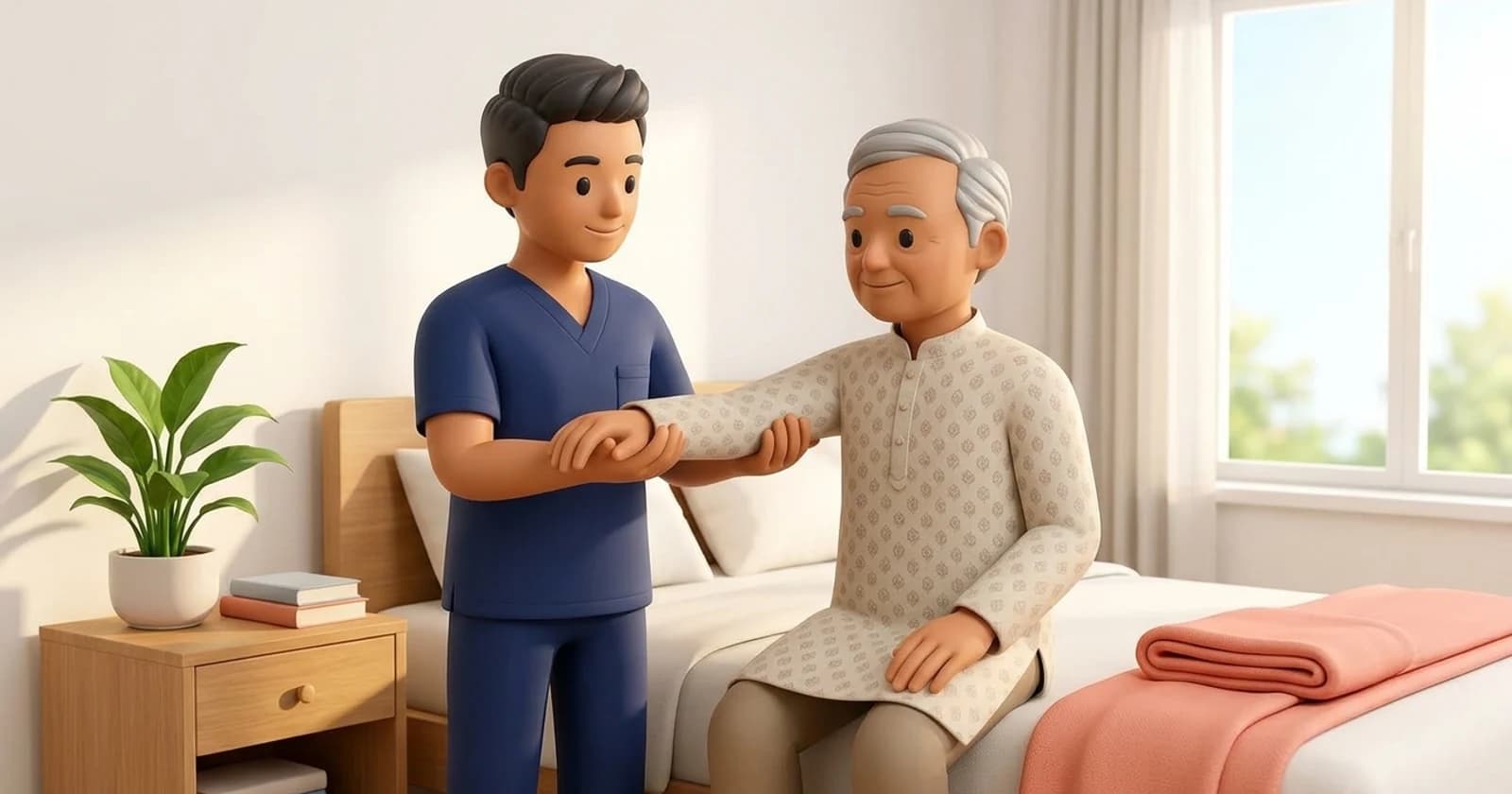
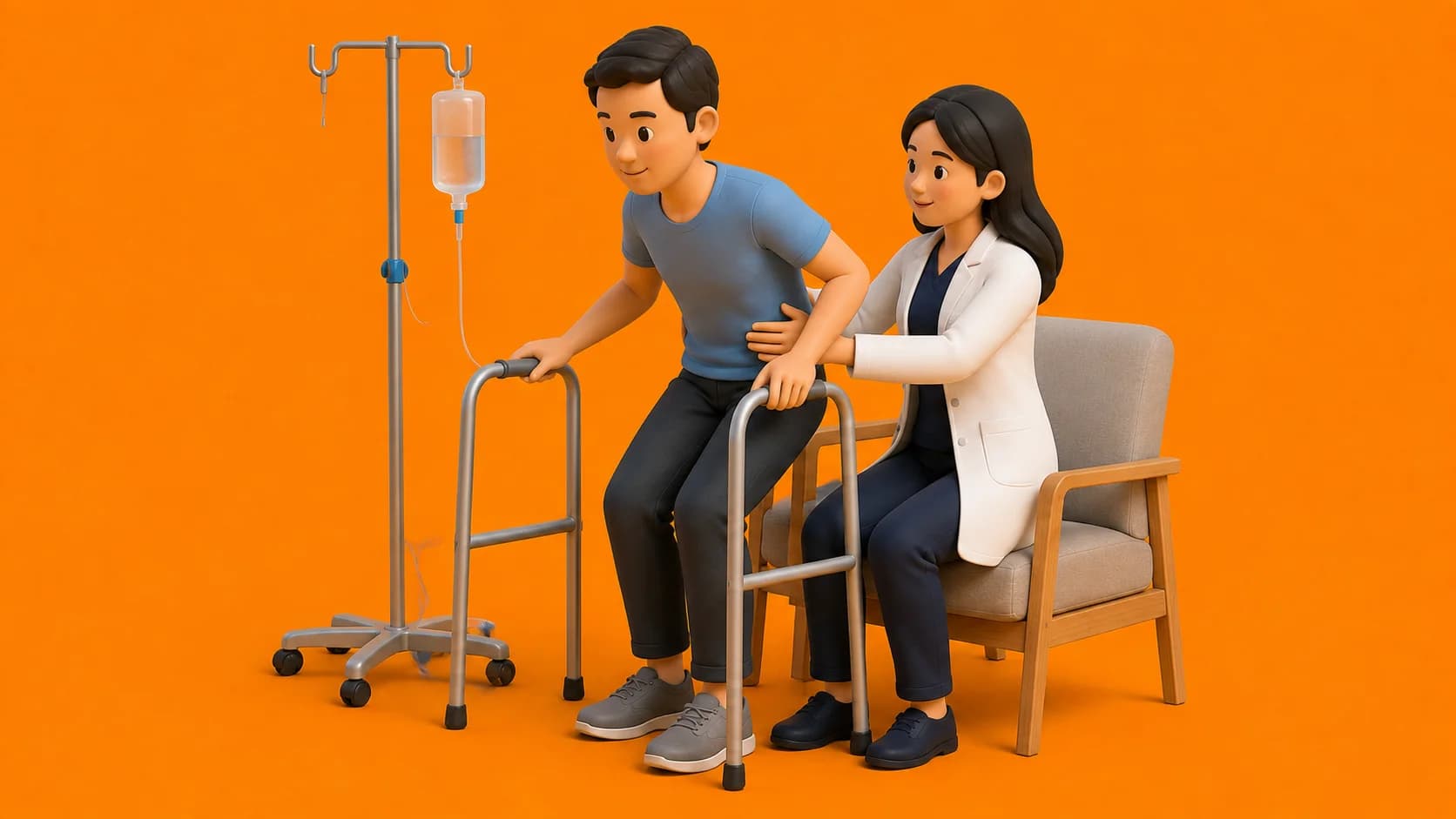
A multidisciplinary weaning protocol led by physiotherapists, speech-language pathologists, and pulmonologists safely transitions the patient toward decannulation.
The Stepwise Tracheostomy Weaning Pathway
Decannulation follows a rigorous sequential progression: cuff deflation -> speaking valve trial -> tube downsizing -> capping trial -> decannulation.
| Weaning Stage | Clinical Procedure Performed | Pass Criteria for Progression | Key Safety Watchouts | |
|---|---|---|---|---|
| 1. Cuff Deflation | Suction above cuff; slowly deflate balloon with syringe | Patient maintains SpO2 >= 95% on room air or low oxygen | Check for acute stridor or upper airway obstruction. | |
| 2. Speaking Valve (PMV) | Place one-way Passy-Muir Valve on hub with deflated cuff | Air enters tube on inspiration, exits mouth/nose on expiration | CUFF MUST BE FULLY DEFLATED or patient will suffocate. | |
| 3. Tube Downsizing | Downsize tube (e.g., from size 8 to size 6 or 4 fenestrated) | Allows airflow around the cannula; preserves stoma opening | Facilitates natural trans-laryngeal airflow during breathing. | |
| 4. Capping / Button Trial | Place solid occluding cap over the tube opening for 24-48 hrs | Tolerates 24-48 hours of normal breathing and sleeping | Patient can cough secretions into mouth independently. | |
| 5. Decannulation | Remove tube completely; apply sterile occlusive dressing | Stoma closes spontaneously within 7 to 14 days | Keep emergency re-intubation kit and suction at bedside. |
The Passy-Muir Speaking Valve (PMV) and Subglottic Pressure
The Passy-Muir Valve is a closed-position, 'no-leak' one-way valve that opens during inspiration and closes automatically at the end of inspiration, redirecting 100 percent of exhaled air up through the vocal cords, pharynx, and oral cavity.
Restoring trans-laryngeal airflow re-establishes subglottic air pressure, improves swallowing safety, decreases aspiration risk, enhances sense of smell, and enables natural speech.
- MANDATORY WARNING: Cuff Must Be Deflated: Never place a speaking valve or cap on a tracheostomy tube with an inflated cuff. Exhaled air cannot escape past the inflated cuff, causing rapid, fatal asphyxiation.
- Pre-Deflation Pharyngeal Suctioning: Thoroughly suction the oral cavity and subglottic space before deflating the cuff to prevent pooled saliva from flooding down into the lungs.
- Cough Strength Assessment: Assess the patient ability to generate forceful cough: Peak Cough Flow (PCF) must exceed 160 L/min for safe decannulation.
- Active Secretion Clearance Training: Coach huffing and thoracic expansion exercises so the patient learns to expectorate secretions through the mouth rather than through the tracheostomy tube.
Home Caregiver Education and Stoma Management
In Indian home care, tracheostomy suctioning is frequently performed by family members or domestic attendants. Poor sterile technique risks multidrug-resistant Pseudomonas or Acinetobacter stoma infections.
Physiotherapists provide hands-on training in sterile suctioning depth, inner cannula cleaning with hydrogen peroxide or normal saline, and recognizing tracheitis red flags.
Frequently Asked Questions
How long after removing a tracheostomy tube does the stoma hole close?
In most patients, the tracheal stoma closes spontaneously within 7 to 14 days. An airtight sterile gauze dressing is applied with pressure during coughing until complete epithelial closure.
What is the single most important safety check before placing a speaking valve?
Confirming 100 percent cuff deflation with a syringe. If the cuff is inflated, the patient cannot exhale air, leading to immediate asphyxiation.
Can a patient eat and drink with a tracheostomy tube in place?
Yes, provided a formal swallowing assessment (such as a FEES or Modified Barium Swallow test) confirms no aspiration. A deflated cuff with a speaking valve in place improves swallowing safety by restoring subglottic pressure.
Related condition guides

Related recovery guides & articles
BookPhysio.in Editorial Team
The BookPhysio.in editorial team writes and maintains this content, checking it against reliable clinical sources. Content follows our medical review policy: general information only, and no page claims a clinical review until a named registered physiotherapist has signed it off.
Read our medical review policy