
Neurogenic Bowel: Upper Motor Neuron vs Lower Motor Neuron Protocols
In short
Clinical distinction between UMN reflexic and LMN areflexic neurogenic bowel syndromes. Suppositories, digital stimulation, manual evacuation, and dietary management.
In this guide (3 sections)
Neurogenic bowel dysfunction affects nearly all individuals following significant spinal cord injury, representing one of the greatest physical and psychosocial challenges to daily life. Disruption of autonomic and somatic pathways impairs colorectal motility, abolishes normal rectal sensation, and disables voluntary external anal sphincter control. Establishing a predictable, timely bowel management program is essential to prevent fecal impaction, recurrent autonomic dysreflexia, and bowel incontinence.
Neuroanatomy and Clinical Distinction of Neurogenic Bowel Syndromes
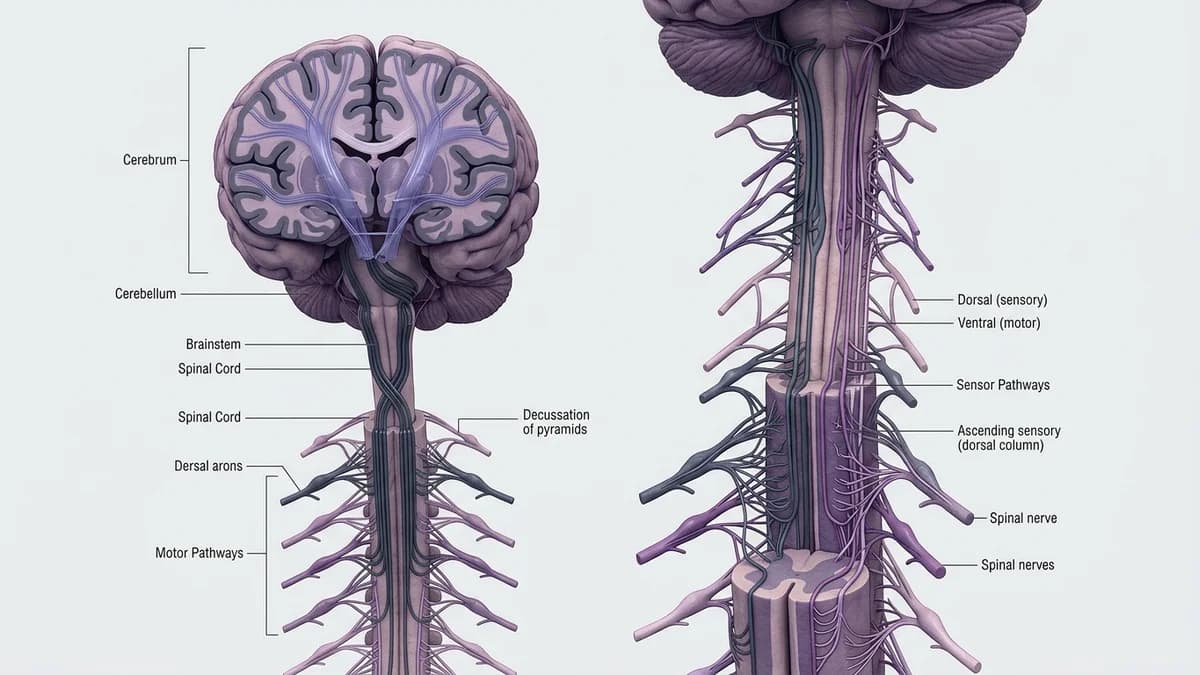
The clinical presentation divides into Upper Motor Neuron (UMN) reflexic bowel and Lower Motor Neuron (LMN) areflexic bowel. UMN bowel results from cord lesions above the conus medullaris (cervical and thoracic levels). The S2-S4 parasympathetic reflex arc remains intact, leaving the puborectalis muscle and external anal sphincter chronically hypertonic and spastic. While voluntary defecation is lost, the intrinsic defecation reflex can be triggered mechanically through rectal wall stretch or chemical contact irritation. Conversely, LMN bowel results from damage to the conus medullaris, cauda equina, or pelvic parasympathetic nerves (S2-S4). The reflex arc is destroyed, causing an areflexic colon, flaccid anal sphincter, and slow colonic transit, predisposing the patient to fecal retention in the descending colon and frequent passive leakage.
| Clinical Dimension | Upper Motor Neuron (Reflexic) Bowel | Lower Motor Neuron (Areflexic) Bowel | Therapeutic Goal | |
|---|---|---|---|---|
| Neurological Lesion Level | Supraconal lesions (cervical and thoracic spine above T12-L1). | Conal and cauda equina lesions (vertebral level L1-L2 and below). | Determines whether reflex triggering or manual evacuation is required. | |
| Anal Sphincter Tone | Hypertonic, spastic sphincter; tight resting tone on digital exam. | Atonic, flaccid, patulous sphincter; absent voluntary or reflex squeeze. | Prevent high-pressure retention in UMN; prevent passive leakage in LMN. | |
| Primary Defecation Technique | Chemical contact irritant suppository followed by digital rectal stimulation. | Manual stool evacuation, abdominal massage, and firm stool consistency maintenance. | Establish complete bowel evacuation within 30 to 45 minutes on schedule. |
Step-by-Step Upper Motor Neuron Bowel Evacuation Protocol
Schedule the bowel routine at the same time each day or every other day, ideally 20 to 30 minutes following a hot meal or warm beverage to capitalize on the physiological gastrocolic reflex. Whenever feasible, position the patient upright on a padded commode chair, as gravity aids rectal emptying and increases intra-abdominal pressure.
Standardized UMN Reflexic Bowel Stimulation Drill
Objective: Safely stimulate the anorectal reflex to achieve complete evacuation without mucosal injury or autonomic dysreflexia.
- 1Position the patient on a padded toilet commode or in the left lateral Sims position with hips and knees flexed.
- 2Insert a bisacodyl or glycerin suppository high into the rectal ampulla, ensuring contact directly against the rectal mucosal wall.
- 3Wait 15 to 20 minutes to allow the suppository to dissolve and stimulate the mucosal plexus of Auerbach.
- 4Don a lubricated examination glove, gently insert an index finger 2 to 3 cm into the anal canal, and rotate the finger in a circular motion against the sphincter wall for 30 to 60 seconds.
- 5Repeat digital rectal stimulation every 10 to 15 minutes until stool evacuation is complete and the rectal vault is empty upon digital check.
Domestic Indian Dietary Realities and Stool Consistency
In Indian households, traditional diets rich in dal, whole wheat roti, and vegetables provide substantial dietary fiber, but fluid intake must be synchronized with fiber consumption. If high-fiber foods are consumed without adequate fluid (at least 2.0 to 2.5 liters daily), the stool becomes excessively bulky and hard, causing severe fecal impaction. Caregivers must balance fiber intake and avoid excessive spices that trigger loose, unpredictable stools in patients with an areflexic sphincter.
Clinical Surveillance for Severe Bowel Complications
Chronic mismanagement of neurogenic bowel leads to megacolon, bowel obstruction, and recurrent autonomic dysreflexia. Any cessation of bowel output exceeding 72 hours requires immediate clinical investigation.
- Stercoral Ulceration and Perforation: Hard, impacted fecalomas exert continuous focal pressure on the colonic mucosa, leading to ischemic necrosis and life-threatening perforation.
- Dysreflexia Trigger During Disimpaction: Instill 10 mL of 2 percent lignocaine jelly before digital manipulation in T6 or higher injuries to prevent severe hypertensive crises.
- Hemorrhoidal Thrombosis: Avoid prolonged sitting on unpadded commodes beyond 45 minutes to prevent painful external and internal hemorrhoidal engorgement.
Never perform rapid or aggressive digital rectal stimulation with long fingernails or insufficient lubricant. Rectal tear, severe bleeding, or fatal autonomic dysreflexia can be provoked by rough anorectal manipulation.
Frequently Asked Questions
Why is digital rectal stimulation ineffective for patients with cauda equina syndrome?
Cauda equina syndrome causes a lower motor neuron lesion that destroys the S2-S4 parasympathetic reflex arc. Because the reflex arc is non-functional, digital stretching of the anal canal cannot provoke reflex peristalsis; stool must be evacuated manually or managed through firm stool consistency and Valsalva mechanics.
What is the role of abdominal massage in neurogenic bowel management?
Gentle abdominal massage performed in a clockwise direction along the ascending, transverse, and descending colon stimulates colonic motility, decreases transit time, and assists in propelling stool into the rectal ampulla.
Do patients in India need a doctor referral to begin specialized neuro-physiotherapy?
Under the National Commission for Allied and Healthcare Professions (NCAHP) Act 2021, registered physiotherapists are recognized as primary contact practitioners. You can consult a licensed neuro-physiotherapist directly without a physician prescription. At BookPhysio.in, every practitioner is verified, and you pay directly per session without hidden fees or platform markups.
Related condition guides



Related recovery guides & articles
BookPhysio.in Editorial Team
The BookPhysio.in editorial team writes and maintains this content, checking it against reliable clinical sources. Content follows our medical review policy: general information only, and no page claims a clinical review until a named registered physiotherapist has signed it off.
Read our medical review policy