
Neuromuscular Electrical Stimulation (NMES) for Masseter Relaxation
In short
Electrical stimulation can break stubborn jaw muscle spasms. Learn how NMES and ultra-low frequency TENS restore resting muscle length and relieve TMD pain.

In this guide (4 sections)
Neuromuscular Electrical Stimulation (NMES) and Ultra-Low Frequency Transcutaneous Electrical Nerve Stimulation (ULF-TENS) represent sophisticated electrotherapeutic modalities utilized in specialized craniomandibular physiotherapy to relax severely hypertonic masticatory muscles. When the masseter and temporalis muscles enter a state of chronic ischemic contracture secondary to severe bruxism, trauma, or prolonged dental procedures, voluntary muscle relaxation becomes physiologically impossible due to continuous calcium cycling in dysfunctional motor endplates. Applying carefully calibrated, rhythmic electrical impulses to the motor points of cranial nerve V and VII stimulates synchronous, low-frequency, submaximal muscular twitches. These rhythmic contractions act as an active physiological pump, flushing out accumulated lactic acid, promoting local vasodilation, and resetting muscle spindle sensitivity to restore physiological resting length.
Domestic Realities and Daily Functional Loading in India
In Indian clinical practice, electrotherapy is widely respected, yet patients often harbor misconceptions that electrical stimulation will deliver painful electric shocks to their faces. Clinicians reassure patients by explaining that craniofacial NMES utilizes minute, micro-current pulses designed to produce pleasant, rhythmic pulsing rather than painful contractions. In bustling metropolitan clinics across Mumbai, Kolkata, and Chennai, patients frequently present with severe jaw trismus following complex dental work or months of stressful night shifts in IT and customer service sectors. Combining clinic-based NMES sessions with active home movement education offers an effective bridge to functional recovery without over-reliance on sedating oral muscle relaxants like baclofen or thiocolchicoside, which frequently cause daytime drowsiness.
Ultra-Low Frequency Stimulation and Motor Point Depolarization
The neurophysiological mechanism of ULF-TENS in TMD centers on the delivery of low-frequency impulses (typically 0.5 to 2 Hertz) with a pulse duration of 250 to 500 microseconds. Electrodes are placed precisely over the coronoid notch and preauricular region, directly targeting the motor branches of the trigeminal nerve that innervate the masseter, temporalis, and pterygoid muscles. Because the stimulus frequency is far below the threshold required to produce tetanic contraction, the muscle fibres undergo synchronized, rhythmic twitching. Each twitch increases intramuscular capillary blood flow by up to 300 percent, washing out accumulated algogenic substances (bradykinin, substance P) and facilitating the re-uptake of calcium ions into the sarcoplasmic reticulum, effectively terminating the energy crisis characteristic of chronic myofascial trigger points.
Clinical Protocol Implementation and Post-Stimulation Mobilization
A typical clinical NMES protocol for masseter hypertonicity lasts 30 to 45 minutes. The skin overlying the masseter and preauricular area is cleansed thoroughly with alcohol to remove natural oils and ensure low skin impedance. Electrodes are placed bilaterally over the mandibular notch and the angle of the jaw. The stimulation intensity is slowly elevated until visible, rhythmic, painless twitching of the jaw elevators is observed, producing a subtle, rhythmic tapping of the teeth. Following the electrical stimulation session, the patient immediately transitions to active-assisted vertical range of motion and Rocabado hinge opening exercises to lock in the newly acquired muscle compliance.
Post-Stimulation Active Jaw Opening and Calibrated Resting Reset
Objective: Capitalize on post-electrical muscle relaxation to restore smooth vertical range of motion
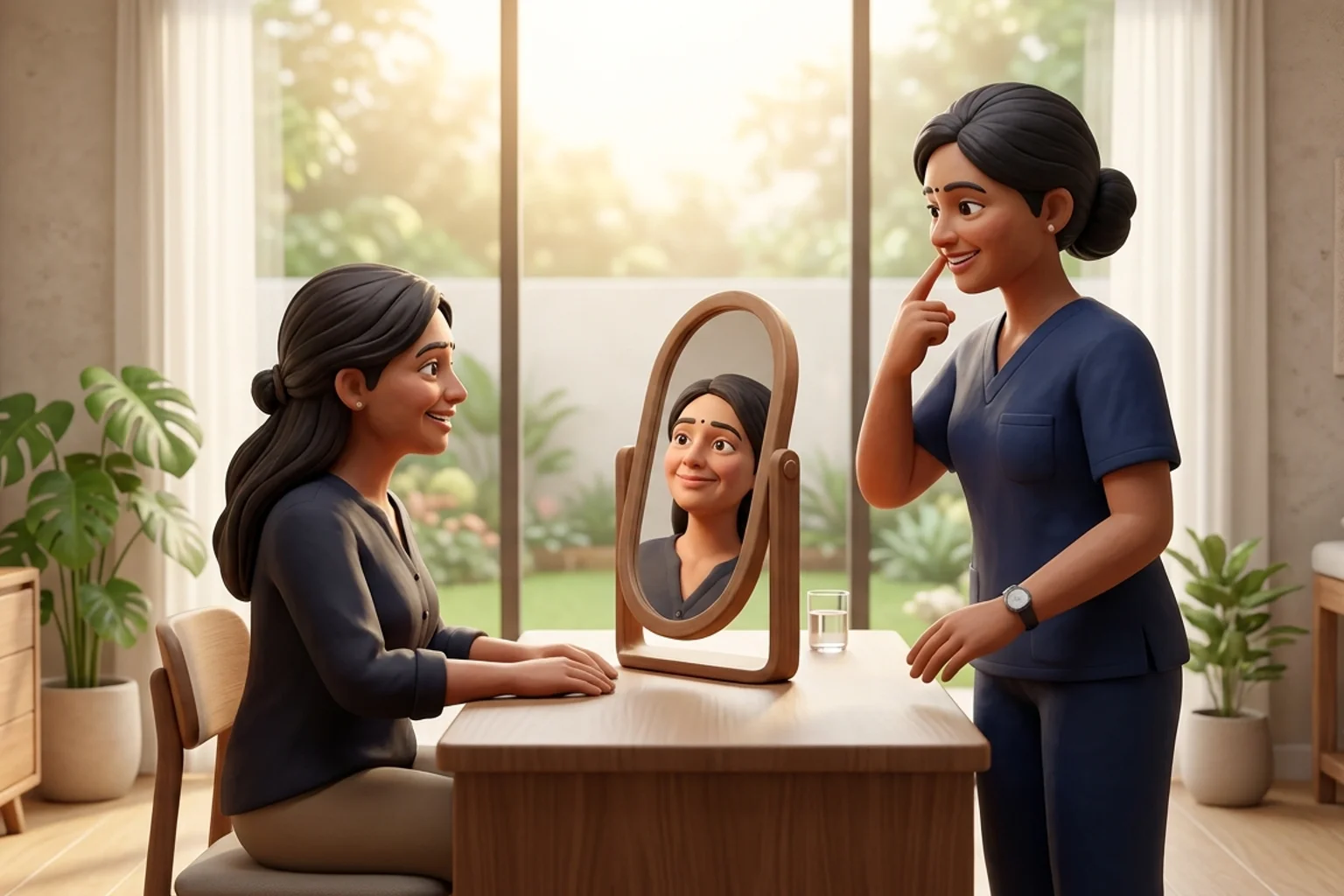
- 1Immediately following your electrical stimulation session, sit upright in front of a mirror with your shoulders relaxed.
- 2Place the broad tip of your tongue firmly against the roof of your mouth just behind your upper front teeth.
- 3Slowly drop your jaw open within pure rotation, enjoying the newfound softness and compliance in your cheeks.
- 4Hold the gentle open position for 3 seconds without bouncing or forcing, breathing calmly through your nose.
- 5Smoothly close your mouth back to the resting position where your lips touch but your teeth remain 3 millimetres apart.
| Electrotherapy Parameter | Ultra-Low Frequency TENS (0.5 to 2 Hz) | Conventional High-Frequency TENS (80 to 120 Hz) | Physiotherapy Clinical Selection |
|---|---|---|---|
| Frequency and Pulse Width | 0.5 to 2 Hz; wide pulse duration (250-500 us) | 80 to 120 Hz; narrow pulse duration (50-100 us) | ULF-TENS targets deep motor points; conventional targets sensory nerves |
| Primary Physiological Mechanism | Motor point depolarization, rhythmic twitching, vascular pump | Pain gate mechanism; stimulates large A-beta sensory fibres | ULF-TENS physically releases tight muscle bands; TENS blocks pain |
| Duration of Clinical Effect | Prolonged: restores resting muscle length for hours to days | Transient: pain relief often diminishes shortly after unit is removed | ULF-TENS is superior for chronic trismus and muscle contracture |
Electrical stimulation of the craniofacial region is strictly contraindicated in patients with cardiac pacemakers, implanted cardioverter defibrillators (ICDs), deep brain stimulators, active epilepsy, or active cutaneous or mucosal malignancies in the head and neck. Furthermore, electrodes must never be placed over the anterior carotid triangle to avoid stimulating the carotid sinus.
Frequently Asked Questions
Will electrical stimulation on my face give me electric shocks?
No. Craniofacial electrical stimulation delivers tiny, controlled micro-pulses that feel like a gentle, rhythmic tapping or pulsing on your cheeks. It is entirely safe, non-invasive, and highly comfortable when administered by a trained physiotherapist.
Do I need an ENT or dental referral before consulting a TMJ physiotherapist on BookPhysio.in?
BookPhysio.in does not ask for a doctor referral. Under the National Commission for Allied and Healthcare Professions (NCAHP) Act 2021, Indian patients hold direct first-contact access to registered physiotherapists. On BookPhysio.in, you schedule directly and pay your clinician per session, with zero advance package traps, mandatory block bookings, or platform commission fees.
Related condition guides


Related recovery guides & articles
BookPhysio.in Editorial Team
The BookPhysio.in editorial team writes and maintains this content, checking it against reliable clinical sources. Content follows our medical review policy: general information only, and no page claims a clinical review until a named registered physiotherapist has signed it off.
Read our medical review policy