
Neuropathic Pain and Tactile Allodynia in Critical Illness Polyneuropathy
In short
Manage neuropathic burning pain and tactile allodynia in CIP survivors. Sensory desensitization, gentle mobilization, and physiotherapy in India.
In this guide (2 sections)
Survivors of Critical Illness Polyneuropathy (CIP) frequently endure severe, debilitating neuropathic pain and tactile allodynia that severely undermine their rehabilitation progress. Patients describe agonizing burning, electrical shooting sensations, and intense prickling in the distal extremities, where even the light touch of a bedsheet or clothing causes severe distress. Physiotherapy must carefully balance sensory desensitization with active motor rehabilitation.
Peripheral Axonal Sprouting and Central Sensitization Mechanisms
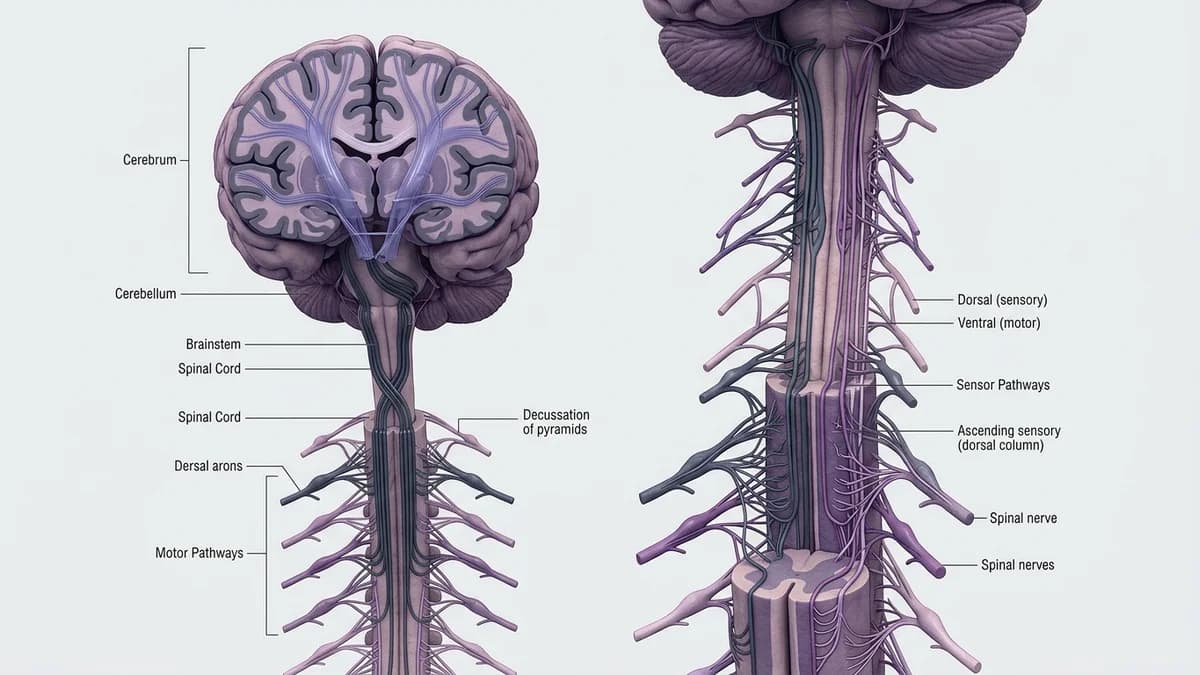
Critical Illness Polyneuropathy involves widespread microvascular ischemia and toxic free radical damage to unmyelinated C-fibers and finely myelinated A-delta fibers. As damaged peripheral axons attempt regeneration, regenerating nerve sprouts exhibit abnormal spontaneous electrical ectopic pacemakers and hypersensitive voltage-gated sodium channels. This relentless barrage of abnormal peripheral nociceptive input bombards second-order dorsal horn neurons in the spinal cord, inducing central sensitization, expanding receptive fields, and transforming non-noxious tactile inputs (A-beta fibers) into intense pain signals (allodynia).
| Sensory Phenotype | Clinical Manifestation | Neurobiological Mechanism | Physiotherapy Desensitization Modality | |
|---|---|---|---|---|
| Dynamic Mechanical Allodynia | Severe pain provoked by light brushing of clothing or cotton sheets | Spinal dorsal horn central sensitization, aberrant A-beta fiber rewiring | Graded texture desensitization (silk to cotton to corduroy to terrycloth) | |
| Spontaneous Burning Dysesthesia | Constant deep burning and tingling in feet and distal lower legs | Ectopic pacemaker discharges in regenerating unmyelinated C-fibers | Sub-thermal contrast baths, gentle rhythmic active movement, TENS | |
| Static Thermal Hyperalgesia | Exaggerated pain response to mildly warm or cool temperatures | TRPV1 and TRPM8 channel upregulation on cutaneous nerve terminals | Graded thermal adaptation drills starting at neutral body temperature | |
| Impaired Proprioception | Loss of joint position sense, sensory ataxia during walking | Axonal degeneration of large myelinated A-alpha and A-beta fibers | Visual-motor biofeedback, textured balance mats, closed-chain loading |
Graded Cutaneous Desensitization and Tactile Retraining
Rehabilitation incorporates structured cutaneous desensitization protocols performed three to four times daily. Sessions begin with non-threatening textures: stroking the hypersensitive foot with soft silk or velvet for two minutes, gradually advancing over days to smooth cotton, textured corduroy, and rough terrycloth towel rubdowns. Concurrently, clinicians apply high-frequency transcutaneous electrical nerve stimulation (TENS) at 100 Hz with comfortable sensory-level intensity to activate large-diameter A-beta fibers and engage the spinal gate control mechanism.
Graded Cutaneous Towel Friction and Sensory Grounding Drill
Objective: Dampen dorsal horn central sensitization and re-educate non-noxious tactile processing.
- 1Sit comfortably in a chair with the hypersensitive foot resting on a clean, soft cotton towel.
- 2Grasp a soft cotton washcloth and gently stroke the dorsum and plantar surface of the foot using light pressure.
- 3Maintain rhythmic stroking for two full minutes while concentrating on slow, relaxed diaphragmatic breathing.
- 4Acknowledge the sensory feeling without tensing the leg muscles or withdrawing the foot.
- 5Progress to lightly rubbing the sole of the foot back and forth across the floor towel for two minutes.
Domestic Recovery in India and Multigenerational Support
In Indian households, family members often express confusion when a recovering elder cries out in pain simply from the touch of a bedsheet or when washing feet during daily ablutions. Visiting physiotherapists educate the multi-generational family about allodynia, reassuring relatives that the pain is physiological, not psychological. Families are taught to construct simple domestic bed cradles using lightweight cardboard or wire frames to suspend heavy quilts away from hypersensitive feet.
Long-Term Trajectory and Neuropathic Pain Resolution
While severe allodynia typically peaks between two and four months post-ICU, consistent cutaneous desensitization combined with prescribed pharmacological neuropathic modulators (such as pregabalin or gabapentin) yields substantial symptom relief by six months. As peripheral nerve sprouts mature, sensory thresholds normalize, allowing comfortable shoe wear and independent community walking.
Do not apply ice packs or very hot fomentation to insensate or allodynic feet. Compromised microvascular perfusion and impaired temperature discrimination create high risks for frostbite or severe thermal burns.
Can physical exercise make neuropathic pain worse in CIP survivors?
Initial physical movement may trigger temporary tingling due to enhanced microvascular circulation, but structured, submaximal aerobic exercise actually reduces neuropathic pain over time by stimulating endogenous endorphin release and promoting healthy nerve growth factor signaling.
Do I need a doctor referral to consult a home physiotherapist in India?
Under the National Commission for Allied and Healthcare Professions (NCAHP) Act 2021, patients in India enjoy direct access to registered physiotherapists without requiring a mandatory doctor referral. At BookPhysio.in, you consult verified physiotherapists and pay directly per session without hidden fees or platform commissions.
Related condition guides



Related recovery guides & articles
BookPhysio.in Editorial Team
The BookPhysio.in editorial team writes and maintains this content, checking it against reliable clinical sources. Content follows our medical review policy: general information only, and no page claims a clinical review until a named registered physiotherapist has signed it off.
Read our medical review policy