
Return to Learning and Study: Cognitive Fatigue Accommodations for Students
In short
Academic reintegration following traumatic brain injury: managing neurocognitive fatigue, study block pacing, sensory accommodations, and timetable titration.
In this guide (6 sections)
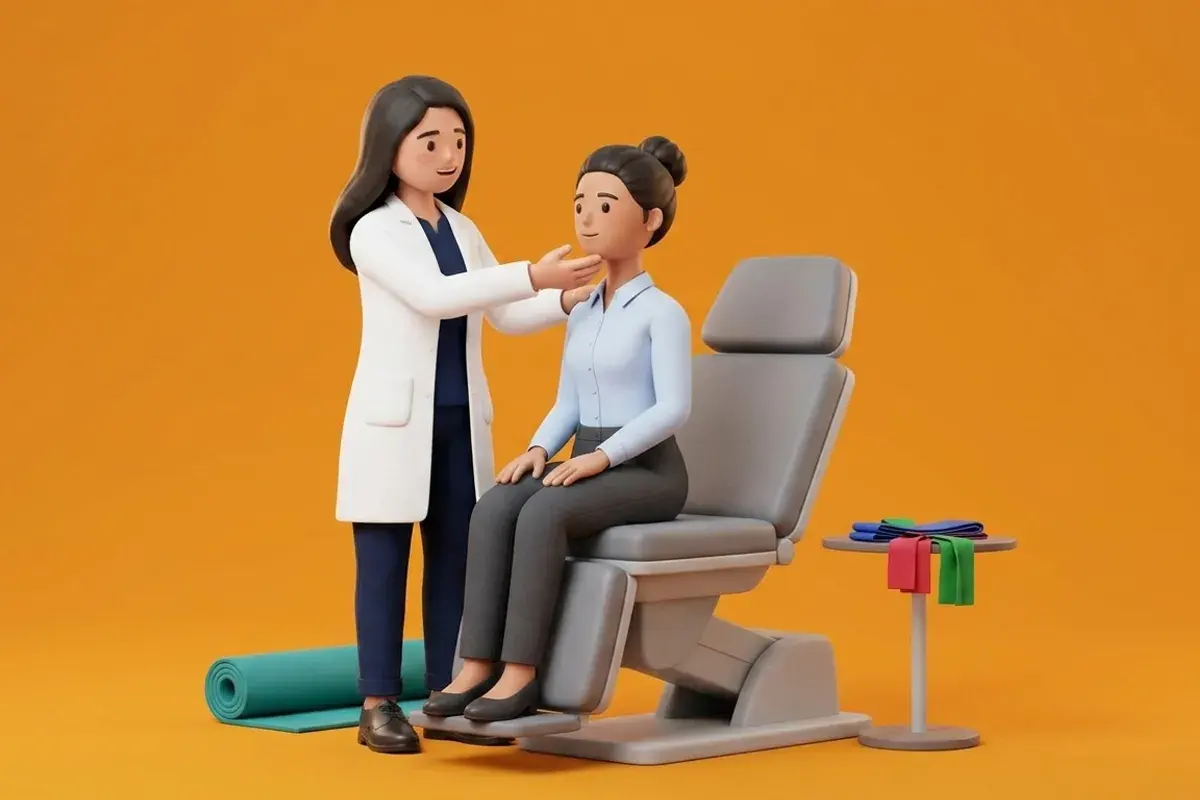
Returning to school, college, or university following mild, moderate, or severe traumatic brain injury is a major neuro-rehabilitation hurdle for adolescent and young adult survivors. Diffuse axonal shearing and fronto-temporal contusions disrupt white matter network efficiency, forcing the brain to recruit compensatory cortical areas to accomplish standard cognitive processing. This excessive neural resource recruitment leads to rapid neurocognitive fatigue: an acute, overwhelming depletion of mental stamina triggered by reading, complex problem solving, fluorescent classroom lighting, and ambient acoustic noise. When students return prematurely to full academic schedules without structured pacing accommodations, cognitive exhaustion triggers acute symptom flares, including severe tension headaches, dizziness, emotional irritability, and memory failure. Neuro-physiotherapists, in collaboration with neuropsychologists, must structure a graduated return-to-learning protocol utilizing cognitive micro-breaks, visual screen modifications, and progressive timetable titration.
Domestic and Cultural Realities in Indian Neuro-Rehabilitation
In the intensely competitive educational environment of India, academic success is regarded by families as the single most critical determinant of a young person's future. Parents of student TBI survivors frequently experience immense panic regarding missed board examinations (such as CBSE or ICSE) or lost semesters in engineering, medical, or commerce degree programs. Driven by fear of academic failure, families often force recovering students to resume ten-hour daily study schedules and intensive coaching classes immediately upon hospital discharge. This intense cognitive overloading frequently precipitates severe neuro-fatigue crashes and depression. Physiotherapists must educate Indian parents that cognitive recovery operates under strict biological constraints, coaching them to advocate for official institutional accommodations (such as extra exam time, scribes, or quiet testing halls) recognized by Indian academic boards.
Cognitive Pacing and Study Interval Titration
Cognitive rehabilitation applies the Pomodoro-derived cognitive pacing framework. Study blocks are restricted to 20 to 25 minutes of focused reading, followed immediately by a mandatory 10-minute non-screen cognitive rest break in a dimly lit, quiet room with eyes closed. During rest breaks, social media browsing, television, and messaging are strictly prohibited, as digital screens continue to stimulate visual and cognitive pathways. Students utilize matte paper textbooks rather than backlit tablet screens, adjust laptop displays to warm colour temperatures, and wear blue-light filtering glasses to minimize digital eye strain.
Cognitive rest means genuine sensory down-regulation: resting in a quiet room with eyes closed or listening to soft instrumental audio. Checking mobile phones, texting, or playing video games does not constitute cognitive rest and sustains mental fatigue.
Five-Step Academic Reintegration and Study Pacing Drill
Academic Cognitive Pacing and Visual Rest Protocol
Objective: Structure study sessions into manageable cognitive blocks without precipitating headaches or mental exhaustion.
- 1Establish a dedicated, quiet study workspace free from clutter, positioning the desk adjacent to natural indirect window light rather than direct fluorescent tubes.
- 2Set a kitchen timer for precisely 20 minutes, engaging in single-subject textbook reading or note-taking without multitasking.
- 3At the timer signal, stop immediately even if mid-paragraph, closing the book and stepping away from the desk.
- 4Transition to a comfortable armchair, apply a cool eye mask or close your eyes, and perform deep diaphragmatic breathing for 10 minutes.
- 5Check for headache or eye strain on a 1-to-10 scale; if symptoms have increased by 2 points, terminate study for the morning.
Clinical Stratification and Protocol Benchmark
| Re-Entry Stage | Academic Activity Level | Classroom Accommodations | Progression Criteria |
|---|---|---|---|
| Stage 1: Home Cognitive Rest | Daily living activities; light recreational reading (<15 min); no homework | Zero school attendance; zero computer or smartphone study | Tolerate 30 minutes of light cognitive tasks without symptom elevation |
| Stage 2: Part-Time Modified | Attend 2 to 3 classes daily; focus on core subjects; no examinations | Rest breaks in nurse's room; sunglasses for fluorescent lighting; no gym class | Tolerate half-day attendance for 5 consecutive days without fatigue crashes |
| Stage 3: Full-Time Accommodated | Full-day school attendance; modified homework load (50% reduction) | Extra time on exams (25-50%); quiet testing hall; peer note-taker provided | Successful completion of academic term with stable cognitive stamina |
Red Flags and Immediate Medical Escalation
If cognitive study attempts trigger sudden severe explosive headache (thunderclap onset), visual aura, transient expressive speech loss, or sudden profound confusion, suspend all academic activities immediately. These red flags warrant emergency neurological evaluation to exclude delayed post-traumatic epilepsy, vascular dissection, or expanding intracranial pathology.
Frequently Asked Questions
Why do bright fluorescent classroom lights trigger headaches in students recovering from TBI?
Traumatic brain injury impairs the pupillary light reflex and causes central photophobia due to hypersensitivity in the trigeminovascular thalamic pathways. Fluorescent lights flicker imperceptibly at 100 to 120 Hz, which severely overstimulates vulnerable visual cortical networks.
How can families in India coordinate cognitive-motor academic rehabilitation through BookPhysio.in?
BookPhysio.in connects families directly with qualified neuro-physiotherapists who design customized return-to-learning programs and school accommodation letters without requiring a physician referral. Under the National Commission for Allied and Healthcare Professions (NCAHP) Act 2021, registered physiotherapists are recognized as independent primary contact practitioners. Families can schedule consultations and pay transparently per session.
Related condition guides


Related recovery guides & articles
BookPhysio.in Editorial Team
The BookPhysio.in editorial team writes and maintains this content, checking it against reliable clinical sources. Content follows our medical review policy: general information only, and no page claims a clinical review until a named registered physiotherapist has signed it off.
Read our medical review policy