
Tenodesis Grasp Preservation in C6 SCI: Avoiding Finger Flexor Overstretching
In short
Biomechanics of functional tenodesis grasp in C6 tetraplegia. Range of motion rules, splinting, and avoiding catastrophic finger flexor overstretching.
In this guide (3 sections)
In individuals with a complete C6 cervical spinal cord injury, preserving a functional tenodesis grasp is the single most critical upper extremity rehabilitation objective. A C6 neurological level spares the extensor carpi radialis longus and brevis (wrist extensors, innervated by C6) while leaving the flexor digitorum profundus, flexor digitorum superficialis, and flexor pollicis longus (innervated by C7, C8, and T1) completely paralyzed. Despite the total absence of active finger flexion, patients can achieve a powerful, functional grasp by exploiting passive mechanical tension across the long finger flexor tendons.
Biomechanics of the Functional Tenodesis Grasp
The tenodesis effect operates as a passive mechanical linkage: when the wrist is actively extended against gravity, the paralyzed flexor tendons running along the palmar aspect of the forearm and hand are placed under passive tension, drawing the fingers into flexion and the thumb into opposition against the lateral index finger (lateral key grip). Conversely, when the wrist drops into gravity-assisted flexion, the flexor tendons relax, allowing the fingers to passively spring open for release. For this passive mechanism to generate functional grip forces (sufficient to hold a cup, write with a pen, or pull a catheter), the long finger flexors must develop controlled, physiological tightness (shortening).
| Clinical Maneuver | Correct Range of Motion Technique | Biomechanical Objective | Dangerous Clinical Error | |
|---|---|---|---|---|
| Finger Extension Protocol | Extend fingers fully ONLY while the wrist is held in full flexion (at least 60 degrees). | Allows full excursion of extensor tendons and collateral ligaments without stretching long flexors. | Extending fingers while the wrist is in neutral or extension permanently destroys tenodesis. | |
| Wrist Extension Protocol | Extend the wrist fully ONLY while all fingers and thumb are allowed to curl into a loose fist. | Preserves wrist mobility and strengthens extensor carpi radialis without stretching flexors. | Flattening the fingers during wrist extension elongates the flexor digitorum tendons. | |
| Bedside Weight Bearing & Transfers | Bear body weight on closed fists, knuckles, or extended wrists with fully curled fingers. | Prevents body weight from forcing open the fingers during sliding board and depression transfers. | Placing palms flat on the mattress with extended fingers severely overstretches flexor tendons. |
Step-by-Step Tenodesis Range of Motion and Splinting Protocol
Every member of the healthcare team (physiotherapists, nurses, doctors, and family caregivers) must strictly follow the tenodesis rules. Place large educational placards at the bedside stating: Never open fingers when the wrist is bent back. Fabricate custom thermoplastic tenodesis splints that maintain wrist extension (30 degrees) with fingers flexed during the night.
Standardized C6 Tenodesis Passive Range of Motion Drill
Objective: Maintain full joint range of motion in the wrist and digits while deliberately preserving physiological shortening of long flexor tendons.
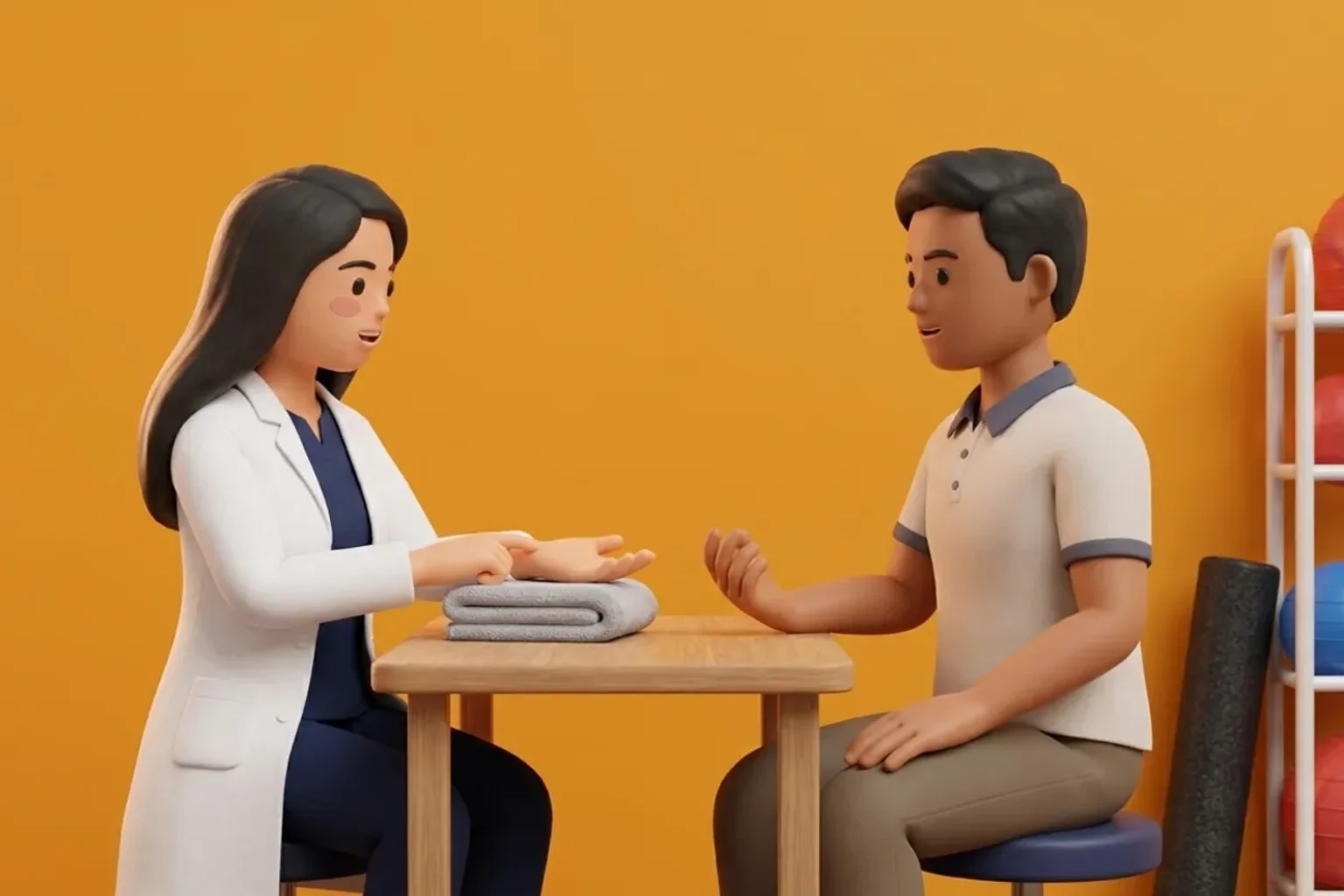
- 1Support the patient forearm in neutral supination-pronation flat on the treatment plinth or armrest.
- 2Gently flex the patient wrist to 60 degrees of flexion with one hand.
- 3With your opposite hand, gently extend each interphalangeal and metacarpophalangeal joint fully to maintain joint capsule extensibility.
- 4Next, curl all four fingers and thumb into a complete, loose fist, keeping the fingertips against the palm.
- 5While maintaining this curled fist posture firmly, bring the wrist into full passive extension (70 to 80 degrees) to maintain wrist extensor flexibility.
Domestic Daily Living and Functional Independence in India
In Indian daily life, achieving an effective tenodesis grasp enables a C6 tetraplegic individual to eat independently using adapted spoons, hold a toothbrush, type on mobile keyboards, write with built-up pens, manage clean intermittent catheterization, and drive adapted motor vehicles. Family members often attempt to flatten the patient hands on the bed out of an instinct that contracted fingers look abnormal. Physiotherapists must educate families that a slightly curled hand is not a deformity, but an indispensable functional tool that provides life-changing independence.
Complications of Tenodesis Destruction and Salvage Options
If long finger flexors are accidentally overstretched by well-meaning staff or improper transfer technique, the tenodesis grasp is permanently lost. The fingers will remain open during wrist extension, rendering the hand non-functional.
- Loss of Lateral Key Pinch: Overstretched tendons cannot generate the 1 to 2 kg of lateral pinch force required to grasp utensils or keys.
- Dependence on Caregivers for Feeding: Destruction of tenodesis forces the patient into complete dependence on family for feeding and hygiene.
- Surgical Tendon Transfer Salvage: If conservative tenodesis fails, surgical transfer of the brachioradialis (C5-C6) to the flexor pollicis longus can restore key pinch.
Never place a flat resting hand splint that holds both the wrist and the fingers in extension simultaneously on a C6 tetraplegic patient. Doing so permanently destroys the tenodesis grasp within weeks.
Frequently Asked Questions
How tight should the long finger flexors become for optimal tenodesis?
Optimal tightness occurs when the fingertips naturally curl to touch the palm or the lateral aspect of the thumb when the wrist is passively extended to 45 degrees, without producing fixed flexion contractures at the proximal interphalangeal joints.
How should a C6 tetraplegic patient position their hands when pushing up for a transfer?
The patient must bear weight on a closed fist with knuckles resting on the transfer board or mattress, or on the dorsal surface of flexed fingers, ensuring the finger flexors are completely protected from tensile overstretching.
Do patients in India need a doctor referral to begin specialized neuro-physiotherapy?
Under the National Commission for Allied and Healthcare Professions (NCAHP) Act 2021, registered physiotherapists are recognized as primary contact practitioners. You can consult a licensed neuro-physiotherapist directly without a physician prescription. At BookPhysio.in, every practitioner is verified, and you pay directly per session without hidden fees or platform markups.
Related condition guides



Related recovery guides & articles
BookPhysio.in Editorial Team
The BookPhysio.in editorial team writes and maintains this content, checking it against reliable clinical sources. Content follows our medical review policy: general information only, and no page claims a clinical review until a named registered physiotherapist has signed it off.
Read our medical review policy