
Physiotherapy for TMJ Disorder
Quick answer
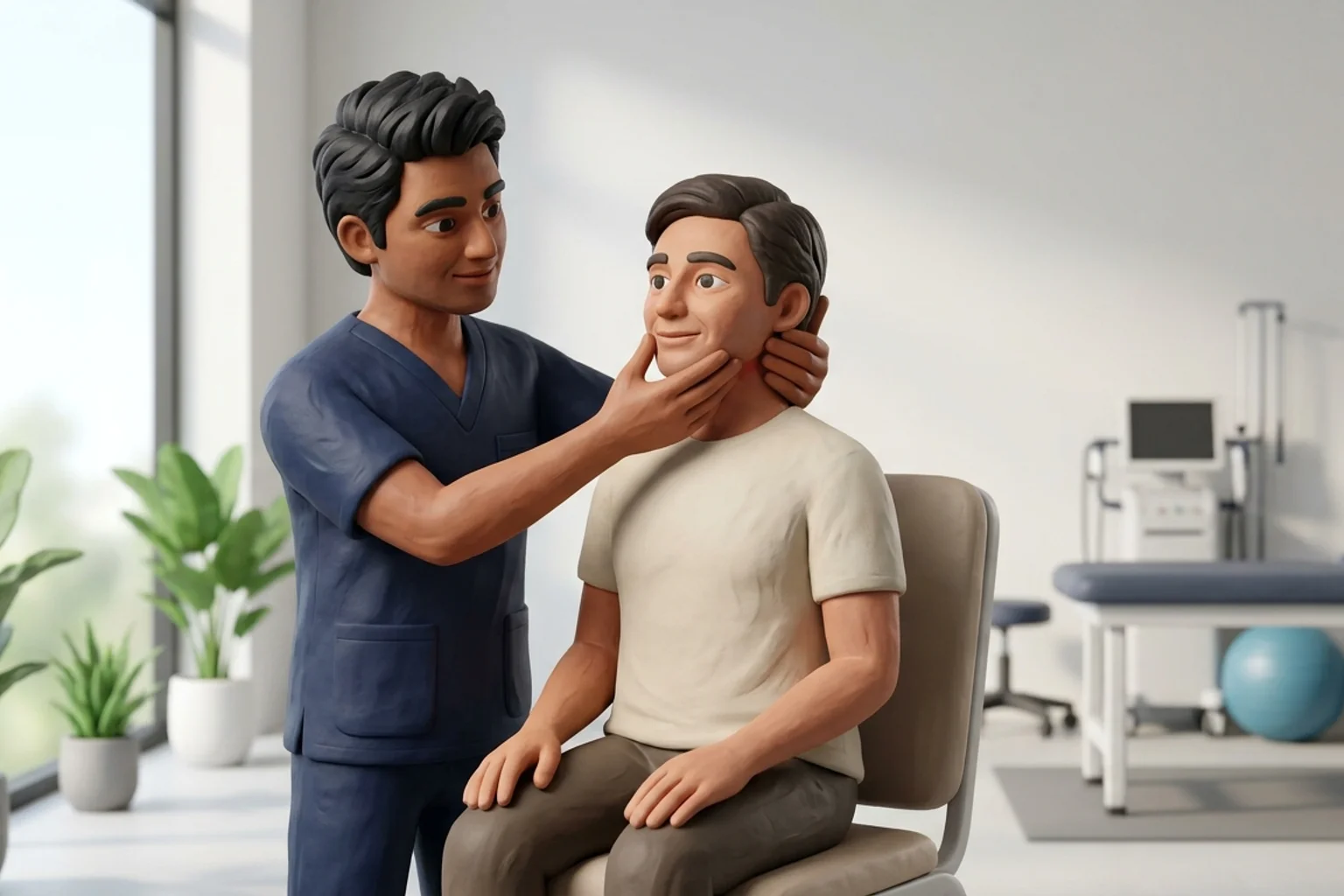
Physiotherapy provides highly targeted, evidence-based relief for temporomandibular joint (TMJ) disorders and jaw pain. A physiotherapist evaluates jaw kinematics, masseter and pterygoid muscle tension, cervical spine posture, and joint disc mobility, combining intra-oral soft tissue release, Rocabado exercises, and posture retraining to restore smooth jaw opening.
- Jaw pain, clicking, or locking with chewing
- Linked to clenching, bruxism, and stress
- Forward-head posture strains jaw joint disc
- Rocabado exercises retrain opening alignment
- Gentle therapy prevents persistent locking
What is TMJ disorder?
Temporomandibular joint dysfunction (TMD or TMJ disorder) involves pain and functional limitation of the jaw joint and masticatory muscles. In urban and desk-working populations across India, chronic stress, clenching or tooth-grinding (bruxism), prolonged forward-head posture during laptop work, and prior dental procedures commonly trigger symptoms. Rather than relying on mouthguards alone, physiotherapy directly addresses muscle trigger points in the masseter and pterygoid muscles, restores cervical spine alignment, and uses specialized controlled opening exercises (such as Rocabado 6x6 protocols) to eliminate clicking, lockjaw episodes, and related tension headaches.
Orthopaedic Physiotherapy
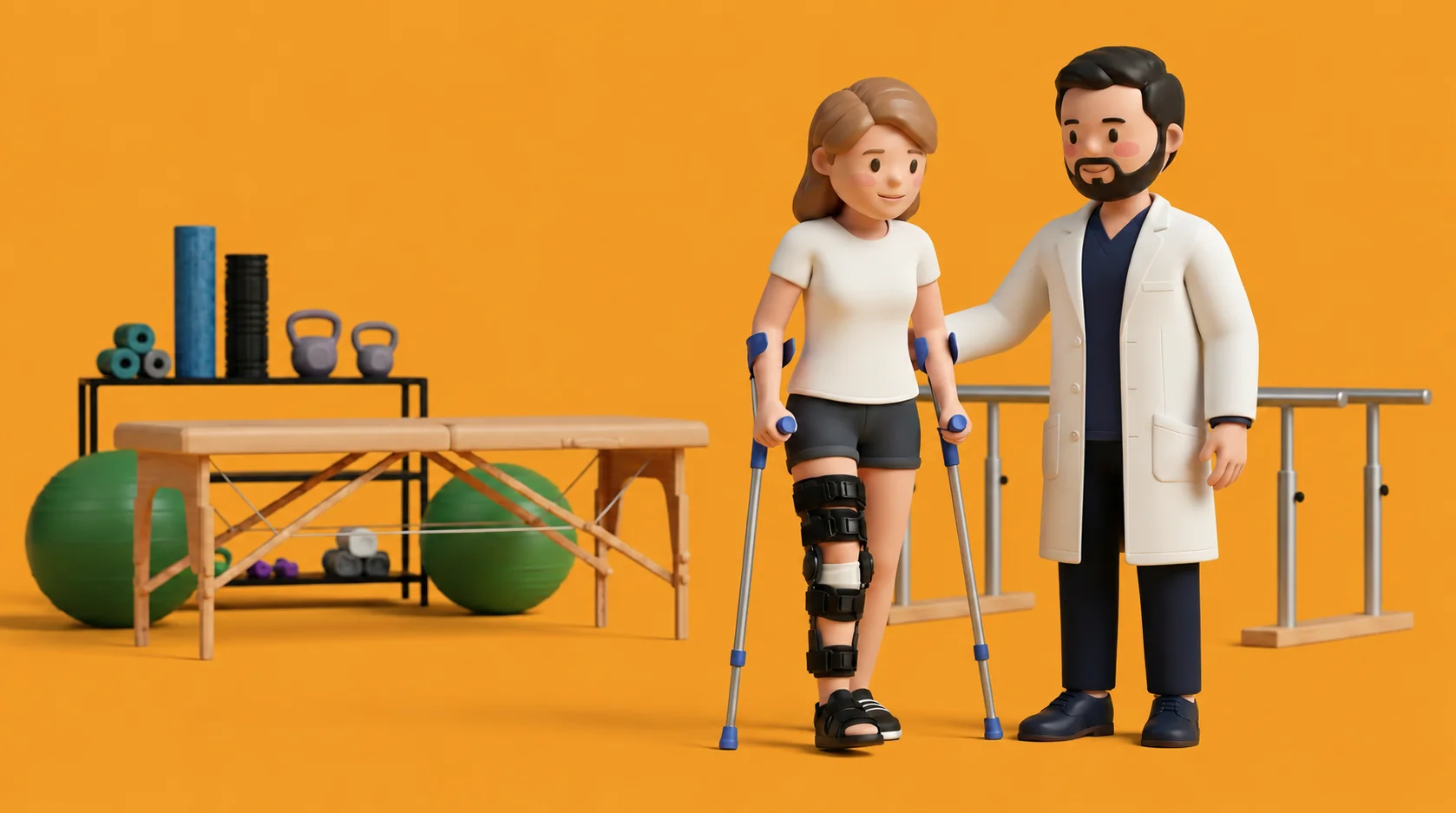
TMJ Disorder is assessed and treated under Orthopaedic physiotherapy (bones & joints). Bones, joints, muscles, and ligaments. Back pain, fractures, and post-surgery recovery.
How physiotherapy helps
- Masseter and pterygoid soft tissue release
- Rocabado 6x6 controlled jaw opening drills
- Cervical spine mobilisation and alignment
- Postural retraining for desk ergonomics
- Night clenching reduction and tongue posture
Common signs
- Pain, tenderness, or aching in the jaw joint, cheek muscles, or front of the ear when chewing or yawning
- Clicking, popping, or grating sounds when opening or closing the mouth
- Restricted mouth opening or jaw deviation to one side during movement
- Temporary locking of the jaw in an open or closed position
- Associated tension headaches, temple tightness, neck pain, or ear fullness without ear infection
In-clinic vs home visit physiotherapy
| What to compare | In-clinic | Home visit |
|---|---|---|
| Typical fee | ₹300 to ₹1,500 a session. It depends on your city. | ₹400 to ₹2,000 a session. It depends on your city. |
| Exact fee | Set by each physiotherapist and shown on their profile | Set separately for home visits and shown on their profile |
| Best for | Equipment-based rehab and first assessments | Limited mobility, post-surgery, and elderly care |
| Equipment | Full clinic setup | Portable equipment the physiotherapist brings |
| Travel | You travel to the clinic | The physiotherapist comes to you |
| Booking | Pick a clinic slot on search | Filter by home visit on search |
Clinical rehabilitation framework
Evidence-informed clinical progression and starter exercise targets for TMJ disorder.
Starter exercise targets & evidence-based dosage
When to seek urgent care
Physiotherapy is safe for most people. See a doctor urgently if you have any of these.
- Jaw pain following major direct facial trauma with suspected mandibular fracture or malocclusion
- Complete closed lock with severe sudden swelling, fever, or difficulty swallowing or breathing
- Numbness, tingling, or weakness affecting one side of the face or tongue
- New severe temple headache with scalp tenderness in an older adult (screen temporal arteritis)
Seek urgent medical care first. Physiotherapy comes after, when it is safe.
Frequently asked questions
How many physiotherapy sessions does TMJ disorder need?
Can I get physiotherapy for tmj disorder at home?
Do I need a dental referral before seeing a physiotherapist for jaw pain?
How much does physiotherapy for tmj disorder cost in India?
Related conditions & care


Clinical guides & articles for TMJ disorder
Evidence-informed articles, recovery timelines, and home care advice from our clinical library.
TMJ Pain and Jaw Clicking: Physiotherapy Exercises for Night Clenching, Chewing Ache, and Bruxism
Painful jaw clicking, ear fullness, and morning temple headaches frequently stem from TMJ dysfunction and teeth grinding. Discover how physiotherapy restores pain-free chewing.
Temporomandibular Disorder (TMD): Disc Displacement, Click Classification and Rocabado 6x6 Rehab
Jaw clicking, locking, and temple headaches point to temporomandibular joint dysfunction. Learn disc displacement mechanics, click timing, and Rocabado's 6x6 exercise protocol.
Temporomandibular Disorders (TMD): Central Sensitization, Sleep Bruxism, and Jaw Recalibration
Chronic TMD frequently transitions into central trigeminal sensitization; combining pterygoid myofascial release, sleep bruxism splinting, and jaw recalibration restores function.
TMJ Anterior Disc Displacement with Reduction: Clicking and Joint Stabilization
Anterior disc displacement with reduction causes audible jaw clicking, reciprocal snapping, and altered opening mechanics. Targeted physiotherapy restores disc coordination, balances pterygoid tension, and stabilises mandibular movement.
Find physiotherapists for TMJ disorder by city
Verified physiotherapists treat TMJ disorder in these cities. Home visit and in-clinic options vary by physiotherapist.
Find a physiotherapist for TMJ disorder
Compare physiotherapists by fee, experience, and availability. Clinic visits and home visits across India.
This page is for general education and booking guidance. It does not diagnose your condition or replace medical care.
If your symptoms are severe, sudden, or getting worse, seek urgent medical care first. The same applies with fever, chest pain, breathlessness, fainting, new weakness, loss of bladder or bowel control, or unexplained bleeding.
Always consult a qualified physiotherapist or doctor about your condition.