
COPD & Bronchiectasis Airway Clearance: ACBT, Pursed-Lip Breathing and Mucus Relief
In short
Chronic Obstructive Pulmonary Disease (COPD) and bronchiectasis trap thick mucus in bronchial branches, causing recurrent infections and severe breathlessness. Discover the Active Cycle of Breathing Techniques (ACBT), huffing mechanics, and pursed-lip breathing to clear airways without exhaustion.
In this guide (5 sections)
The Vicious Cycle of Mucus Retention in COPD and Bronchiectasis
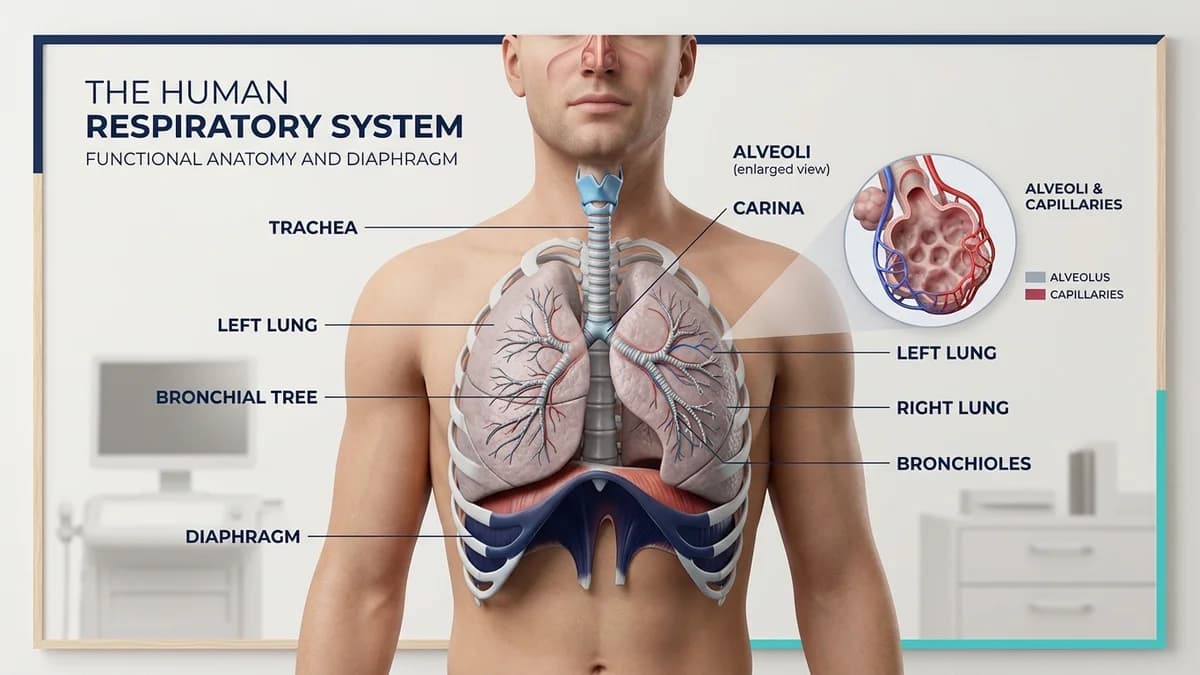
In conditions like chronic bronchitis and bronchiectasis, damaged bronchial cilia cannot sweep mucus upward toward the throat. Sticky secretions accumulate in the lower lung lobes, breeding bacterial colonization, recurrent hospitalizations, and airway inflammation.
Many patients try to clear secretions through harsh, violent coughing fits. However, excessive coughing collapses fragile airway walls, traps mucus deeper, and leads to exhaustion, rib soreness, and oxygen desaturation.
The 3 Phases of the Active Cycle of Breathing Techniques (ACBT)
The Active Cycle of Breathing Techniques (ACBT) is a flexible, highly effective breathing sequence that clears secretions without causing bronchospasm.
| Cycle Phase | Technique Description | Physiological Purpose | Prescribed Repetitions | |
|---|---|---|---|---|
| 1. Breathing Control | Gentle, relaxed tidal breathing using lower chest and diaphragm | Relaxes airways, prevents bronchospasm, and rests respiratory muscles | 20 to 30 seconds between active phases | |
| 2. Thoracic Expansion (TEE) | Slow deep inhalations with a 3-second breath hold at peak | Gets air behind mucus plugs via collateral ventilation channels (pores of Kohn) | 3 to 4 deep breaths with pause | |
| 3. Forced Expiration (Huffing) | 1 to 2 short, medium-volume huffs through an open mouth as if fogging a mirror | Equal pressure point mechanics sheer mucus upward from peripheral to central airways | 1 to 2 huffs followed immediately by breathing control |
Huffing vs Coughing: Why the Equal Pressure Point Matters
A cough closes the vocal cords (glottis) and generates an explosive high-pressure blast that collapses floppy airway walls in COPD patients, trapping phlegm below the closure.
A huff keeps the glottis open. Air flows smoothly behind the secretions, generating high linear airflow velocity that shears mucus off bronchial walls and moves it into the trachea, where a gentle single cough clears it cleanly into a tissue.
Pursed-Lip Breathing and the Tripod Relief Posture
During acute breathlessness flare-ups, two interventions provide rapid physical relief:
- Pursed-Lip Breathing (Internal PEEP): Inhale through your nose for a count of 2. Purse your lips as if blowing out a birthday candle or whistling, and exhale gently for a count of 4. This creates positive back-pressure inside airways, keeping small bronchioles open and allowing trapped stale air to escape.
- The Tripod Relief Posture: Sit leaning slightly forward with your elbows resting on a table or your knees. This fixes the shoulder girdle, allowing the pectoralis and serratus muscles to assist in elevating the ribcage while dome-shaped diaphragmatic excursion is maximized.
Frequently Asked Questions
How often should a patient with bronchiectasis perform ACBT?
Most patients benefit from performing ACBT twice daily (once in the morning to clear secretions accumulated overnight, and once in the evening before sleep). During chest infections, frequency can be increased to 3 to 4 times daily.
Can drinking warm water help clear mucus?
Yes. Adequate systemic hydration thins bronchial mucus, making it significantly less sticky and easier for ACBT huffs to mobilize.
What should I do if huffing causes wheezing?
If huffing triggers wheezing, you are exhaling too forcefully. Slow down, return to breathing control (gentle relaxed breathing), take prescribed bronchodilator inhalers, and make your huffs softer and longer.
Related condition guides
Related recovery guides & articles
BookPhysio.in Editorial Team
The BookPhysio.in editorial team writes and maintains this content, checking it against reliable clinical sources. Content follows our medical review policy: general information only, and no page claims a clinical review until a named registered physiotherapist has signed it off.
Read our medical review policy