
Oscillating Positive Expiratory Pressure (OPEP): Flutter, Acapella and Aerobika Devices
In short
OPEP devices combine positive expiratory pressure with acoustic pressure oscillations. Learn how Flutter and Acapella shear mucus off bronchial walls and accelerate clearance.
In this guide (5 sections)
Principles of Oscillating Positive Expiratory Pressure (OPEP)
Oscillating Positive Expiratory Pressure (OPEP) therapy combines two distinct physiological mechanisms: Positive Expiratory Pressure (PEP) and high-frequency intraluminal pressure oscillations.
As the patient exhales against the device, a variable resistance generates 10 to 25 cmH2O of back-pressure, which prevents dynamic airway collapse and recruits collateral ventilation channels (pores of Kohn).
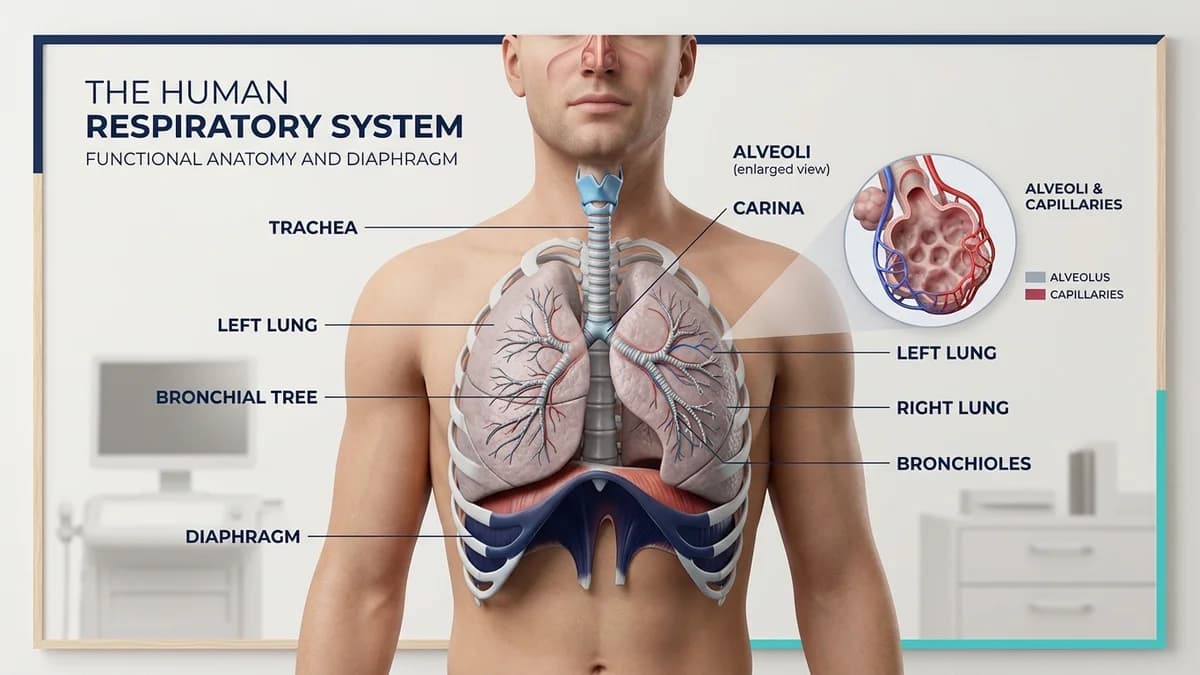
Simultaneously, a rocking rocker or magnetic counterweight creates rhythmic pressure fluctuations at 10 to 30 Hz, matching the natural resonant frequency of the human tracheobronchial tree. These mechanical vibrations decrease mucus viscoelasticity, shearing sputum plugs from bronchial walls into central airways.
Comparing Common OPEP Devices: Flutter, Acapella and Aerobika
Selecting the appropriate OPEP device depends on patient cognitive ability, physical posture, and peak expiratory flow capability.
| Device Name | Internal Mechanism | Position Dependency | Clinical Recommendation | |
|---|---|---|---|---|
| 1. Flutter Valve | High-density stainless steel ball in a conical cone | Strictly position-dependent; must hold at precise angle | Ambulatory patients with good hand dexterity and high expiratory flow. | |
| 2. Acapella (Choice/DH) | Rocker bar with magnetic counterweight | Position-independent; works supine, seated, or side-lying | Bedridden post-surgical patients, children, and low-flow populations. | |
| 3. Aerobika | Pressure-oscillation cartridge with resistance dial | Position-independent; can connect inline to nebulizers | Simultaneous aerosol drug delivery with active airway clearance. |
Clinical Protocol for Effective OPEP Therapy
To achieve optimal airway clearance, the patient must execute structured cycles of oscillation followed by forced expiratory maneuvers.
- Step 1: Patient Posture and Seal: Sit upright with elbows supported on a table. Place the mouthpiece firmly between the lips, ensuring no air leaks around the mouth corners.
- Step 2: Smooth Inhalation and Breath Hold: Inhale slightly deeper than normal through the nose, holding the breath for 2 to 3 seconds at peak inspiration.
- Step 3: Controlled Exhalation Through Device: Exhale actively but smoothly through the device for 3 to 4 seconds, feeling a distinct fluttering vibration deep inside the chest wall.
- Step 4: The 10-Breath Cycle and Evacuation: Perform 10 to 12 consecutive OPEP breaths, followed by 2 forced expiratory huffs to expectorate mobilized secretions. Repeat for 3 to 4 cycles (15 to 20 minutes total).
Device Hygiene and Disinfection in Indian Climates
Warm, humid Indian environments favor rapid fungal and Pseudomonas colonization inside OPEP chambers if devices are washed casually with plain tap water.
Physiotherapists instruct patients to disassemble the device daily, wash with mild detergent, and boil in clean water or soak in medical-grade disinfectant weekly, followed by thorough air drying.
Frequently Asked Questions
Can an OPEP device trigger a pneumothorax?
In patients with known large bullous emphysema or recent pneumothorax, excessive positive expiratory pressures could theoretically risk alveolar rupture. OPEP is used under clinical supervision with resistance dials set to low initial pressures.
How often should an OPEP device be used each day?
In chronic bronchiectasis, once in the morning and once in the evening for 15 to 20 minutes is recommended. During chest infections with heavy sputum production, use can be increased to 3 to 4 sessions daily.
Can children use an Acapella device?
Yes. Children from age 4 or 5 can successfully use the Acapella Green (high flow) or Acapella Blue (low flow) devices because they are position-independent and fun to blow into.
Related condition guides


Related recovery guides & articles
BookPhysio.in Editorial Team
The BookPhysio.in editorial team writes and maintains this content, checking it against reliable clinical sources. Content follows our medical review policy: general information only, and no page claims a clinical review until a named registered physiotherapist has signed it off.
Read our medical review policy