
Cystic Fibrosis in Children: Airway Clearance, Oscillating PEP and Aerobic Training
In short
Cystic fibrosis produces thick, inspissated pulmonary secretions. Learn age-specific airway clearance techniques, oscillating PEP devices, and exercise therapy.

In this guide (4 sections)
Pathophysiology of Cystic Fibrosis Lung Disease
Cystic Fibrosis (CF) is an autosomal recessive genetic disorder caused by mutations in the cystic fibrosis transmembrane conductance regulator (CFTR) gene. Defective epithelial chloride and bicarbonate transport leads to dehydrated, viscous mucus secretions that clog bronchial airways.
Chronic mucus retention triggers recurrent endobronchial infections (Pseudomonas aeruginosa, Staphylococcus aureus), severe airway inflammation, bronchiectasis, and progressive respiratory decline. Daily airway clearance therapy (ACT) is essential for survival.
Developmental Progression of Airway Clearance Techniques
Airway clearance techniques must evolve with the child cognitive and physical maturation.
| Child Age Group | Primary Clearance Modality | Device / Technique Used | Clinical Rationale | |
|---|---|---|---|---|
| Infants (0 to 12 months) | Modified Postural Drainage and Percussion | Gentle cupped hand percussion in flat/horizontal positions. | Gravity unloads secretions; avoiding head-down tilt prevents gastroesophageal reflux. | |
| Toddlers (1 to 4 years) | Bubble PEP and Therapeutic Play | Blowing bubbles through straw into water with dish soap. | Generates 10-15 cmH2O positive expiratory pressure through play. | |
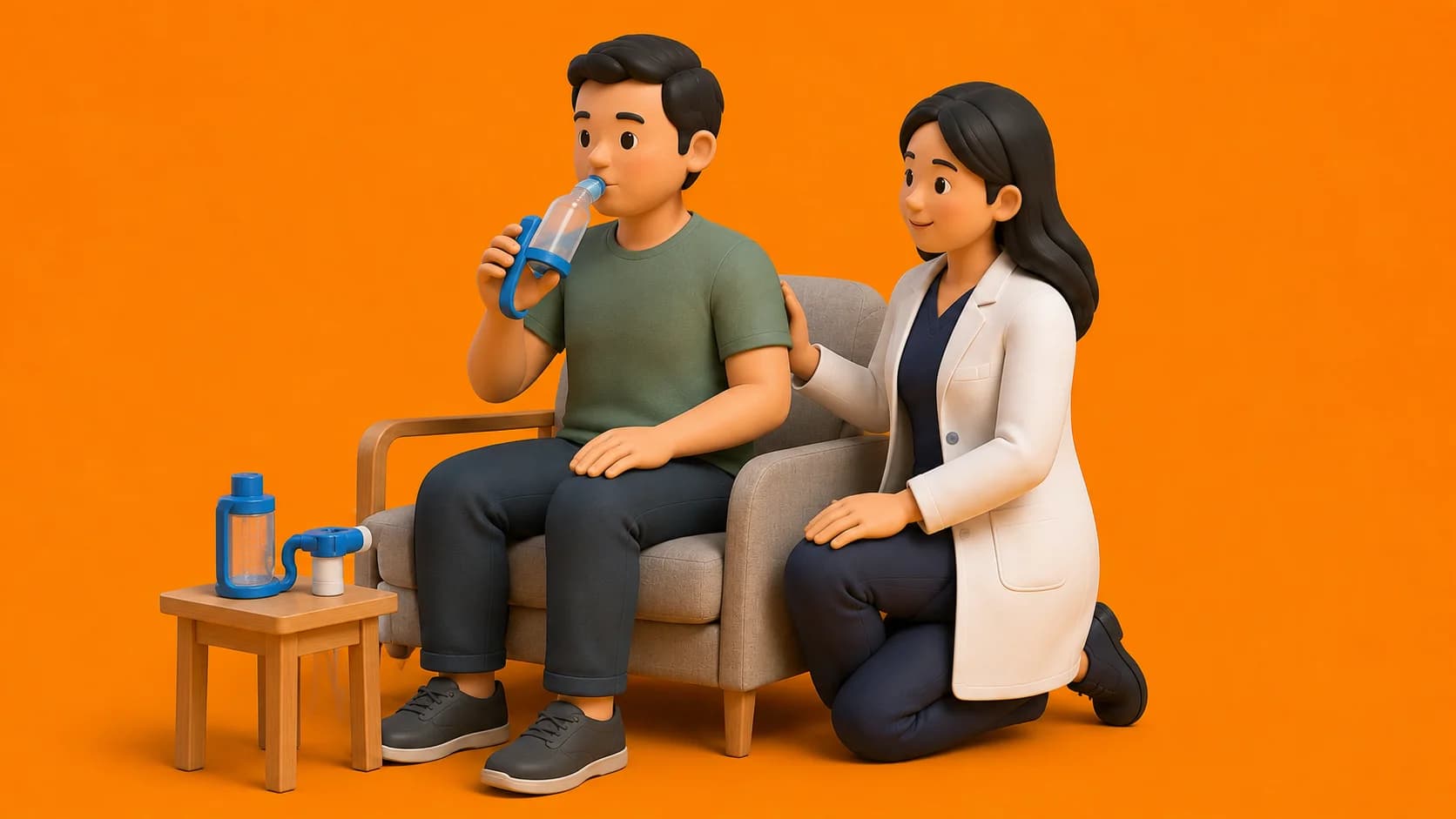
| Children (5 to 12 years) | Oscillating Positive Expiratory Pressure (O-PEP) | Acapella, Flutter, or Aerobika devices. | Vibratory oscillations shear sticky mucus off airway walls. | |
| Adolescents (12+ years) | Autogenic Drainage and Active Cycle (ACBT) | Self-regulated breathing at low, medium, and high lung volumes. | Independent clearance avoiding coughing paroxysms. |
Exercise as an Essential Mucociliary Clearance Modality
Regular physical exercise is now recognized as a potent adjunct to formal airway clearance. Dynamic aerobic exercise increases tidal volume, induces bronchodilation, enhances mucociliary transport velocity, and stimulates coughing.
- Trampoline Jumping and Active Play: Vertical bouncing produces rapid acceleration-deceleration shearing forces across the bronchial tree, dislodging peripheral mucus plugs.
- Swimming and Water Sports: Swimming provides humidified air inhalation that moistens secretions while conditioning intercostal and diaphragmatic endurance.
- Infection Control Isolation Rules: Children with CF must maintain at least 2 metres physical distance from other CF patients and never share therapeutic breathing devices to prevent cross-infection with Burkholderia cepacia.
Frequently Asked Questions
Why is traditional head-down postural drainage contraindicated in infants?
Head-down tipping significantly increases gastroesophageal reflux (GERD), leading to micro-aspiration of acidic gastric contents and accelerating lung damage.
What is the correct sequence of inhalation therapies and chest physiotherapy?
The standard sequence: 1) Inhaled bronchodilator (salbutamol); 2) Mucolytics (hypertonic saline or Pulmozyme); 3) Airway clearance therapy; 4) Inhaled antibiotics (tobramycin).
How do CFTR modulators (Trikafta) affect physiotherapy needs?
CFTR modulators thin mucus and improve lung function significantly, but airway clearance and aerobic exercise remain essential to clear historical bronchiectatic secretions.
Related condition guides

Related recovery guides & articles
BookPhysio.in Editorial Team
The BookPhysio.in editorial team writes and maintains this content, checking it against reliable clinical sources. Content follows our medical review policy: general information only, and no page claims a clinical review until a named registered physiotherapist has signed it off.
Read our medical review policy