
Do you need an MRI or X-ray before physiotherapy?
In short
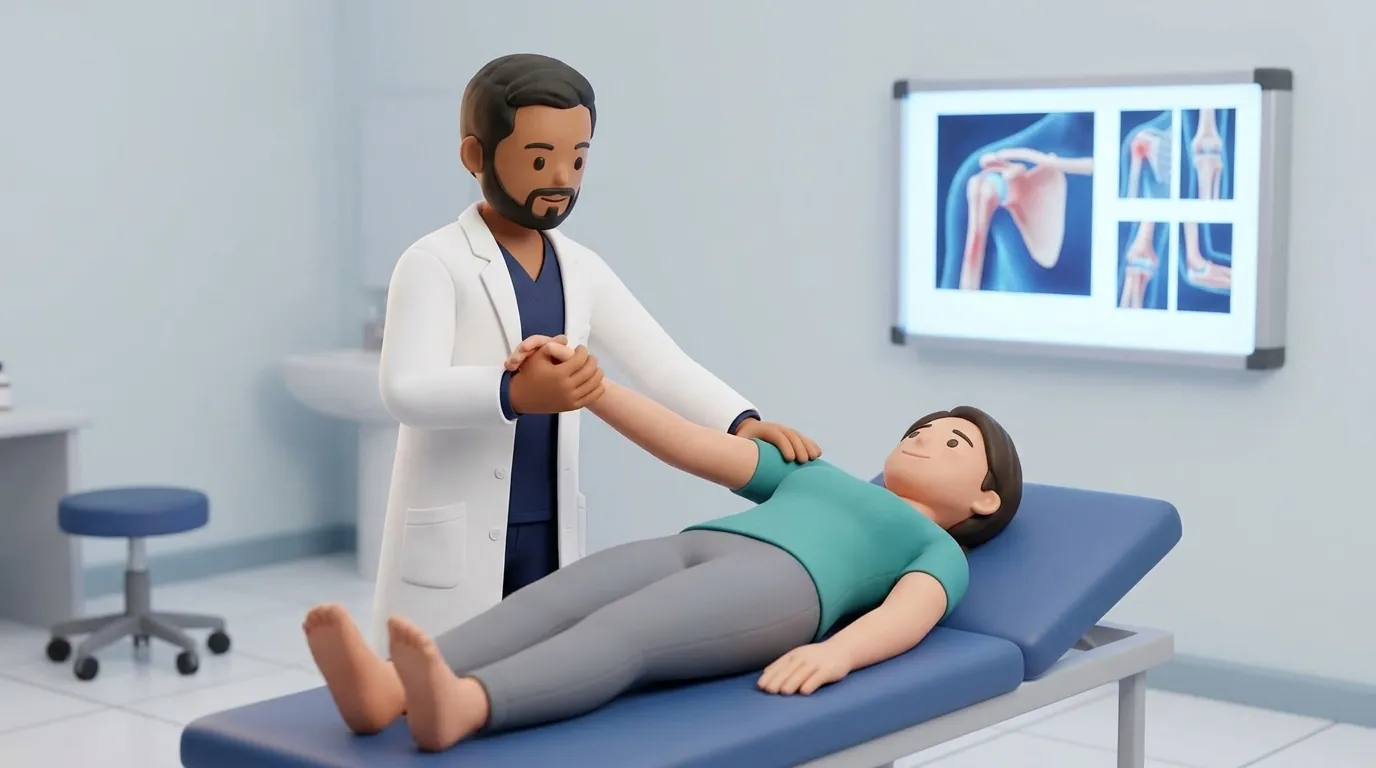
No, you do not automatically need an MRI or X-ray before seeing a physiotherapist. Many musculoskeletal problems can be assessed clinically first. Imaging is more useful when a clinician suspects a condition that needs it or when the result is likely to change management.
In this guide (7 sections)
No, you do not automatically need an MRI or X-ray before seeing a physiotherapist. Many musculoskeletal problems can be assessed clinically first. Imaging is more useful when a clinician suspects a condition that needs it or when the result is likely to change management.
A scan can feel like the most certain way to understand pain. But an image is not automatically necessary, and findings on scans do not always explain symptoms. Good care uses imaging when it answers a relevant clinical question.
What current low-back-pain guidance says
NICE recommends that imaging should not routinely be offered in a non-specialist setting for low back pain with or without sciatica. Specialist imaging should be considered when the result is likely to change management.
That principle does not mean imaging is never important. It means the test should have a reason.
When imaging may become more important
A significant injury, suspected fracture, suspected bone stress injury, major neurological features, concern about serious disease, surgical planning, or an unclear presentation may justify imaging or specialist assessment depending on the situation. The appropriate clinician should choose the test and timing.
Can a physiotherapist order or request an MRI or X-ray in India?
In India, registered physiotherapists evaluate musculoskeletal conditions clinically and can write referral requests or recommendations for diagnostic imaging (such as plain radiographs or MRI) when clinically indicated, or refer you to an orthopaedic surgeon. However, for medical insurance reimbursement, insurers in India typically require an MBBS or specialist physician’s prescription.
Bring scans you already have, but do not let the report replace the assessment
If you already have an X-ray, MRI, CT report, or surgical imaging, take it with you when relevant. A physiotherapist can consider the findings alongside your history and function. Do not assume every finding is the cause of pain or that a normal scan means symptoms are not real.
Do not self-order repeated scans just to track recovery
Imaging has costs and limitations. Repeating a scan should answer a clinical question, not simply provide reassurance. Ask the treating clinician whether a new scan would actually change the plan.
For an emergency, call 112 or go to the nearest hospital.
General guidance. Check with a physiotherapist for your situation.
Frequently asked questions
Can a physiotherapist request an MRI or X-ray in India?
Yes. Registered physiotherapists can recommend or refer for diagnostic imaging when red flags or specific clinical indications exist. For cashless insurance claims, insurers in India typically require an MBBS doctor prescription.
Can a physiotherapist treat me without an MRI?
Often, yes. Whether imaging is needed depends on the presentation and clinical question.
Does an X-ray show muscles and ligaments?
Different imaging modalities show different tissues and answer different questions. The relevant clinician should choose the appropriate test when needed.
What if my MRI shows a disc bulge?
Imaging findings need clinical context. A scan finding alone does not establish how much it contributes to symptoms.
Should a fast bowler with focal back pain be treated like ordinary back pain?
Not automatically. Suspected lumbar bone stress injury in a young fast bowler is a distinct clinical question and may require sports-medicine assessment and imaging.
If symptoms change fast, follow a major injury, or need urgent care, take the medical route rather than working from search results.
What to expect at a first sessionEvidence reviewed 20 August 2026. General information only.
Find a physiotherapist near you on BookPhysio.in.
Find a physiotherapistSources reviewed
NICE: Low back pain and sciatica in over 16s (opens in new tab) · Review: Management of lumbar bone stress injuries in cricket fast bowlers (opens in new tab)
Related condition guides

BookPhysio.in Editorial Team
The BookPhysio.in editorial team writes and maintains this content, checking it against reliable clinical sources. Content follows our medical review policy: general information only, and no page claims a clinical review until a named registered physiotherapist has signed it off.
Read our medical review policy