
Endometriosis & Chronic Pelvic Pain: Central Sensitization, Visceral Mobilization & PNE
In short
Endometriosis is more than severe period cramps; it involves chronic nerve upregulation, pelvic floor guarding, and tissue adhesions. Learn how targeted physiotherapy provides lasting relief.
In this guide (5 sections)
Endometriosis: Pathophysiology and Pain Mechanisms
Endometriosis is a systemic inflammatory disease characterized by the presence of endometrial-like stroma and glands outside the uterine cavity, commonly located on the ovaries, uterosacral ligaments, pouch of Douglas, and bowel.
While cyclical bleeding from these ectopic lesions triggers local nociception and inflammatory prostaglandins, pain severity frequently fails to correlate with laparoscopic disease staging. Many women suffer from profound secondary central sensitization, where repetitive nociceptive barrage over years hypersensitizes the dorsal horn of the spinal cord and cortical pain pathways.
The Triad of Secondary Pelvic Dysfunction
Chronic visceral inflammation leads to three widespread secondary musculoskeletal drivers that physiotherapy directly treats: pelvic floor hypertonicity, neural tensioning, and visceral fascial adhesions.
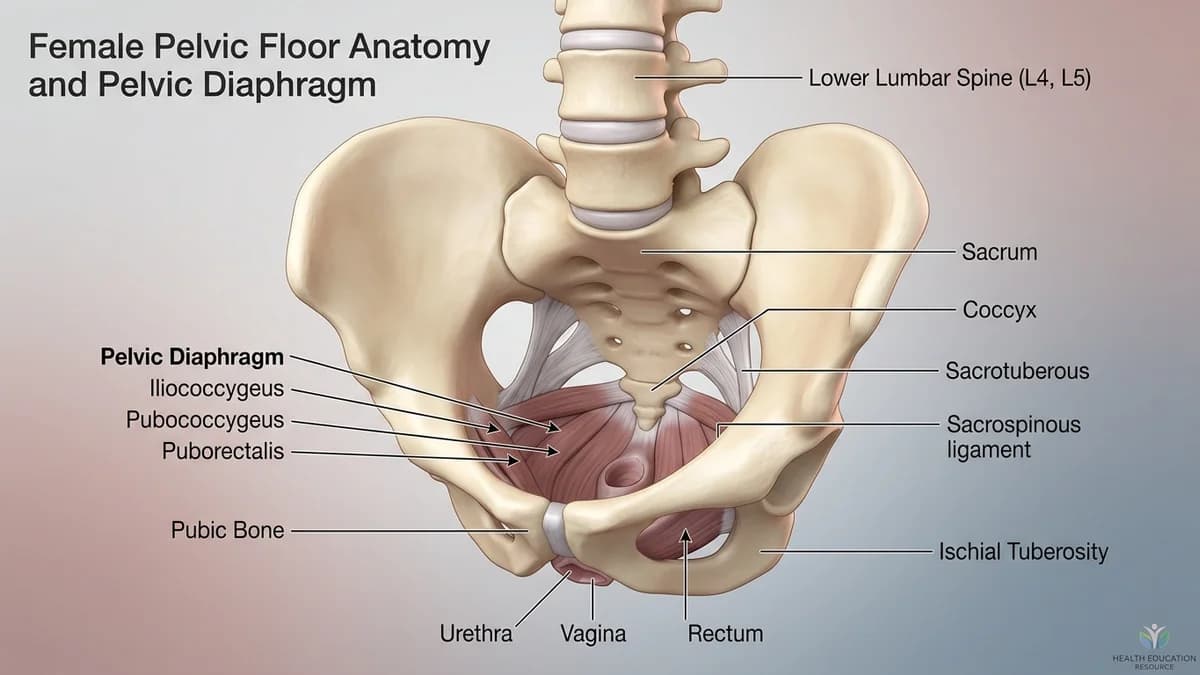
In response to deep inflammatory pain, the levator ani and abdominal wall contract reflexively in a permanent protective splinting posture. Over time, these muscles develop ischemic myofascial trigger points that refer persistent burning pain into the groin, lower back, and thighs.
| Clinical Target | Physiological Issue | Physiotherapy Modality | Functional Outcome | |
|---|---|---|---|---|
| Pelvic Floor Muscles | Chronic hypertonicity, spasm, dyspareunia | Internal myofascial trigger point release | Restores pelvic floor compliance and pain-free intimacy | |
| Visceral Fascia | Adhesions between uterus, bladder, and bowel | Gentle visceral mobilization and glide | Improves organ mobility and relieves bowel/bladder pain | |
| Nervous System | Central sensitization, allodynia, hyperalgesia | Pain Neuroscience Education (PNE) & TENS | Downregulates autonomic threat response and spinal excitability | |
| Abdominal Wall | Surgical laparoscopy scars, fascial tethering | Scar tissue mobilization and skin rolling | Restores trunk extension and comfortable posture |
Visceral Mobilization and Somatic Downregulation
Visceral mobilization utilizes gentle, external manual techniques applied to the abdominal wall to encourage mobility and micro-sliding between the pelvic organs, broad ligament, and abdominal peritoneum.
Combined with diaphragmatic breathing and vagus nerve stimulation exercises, visceral therapy stimulates the parasympathetic nervous system, easing abdominal bloating ('endo belly') and visceral hypersensitivity.
- Transcutaneous Electrical Nerve Stimulation (TENS): High-frequency TENS applied over the lower abdomen (T10-L1) and sacrum (S2-S4) activates the gate control mechanism, blocking nociceptive input during flare-ups.
- Gentle Hip and Spinal Mobility: Gentle cat-cow stretches, thoracic rotations, and butterfly hip openers maintain spinal mobility without triggering abdominal spasm.
- Graded Exposure to Movement: Re-introducing paced cardiovascular exercise (walking, swimming) reduces systemic circulating inflammatory cytokines.
Pain Neuroscience Education (PNE)
Understanding that persistent pelvic pain reflects an overprotective nervous system rather than ongoing acute tissue destruction is empowering. PNE helps patients reframe pain sensations, dampening autonomic fear-avoidance cycles and accelerating recovery.
Frequently Asked Questions
Can physiotherapy remove endometriosis lesions?
Physiotherapy cannot eliminate active microscopic endometrial lesions, which require medical or surgical management. However, it effectively treats the resulting muscle spasms, nerve hypersensitivity, and scar adhesions that cause up to 70 percent of daily pain.
Why does my lower back and hip hurt so badly with endometriosis?
The uterosacral ligaments connect the uterus to the sacrum. Inflammatory pain in these ligaments refers directly into the lower back, while reflexive spasm of the piriformis and obturator internus causes severe hip aching.
When is the best time to start physiotherapy after endometriosis laparoscopy?
Gentle breathing and walking begin immediately. Gentle scar mobilization and pelvic floor down-training typically begin 4 to 6 weeks post-surgery once surgical wounds are fully healed.
Related condition guides


Related recovery guides & articles
BookPhysio.in Editorial Team
The BookPhysio.in editorial team writes and maintains this content, checking it against reliable clinical sources. Content follows our medical review policy: general information only, and no page claims a clinical review until a named registered physiotherapist has signed it off.
Read our medical review policy