
Hypertonic Pelvic Floor: Down-Training, Reverse Kegels & Paradoxical Spasm Release
In short
A tight, hypertonic pelvic floor causes chronic pelvic pain, painful intercourse, and urinary hesitancy. Learn why standard Kegels worsen symptoms and how down-training restores tissue flexibility.
In this guide (5 sections)
The Paradox of the Overactive Pelvic Floor
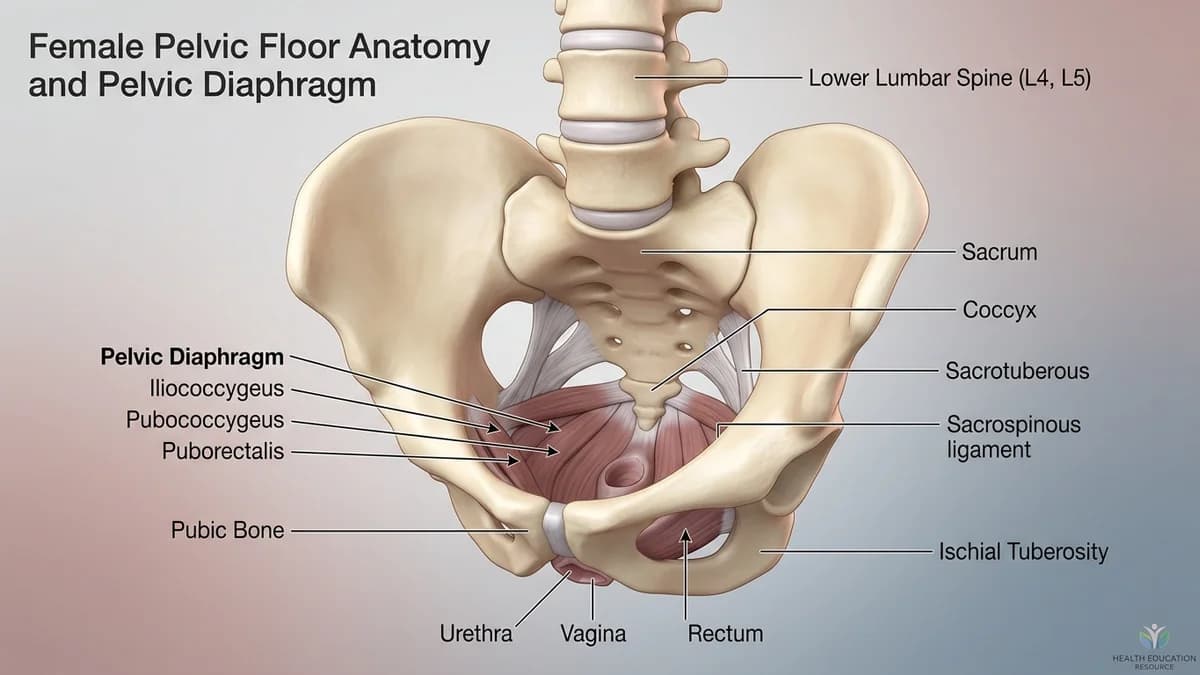
While popular fitness advice often assumes that all pelvic floor complaints require strengthening through Kegels, a significant proportion of women suffer from an overactive or hypertonic pelvic floor. In this condition, the levator ani and obturator internus muscles are locked in a chronic state of elevated baseline tone, spasm, and inability to lengthen.
Paradoxically, a tight muscle is a weak muscle. Constant contraction depletes cellular glycogen, causes localized ischaemia, leads to painful myofascial trigger points, and impairs both urinary and sexual function.
Clinical Presentation: Symptoms of Pelvic Hypertonicity
Patients with hypertonic pelvic floor dysfunction frequently present with a complex cluster of musculoskeletal and urological symptoms.
Common complaints include deep pelvic pain, dyspareunia (painful sexual intercourse), tailbone aching when sitting, urinary hesitancy or interrupted stream, and difficulty opening bowels without straining.
| Feature | Hypotonic Pelvic Floor | Hypertonic Pelvic Floor | |
|---|---|---|---|
| Resting Muscle Tone | Low, lax, decreased resistance | Excessively high, rigid, taut bands | |
| Primary Symptoms | Leakage with cough/sneeze (SUI), prolapse bulge | Pain with intercourse, pelvic aching, urinary hesitancy | |
| Vaginal Palpation | Soft, minimal resting tone, low lift force | Severe tenderness, active myofascial trigger points | |
| Initial Therapy | Strengthening and progressive loading | Down-training, myofascial release, diaphragmatic breathing | |
| Effect of Kegel Exercises | Improves structural support and continence | Aggravates pain, tightens spasms, increases burning |
Down-Training Techniques: The 'Reverse Kegel'
Down-training focuses on restoring resting muscle length, tissue elasticity, and neural down-regulation. The primary exercise is the 'Reverse Kegel' or pelvic floor drop.
Rather than squeezing or pulling inward, the patient visualizes opening, dropping, and widening the space between the sit bones, allowing the perineum to descend naturally with the diaphragm.
- Diaphragmatic Breath Coordination: Inhale deeply through the nose into the lower belly and pelvis; feel the pelvic floor gently expand and soften outward like a blooming flower.
- Happy Baby and Child's Pose: Gentle yoga-based restorative postures passively stretch the obturator internus and gluteal fascial connections to promote pelvic floor relaxation.
- Internal Myofascial Release: A specialized pelvic physiotherapist performs gentle manual release of taut trigger points within the puborectalis and iliococcygeus muscles.
Autonomic Downregulation and Pain Neuroscience
The pelvic floor is densely innervated by sympathetic nerve fibres and responds directly to emotional stress, anxiety, and central sensitization. Treatment incorporates nervous system calming strategies, progressive muscle relaxation, and vagal breathing to break the chronic pain-spasm cycle.
Frequently Asked Questions
Why did my pain get worse after doing Kegels?
If you have a hypertonic pelvic floor, performing Kegels forces already contracted, ischaemic muscles to tighten further, exacerbating spasms and nerve irritation. You must learn to relax the muscles first.
How do I know if my pelvic floor is too tight or too weak?
A definitive diagnosis requires an internal and external assessment by a specialized pelvic health physiotherapist who can palpate muscle tone, assess tenderness, and evaluate relaxation capacity.
Can tight pelvic floor muscles cause tailbone pain (coccydynia)?
Yes. The pubococcygeus and levator ani attach directly to the coccyx. Chronic spasm exerts a forward pulling force on the tailbone, causing persistent aching when sitting.
Related condition guides


Related recovery guides & articles
BookPhysio.in Editorial Team
The BookPhysio.in editorial team writes and maintains this content, checking it against reliable clinical sources. Content follows our medical review policy: general information only, and no page claims a clinical review until a named registered physiotherapist has signed it off.
Read our medical review policy