
MPT specializations list in India: 2026 curriculum rules and clinical branches
CredentialsIn short
The University Grants Commission (UGC) Gazette of India specifications and NCAHP curriculum frameworks define recognized Master of Physiotherapy (MPT) branches across India. Explore the 6 clinical disciplines, syllabus standards, and statutory clinic setup rights for BPT vs MPT.
In this guide (6 sections)
What are the recognized MPT specializations in India?
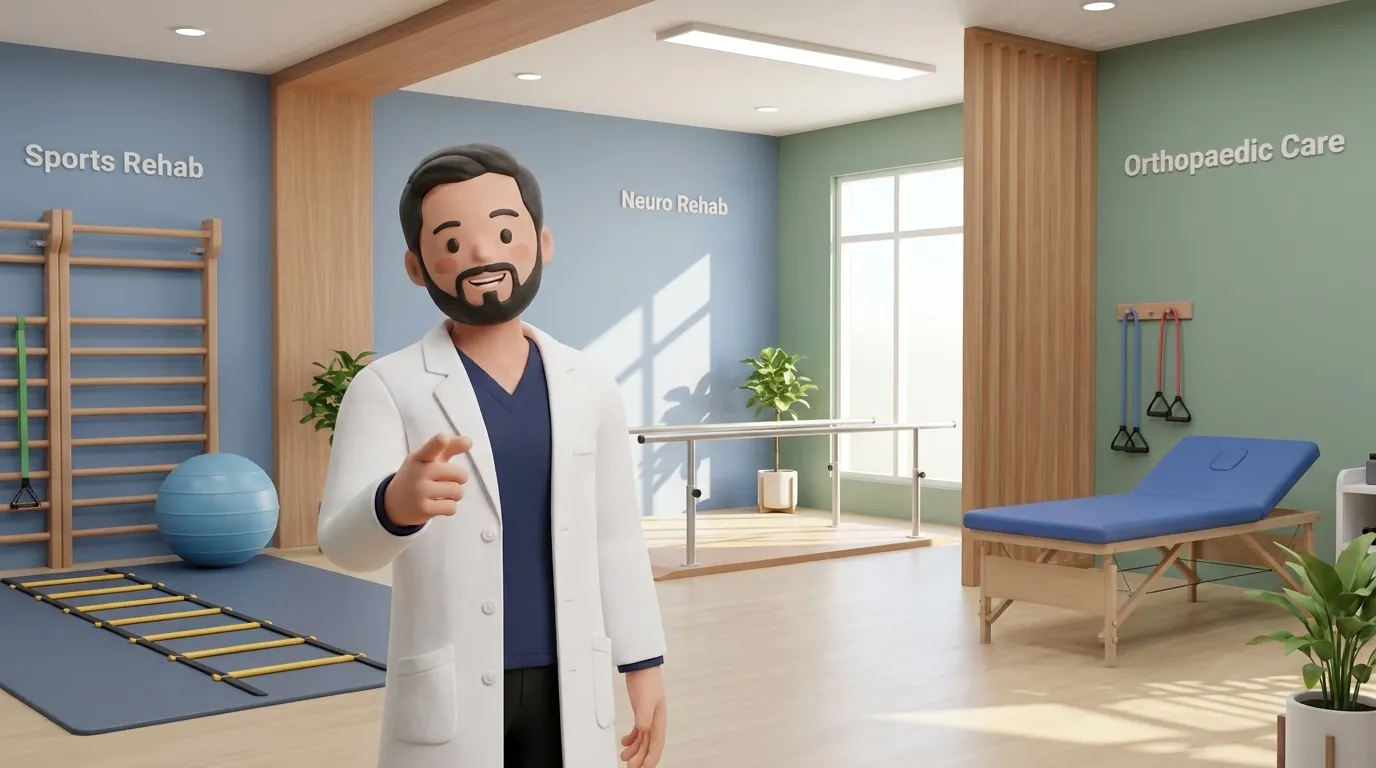
Under UGC Gazette notifications and NCAHP curriculum frameworks, India recognizes 6 core MPT specializations: Musculoskeletal (Orthopaedics), Neurosciences, Sports, Cardiorespiratory, Paediatrics, and Community-Based Rehabilitation. Qualified BPT practitioners have statutory autonomy to open private clinics without holding an MPT.
Postgraduate physiotherapy education in India has evolved rapidly following the enactment of the National Commission for Allied and Healthcare Professions (NCAHP) Act 2021 and the University Grants Commission (UGC) degree specification notifications. Generic master’s degrees without defined clinical competencies have been replaced by structured two-year postgraduate curricula focusing on specialized clinical practice, biomechanics, and research methodology.
Whether you are a patient seeking a specialist or a physiotherapist planning your career pathway, understanding how MPT specializations are structured under Indian regulatory guidelines is essential.
The 6 recognized MPT specializations in India (2026)
| Specialization Branch | Clinical Focus | Common Patient Conditions Treated |
|---|---|---|
| 1. Musculoskeletal / Orthopaedics (MPT Musculoskeletal) | Spine disorders, degenerative joint diseases, post-surgical joint replacement rehabilitation, fractures, and biomechanical dysfunctions. | Sciatica, lumbar disc herniation, cervical spondylosis, knee osteoarthritis, and frozen shoulder. |
| 2. Neurological & Psychosomatic (MPT Neurosciences) | Central and peripheral nervous system rehabilitation, neuroplasticity retraining, balance, and gait re-education. | Ischemic and hemorrhagic stroke, Parkinson’s disease, spinal cord injury, Bell’s palsy, and balance disorders. |
| 3. Sports Physiotherapy (MPT Sports) | Athletic performance analysis, acute on-field sports injury management, biomechanical screening, and return-to-sport testing. | ACL tears, meniscus injuries, rotator cuff strains, ankle sprains, hamstring tears, and tennis elbow. |
| 4. Cardiorespiratory & Pulmonary (MPT Cardio) | Intensive care unit (ICU) chest physiotherapy, pulmonary rehabilitation, airway clearance techniques, and cardiac conditioning. | Post-CABG surgery, COPD, bronchiectasis, asthma, and post-COVID pulmonary fibrosis recovery. |
| 5. Paediatric Physiotherapy (MPT Paediatrics) | Developmental milestones screening, neurodevelopmental therapy (NDT), sensory integration, and congenital orthopaedic care. | Cerebral palsy, torticollis, developmental coordination disorder, clubfoot, and muscular dystrophies. |
| 6. Community Rehabilitation (MPT Community) | Geriatric rehabilitation, occupational ergonomics, women’s pelvic floor health, and community-based disability management. | Age-related deconditioning, fall prevention, diastasis recti, urinary incontinence, and workplace RSI. |
Can a BPT graduate open a physiotherapy clinic without an MPT?
Yes. Under the NCAHP Act 2021 and existing State Allied and Healthcare Council acts across India, a Bachelor of Physiotherapy (BPT) graduate is legally recognized as an autonomous healthcare professional. An MPT degree is not legally required to open, own, or operate an independent private physiotherapy clinic.
- Statutory autonomy: Section 2(d) and related schedules of the NCAHP Act recognize qualified physiotherapists as primary-contact practitioners who can assess, diagnose movement dysfunction, and prescribe rehabilitation plans independently.
- Council registration requirement: Independent clinical practice requires valid registration with the relevant State Allied and Healthcare Council (or national NCAHP framework where operational). Holding statutory registration is the legal prerequisite, not an MPT.
- What MPT adds: While not required for general clinic operation, an MPT provides advanced sub-specialty clinical expertise, tertiary hospital departmental leadership, eligibility for university faculty appointments, and focused referral credibility.
Claim your specialized profile on BookPhysio.in
Whether you hold a BPT or an advanced MPT in Orthopaedics, Neuro, or Sports, BookPhysio.in connects registered practitioners directly with local patients needing clinic appointments and home-visit rehabilitation. The platform charges zero commission, charges no listing fees, and ensures patients pay you directly for every session.
Are you a qualified BPT or MPT clinician? Build your verified practitioner profile on BookPhysio.in to receive direct patient booking inquiries in your locality.
Register as a Physiotherapist →Frequently asked questions
What is the course duration of MPT in India?
MPT is a 2-year full-time postgraduate degree program spanning 4 academic semesters, completed after a 4.5-year BPT degree including a mandatory 6-month clinical internship.
Is MPT recognized by the University Grants Commission (UGC)?
Yes. Master of Physiotherapy (MPT) is specified under Section 22 of the UGC Act 1956 in the Gazette of India degree specifications, recognized alongside the NCAHP regulatory framework.
Can an MPT physiotherapist perform surgery or prescribe allopathic medicines?
No. Physiotherapists are non-pharmacological, physical movement and rehabilitation specialists. In India, prescribing Schedule H/X allopathic pharmaceuticals and performing invasive surgical procedures remain within the statutory domain of MBBS medical doctors registered with the National Medical Commission (NMC).
Which MPT specialization has the highest demand in India?
Musculoskeletal (Orthopaedic) and Neurological physiotherapy see the highest patient case volumes in India, particularly for spinal pain, post-joint replacement rehabilitation, and home-based stroke recovery.
Evidence reviewed 20 September 2026. General information only. BookPhysio.in is a booking platform, not a clinic.
Sources reviewed
University Grants Commission (UGC) Gazette of India Degree Specifications; National Commission for Allied and Healthcare Professions (NCAHP) Act 2021; Ministry of Health and Family Welfare (MoHFW) Model Curriculum for Physiotherapy.
Related condition guides

BookPhysio.in Editorial Team
Editorial Team
The BookPhysio.in editorial team writes and maintains this content, checking it against reliable clinical sources. Content follows our medical review policy: general information only, and no page claims a clinical review until a named registered physiotherapist has signed it off.
Read our medical review policy