
Physiotherapy for Ankylosing Spondylitis
Quick answer
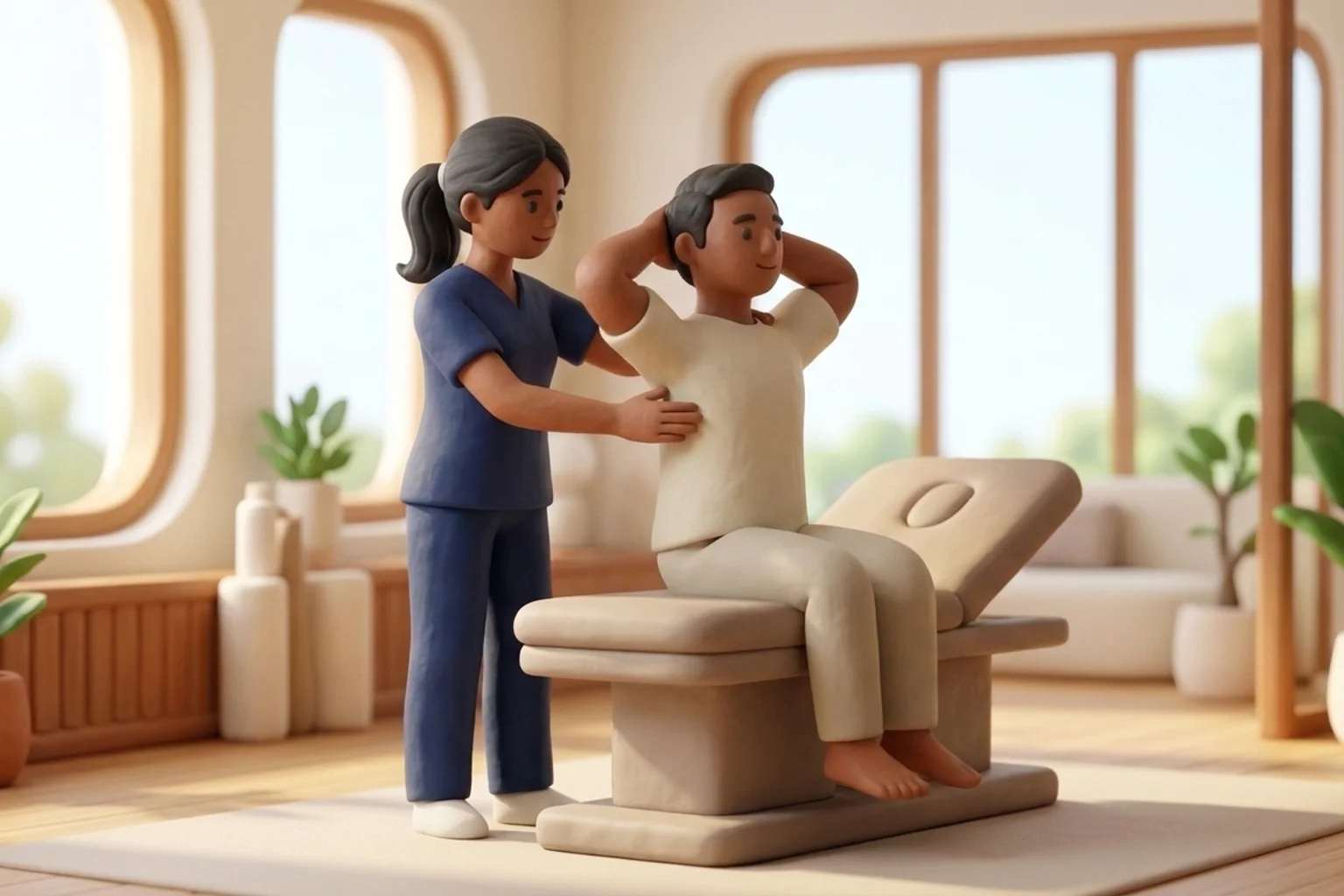
Physiotherapy is an essential cornerstone of management for ankylosing spondylitis alongside medical care. A skilled physiotherapist designs tailored spinal extension, chest expansion, and postural mobility routines that preserve spinal flexibility, relieve morning stiffness, and prevent progressive postural fusion.
- Morning stiffness eases with movement not rest
- Inflammatory spine condition in young adults
- Preserves spinal posture and chest mobility
- Daily movement is vital alongside medical care
- Extension exercises counter kyphotic curvature
What is ankylosing spondylitis?
Ankylosing spondylitis (axial spondyloarthritis) is a chronic inflammatory rheumatic disease that primarily affects the sacroiliac joints, spine, and entheses. In young adults in India, it frequently presents as persistent lower back and buttock pain with prolonged morning stiffness lasting over thirty minutes that improves with movement rather than rest. Long-term inflammation can lead to progressive spinal calcification and restricted thoracic cage expansion. While biologic or anti-inflammatory medications manage systemic inflammation, daily physiotherapy is critical to maintain spinal posture, thoracic lung expansion capacity, peripheral joint mobility, and overall cardiovascular endurance.

Orthopaedic Physiotherapy
Ankylosing Spondylitis is assessed and treated under Orthopaedic physiotherapy (bones & joints). Bones, joints, muscles, and ligaments. Back pain, fractures, and post-surgery recovery.
How physiotherapy helps
- Thoracic extension and rotational mobility
- Deep diaphragmatic and chest expansion drills
- Postural retraining against forward stoop
- Hip flexor stretching and gluteal activation
- Low-impact aerobic conditioning programmes
Common signs
- Persistent lower back and buttock pain that is worse in the second half of the night and early morning
- Morning spinal stiffness lasting greater than 30 minutes that eases with warm showers and walking
- Pain that improves with active exercise but worsens with prolonged sitting, lying, or bed rest
- Gradual reduction in spinal flexibility, neck rotation, or chest expansion during deep breathing
- Pain and tenderness at tendon insertions such as the Achilles tendon or the bottom of the heel
In-clinic vs home visit physiotherapy
| What to compare | In-clinic | Home visit |
|---|---|---|
| Typical fee | ₹300 to ₹1,500 a session. It depends on your city. | ₹400 to ₹2,000 a session. It depends on your city. |
| Exact fee | Set by each physiotherapist and shown on their profile | Set separately for home visits and shown on their profile |
| Best for | Equipment-based rehab and first assessments | Limited mobility, post-surgery, and elderly care |
| Equipment | Full clinic setup | Portable equipment the physiotherapist brings |
| Travel | You travel to the clinic | The physiotherapist comes to you |
| Booking | Pick a clinic slot on search | Filter by home visit on search |
Clinical rehabilitation framework
Evidence-informed clinical progression and starter exercise targets for ankylosing spondylitis.
Clinical progression criteria & key observations
- Inflammatory back pain features (age under 40 at onset, gradual onset, improves with exercise, morning stiffness over 30 minutes, night pain) are the key screening pattern that should prompt considering AS over mechanical back pain
- A minor fall or twist in longstanding, stiffened AS spine can cause a genuine fracture even with modest force: treat new severe pain after any trauma seriously, not as a routine flare
Starter exercise targets & evidence-based dosage
When to seek urgent care
Physiotherapy is safe for most people. See a doctor urgently if you have any of these.
- Sudden red, painful eye with blurred vision or light sensitivity, which may signal acute anterior uveitis
- Sudden sharp increase in spinal pain following even minor trauma, requiring urgent fracture exclusion
- New numbness, tingling, or progressive muscle weakness in the arms, legs, or trunk
- New shortness of breath, unexplained chest tightness, or systemic fever
Seek urgent medical care first. Physiotherapy comes after, when it is safe.
Frequently asked questions
How often should I do physiotherapy for ankylosing spondylitis?
Can I get physiotherapy for ankylosing spondylitis at home?
Can physiotherapy prevent spinal fusion in ankylosing spondylitis?
How much does physiotherapy for ankylosing spondylitis cost in India?
Related conditions & care



Clinical guides & articles for ankylosing spondylitis
Evidence-informed articles, recovery timelines, and home care advice from our clinical library.
Ankylosing Spondylitis: Axial Spondylitis, Postural Maintenance, and Physiotherapy in India
Ankylosing spondylitis threatens spinal flexibility and chest expansion. Discover how axial spondyloarthritis develops, why morning stiffness occurs, and targeted physio exercises.
Ankylosing Spondylitis: BASDAI Scoring, Chest Expansion, and Axial Extension Protocols
Ankylosing Spondylitis management hinges on tracking BASDAI disease activity and performing lifelong daily prone extension exercises to prevent bamboo spine ankylosis.
Ankylosing Spondylitis Axial Extension Routine: Preventing Bamboo Spine Progression
Ankylosing spondylitis drives progressive syndesmophyte bridging and rigid thoracic kyphosis. Learn evidence-based axial extension protocols, prone positioning routines, and domestic ergonomic adjustments to preserve upright spinal posture.
Floor Sitting Modifications in Ankylosing Spondylitis: Preserving Hip Extension
Traditional cross-legged floor sitting drives destructive pelvic posterior tilt and accelerates hip flexion contractures in ankylosing spondylitis. Master ergonomic sitting modifications, prone extension routines, and posture preservation.
Find a physiotherapist for ankylosing spondylitis
Compare physiotherapists by fee, experience, and availability. Clinic visits and home visits across India.
This page is for general education and booking guidance. It does not diagnose your condition or replace medical care.
If your symptoms are severe, sudden, or getting worse, seek urgent medical care first. The same applies with fever, chest pain, breathlessness, fainting, new weakness, loss of bladder or bowel control, or unexplained bleeding.
Always consult a qualified physiotherapist or doctor about your condition.