
Physiotherapy for Coccydynia
Quick answer
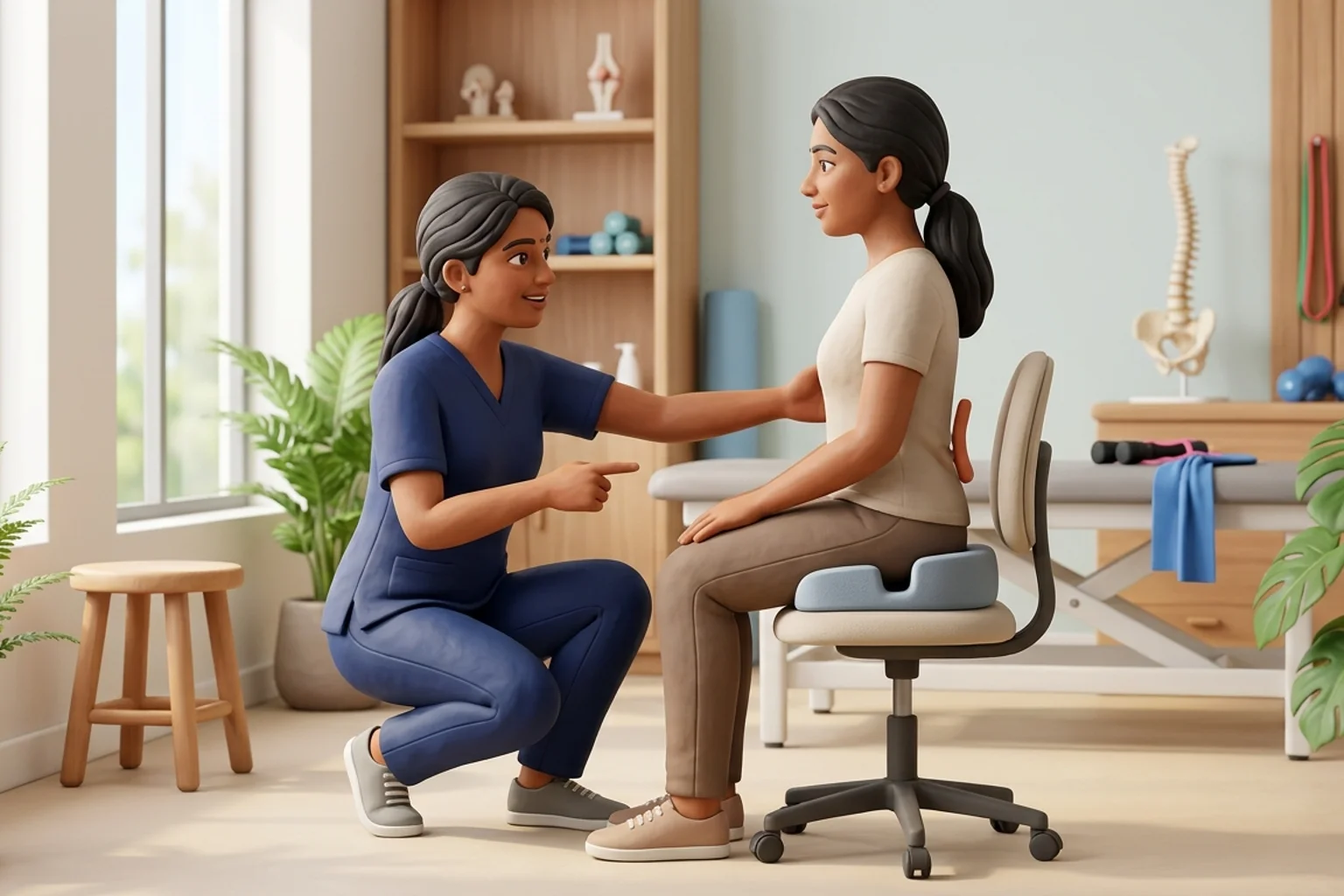
Physiotherapy provides highly effective relief for coccydynia and tailbone pain. A physiotherapist conducts external pelvic and spinal assessments, provides ergonomic seating modifications with wedge cushions, and uses gentle gluteal, piriformis, and pelvic floor muscle relaxation techniques to resolve pain.
- Sharp tailbone pain aggravated by sitting
- Common after slips, falls, or childbirth
- Offloading wedge cushion provides relief
- Pelvic floor relaxation eases coccyx pull
- Commuting on hard seats worsens inflammation
What is coccydynia?
Coccydynia refers to localized pain and tenderness in the coccyx (tailbone) at the base of the spine. In India, common triggers include falls directly onto the buttocks (such as slipping on wet tiled floors or stairs), prolonged commuting on two-wheelers or autorickshaws over uneven roads, prolonged sitting on hard wooden or plastic furniture, and postpartum pelvic strain following vaginal childbirth. Sitting places significant mechanical shear through the sacrococcygeal joint. Physiotherapy addresses coccydynia through seating biomechanics, specialized coccyx cushions that offload the tailbone, gentle mobilisations, piriformis stretching, pelvic floor down-training, and gluteal strengthening.
Orthopaedic Physiotherapy
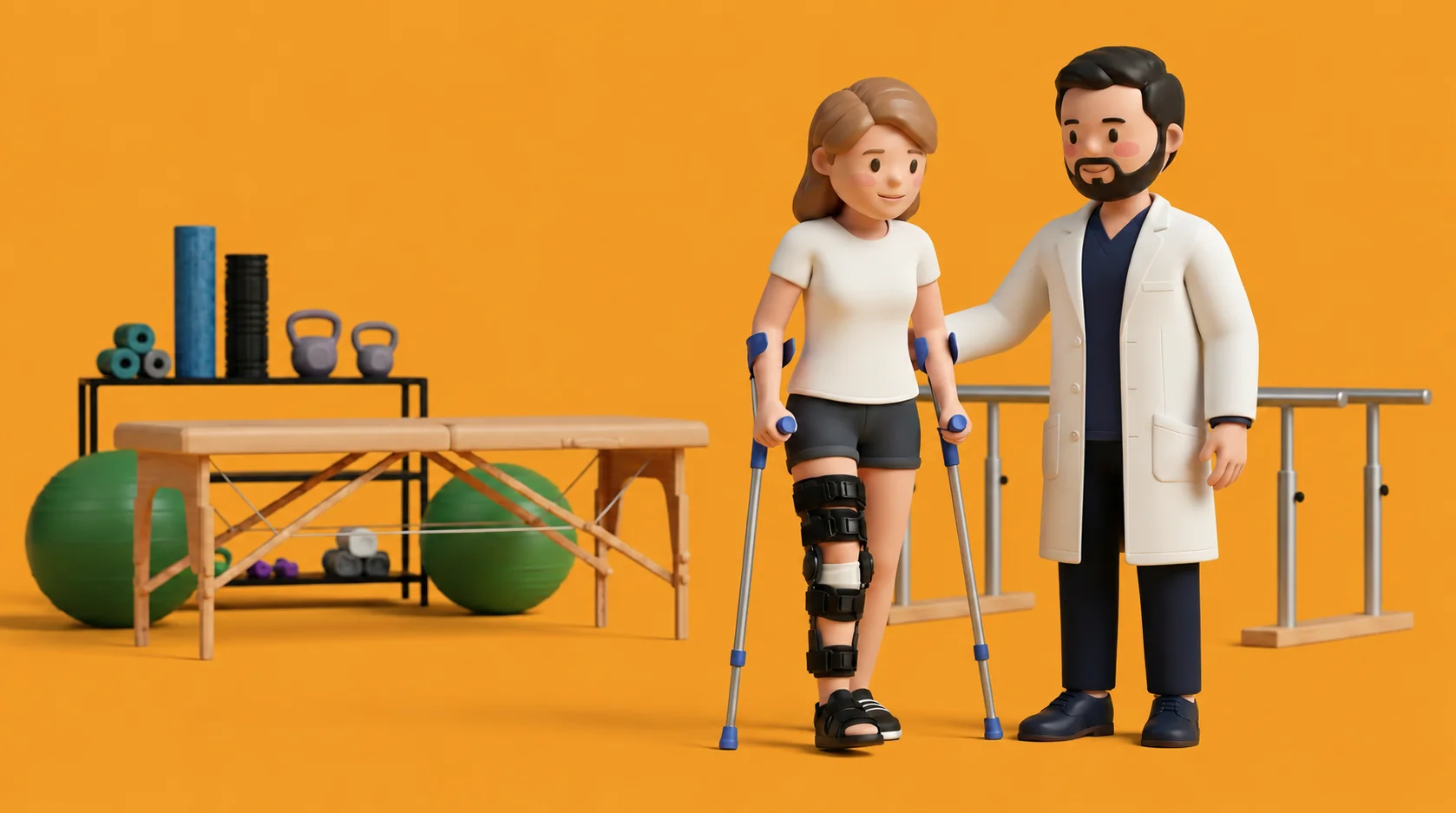
Coccydynia is assessed and treated under Orthopaedic physiotherapy (bones & joints). Bones, joints, muscles, and ligaments. Back pain, fractures, and post-surgery recovery.
How physiotherapy helps
- Coccyx cushion and seating posture guidance
- Piriformis and gluteal soft tissue release
- Pelvic floor down-training and relaxation
- Lumbar spine and sacroiliac mobilisation
- Core and pelvic stability exercise routine
Common signs
- Localized aching, throbbing, or sharp pain directly at the tailbone when seated, especially on hard chairs or unpadded stools
- Pain that intensifies when leaning backward while sitting, and eases slightly when leaning forward on the thighs
- A sharp ache when transitioning from sitting to a standing position
- Pain aggravated during bumpy vehicle rides, scooter travel, or prolonged car commutes
- Discomfort or pressure during bowel movements or prolonged floor sitting
In-clinic vs home visit physiotherapy
| What to compare | In-clinic | Home visit |
|---|---|---|
| Typical fee | ₹300 to ₹1,500 a session. It depends on your city. | ₹400 to ₹2,000 a session. It depends on your city. |
| Exact fee | Set by each physiotherapist and shown on their profile | Set separately for home visits and shown on their profile |
| Best for | Equipment-based rehab and first assessments | Limited mobility, post-surgery, and elderly care |
| Equipment | Full clinic setup | Portable equipment the physiotherapist brings |
| Travel | You travel to the clinic | The physiotherapist comes to you |
| Booking | Pick a clinic slot on search | Filter by home visit on search |
Clinical rehabilitation framework
Evidence-informed clinical progression and starter exercise targets for coccydynia.
Clinical progression criteria & key observations
- A wedge/donut cushion that offloads the coccyx directly (rather than a flat soft cushion) is the single most useful practical intervention most patients can start immediately
- Consider pelvic floor muscular tension as a contributing/maintaining factor in a case not settling with simple offloading: this often needs a pelvic-health-specific assessment beyond a general MSK exam
Starter exercise targets & evidence-based dosage
When to seek urgent care
Physiotherapy is safe for most people. See a doctor urgently if you have any of these.
- Severe tailbone pain following significant high-impact trauma with visible bruising or suspected fracture
- Unexplained weight loss, night pain, or a prior medical history of cancer, requiring spinal screening
- New onset of bowel or bladder incontinence or perineal numbness
- Local swelling, redness, fever, or drainage near the tailbone that could indicate a pilonidal abscess
Seek urgent medical care first. Physiotherapy comes after, when it is safe.
Frequently asked questions
How does a physiotherapist treat tailbone pain?
Can I get physiotherapy for coccydynia at home?
Do I need an X-ray or MRI for tailbone pain?
How much does physiotherapy for coccydynia cost in India?
Related conditions & care


Clinical guides & articles for coccydynia
Evidence-informed articles, recovery timelines, and home care advice from our clinical library.
Tailbone Pain (Coccydynia) from Long Office Sitting: Ergonomic Cushions and Pelvic Relief Protocol
Prolonged sitting on firm office chairs with poor pelvic alignment places intense localized pressure on the coccyx. Learn why donut cushions worsen tailbone pain, how U-cutout cushions offload the joint, and clinical pelvic floor release drills.
Tailbone Pain (Coccydynia): Physiotherapy Exercises, Sitting Ergonomics and Relief
Persistent tailbone pain makes sitting excruciating. Learn how specialized physiotherapy, pelvic floor relaxation, wedge cushion positioning, and targeted exercises relieve coccydynia without injections.
Coccydynia Post-Partum: Levator Ani Manual Release, Coccyx Wedge Cushions & Sitting Strategies
Sitting down or rising from a chair feels like being stabbed in the tailbone. Discover how specialized pelvic floor physiotherapy and coccyx offloading cushions resolve postpartum coccydynia.
Coccydynia: Tailbone Instability, Levator Ani Hypertonicity, and Wedge Cushion Offloading
Coccydynia arises from coccygeal instability and pelvic floor spasm; posterior cut-out wedge cushions outperform round donut pillows in eliminating tailbone pressure.
Find physiotherapists for coccydynia by city
Verified physiotherapists treat coccydynia in these cities. Home visit and in-clinic options vary by physiotherapist.
Find a physiotherapist for coccydynia
Compare physiotherapists by fee, experience, and availability. Clinic visits and home visits across India.
This page is for general education and booking guidance. It does not diagnose your condition or replace medical care.
If your symptoms are severe, sudden, or getting worse, seek urgent medical care first. The same applies with fever, chest pain, breathlessness, fainting, new weakness, loss of bladder or bowel control, or unexplained bleeding.
Always consult a qualified physiotherapist or doctor about your condition.