
Cervical Spine Neck Strain from Hair Washing and Overhead Household Postures: Physio Prevention in India
In short
Bending over low bathroom buckets to wash long hair or hyperextending at salon basins strains cervical discs. Discover safe neck biomechanics and physio exercises.
In this guide (5 sections)
In Indian households, personal grooming and domestic routines incorporate movement patterns that are uniquely demanding on the seven delicate vertebrae of the cervical spine. A quintessential example is the traditional ritual of washing long, thick oiled hair: performed either by bending forward double over a low bathroom water bucket or floor tap for 20 minutes, or by sitting in a salon chair with the neck sharply hyperextended backward over the unpadded rim of a porcelain shampoo sink.
Both postures represent mechanical extremes that place punishing tensile, compressive, and vascular stresses across the cervical spine. Combined with daily overhead household activities: such as hanging wet laundry on high outdoor clotheslines, wiping high kitchen tiles, or lifting heavy storage trunks onto high lofts: these routines frequently trigger acute cervical facet joint lock, occipital headaches, disc herniations, and dangerous vertebral artery compression ("Beauty Parlour Stroke Syndrome"). Clinical physiotherapy restores cervical biomechanics and safe domestic ergonomics.
1. Biomechanics: The Beauty Parlour Syndrome and Forward Flexion Shear
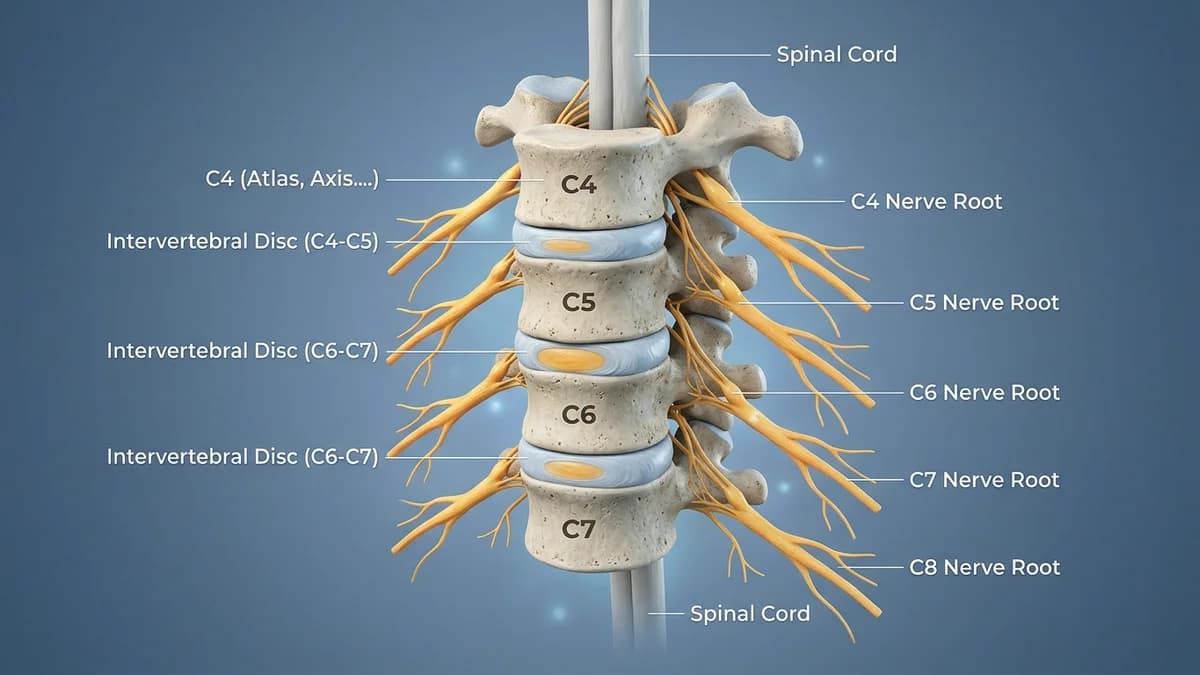
The cervical spine is an extraordinarily mobile kinematic chain designed to balance the 4.5 to 5.5 kilogram adult head through multi-planar arcs. However, its anatomical architecture leaves it vulnerable at the extremes of movement: particularly at the craniovertebral junction (C0-C2) and the lower cervical motion segments (C5-C6 and C6-C7).
When a person leans backward over a rigid salon washbasin, the neck is forced into extreme hyperextension (often exceeding 45 degrees) combined with rotation. This posture narrows the suboccipital space, compressing the greater occipital nerve and pinching cervical facet joints. More critically, the Vertebral Arteries: which wind through the foramen transversarium of the cervical vertebrae before entering the foramen magnum to supply the brainstem and cerebellum: are severely kinked and stretched against the posterior arch of the atlas (C1). In individuals with atherosclerosis, this sustained mechanical kinking can trigger transient vertebrobasilar insufficiency or arterial dissection: producing dizziness, nausea, slurred speech, or acute stroke.
Conversely, traditional forward bending over a low floor bucket creates extreme forward cervical shear. In 60 degrees of sustained flexion, the effective gravitational weight of the head multiplies to over 27 kilograms. The posterior cervical extensor muscles (splenius capitis, semispinalis, upper trapezius) contract intensely to prevent the head from falling forward, while anterior intradiscal pressures surge, forcing the nucleus pulposus posteriorly against the C5-C6 or C6-C7 nerve roots.
| Domestic / Grooming Posture | Cervical Kinematic Alignment | Neurovascular & Musculoskeletal Stress | Clinical Physiotherapy Modification |
|---|---|---|---|
| Bending Forward Over Low Bucket | Extreme sustained flexion (50 to 65 degrees) | Posterior disc shear; suboccipital tension; erector muscle creep | Wash hair standing under shower, or place bucket on waist-high stool |
| Salon Shampoo Basin Hyperextension | Extreme hyperextension (35 to 50 deg) + slight rotation | Kinks vertebral arteries; compresses greater occipital nerve | Place thick rolled towel under neck; limit backward extension to < 15 deg |
| Overhead Clothesline Hanging | Cervical extension + bilateral shoulder elevation > 120 deg | Subacromial impingement; lower cervical facet joint compression | Install pulley-operated clothes drying rack that lowers to chest level |
| Neutral Standing Posture | Ears aligned over shoulders; slight natural lordosis | Optimal load distribution across vertebral bodies and facet joints | Gold standard ergonomic target for all daily living activities |
2. Indian Domestic Hazards: High Terrace Clotheslines and Heavy Water Buckets
Domestic routines in multi-generational Indian homes present frequent overhead hazards. In most Indian houses, drying laundry is an outdoor, vertical task: wet, heavy cotton bedsheets, sarees, and jeans are carried up terrace stairs in heavy plastic tubs and pinned to clotheslines strung 6 to 7 feet overhead. Hanging 20 to 30 items requires sustained neck hyperextension paired with continuous shoulder elevation.
Furthermore, reaching up to access high bedroom lofts (tand) or upper kitchen cupboards to store heavy wedding brassware or seasonal quilts forces the spine into compensatory hyperlordosis. When an unconditioned neck is subjected to these sudden overhead loads, acute cervical facet joint locks (acute wry neck / torticollis) occur frequently: leaving the person unable to turn their head without shooting pain.
Simple domestic modifications eliminate these hazards: installing modern pulley-operated ceiling clothes drying racks that lower to chest height, elevating washing buckets on sturdy benches, and mastering deep cervical flexor retraining.
3. Three-Phase Cervical Protection and Deep Flexor Protocol
Three-Phase Cervical Spine Stabilization and Ergonomic Protocol
Objective: Strengthen deep cervical stabilizers (longus colli/capitis), decompress suboccipital tissues, and modernize grooming ergonomics.
- 1Phase 1 (The Hair Washing and Salon Ergonomic Overhaul - Immediate): 1. Home Hair Washing: NEVER bend over a floor bucket or low bathroom tap to wash your hair. Wash hair standing upright under a handheld showerhead. If using bucket water, place the bucket on a sturdy waist-high plastic stool so you remain completely upright. 2. Salon Basin Protection: when visiting a salon, always ask the stylist to place a thick, rolled hand towel or specialized silicone gel neck cushion under your neck at the washbasin rim. Ensure the chair is adjusted so your neck does not tilt backward past a gentle 15-degree angle.
- 2Phase 2 (Deep Cervical Flexor Awakening - Chin Tucks - Daily): The longus colli and longus capitis are the "core muscles" of the neck. Lie on your back with a small pillow under your head. Gently nod your head as if saying a subtle "yes," drawing your chin backward to make a double chin without lifting your head off the pillow. Feel the muscles deep in the front of your throat gently tense. Hold for 5 seconds. Repeat 10 times, twice daily.
- 3Phase 3 (Thoracic Mobility and Upper Trapezius Release - 4 Days Weekly): 1. Doorway Corner Stretch: open tight chest muscles to eliminate forward head posture. 2. Thoracic Cat-Camel: on hands and knees, gently arch and round your upper back for 10 repetitions to restore thoracic extension so your neck does not have to over-extend during overhead reaching. 3. Suboccipital Self-Release: place two tennis balls in a sock behind your upper neck just below the skull base; rest gently for 5 minutes.
- 4Terrace Laundry Tip: Replace high fixed clotheslines with a modern ceiling-mounted pulley clothes drying rack (hanger). You can load the wet clothes easily at chest level and then pull the rope to hoist the rack up to the ceiling without craning your neck.
4. Critical Red Flags: Recognizing Vertebral Artery Ischaemia and Myelopathy
Because the cervical spine houses both the spinal cord and major cerebral blood vessels, acute symptoms must be treated with extreme clinical caution. Seek immediate emergency neurology or hospital care if you experience sudden onset of the "5 Ds": Dizziness/vertigo, Diplopia (double vision), Dysarthria (slurred speech), Dysphagia (difficulty swallowing), or Drop attacks (sudden collapse without losing consciousness) during or after neck extension, sudden severe shooting electric-shock pain radiating down both arms, or symptoms of Cervical Spondylotic Myelopathy: such as progressive loss of hand dexterity (struggling to button shirts or write) combined with heavy, stiff, spastic walking legs.
Frequently Asked Questions
What is "Beauty Parlour Stroke Syndrome" and how does it happen?
Beauty Parlour Stroke Syndrome occurs when leaning backward over a rigid, unpadded salon shampoo sink hyperextends and rotates the neck for an extended period. This posture kinks or dissects the vertebral artery passing through the cervical vertebrae, reducing blood flow to the brainstem and triggering dizziness, nausea, or an acute stroke.
Why does bending forward to wash hair in a bucket cause headaches?
Bending forward 60 degrees over a floor bucket forces the posterior suboccipital muscles at the base of the skull to contract with tremendous force to support the 27-kilogram effective head weight. These chronically cramped muscles compress the greater occipital nerve, triggering cervicogenic headaches that radiate over the top of the skull to the eyes.
What is the safest way to wash long hair at home in India?
The safest way is standing upright under a showerhead with your neck in a neutral, relaxed posture. If you prefer bucket bathing, place the water bucket on a sturdy waist-high bathroom stool and use a mug while keeping your torso upright, rather than bending down to floor level.
How do chin tucks help prevent neck pain from overhead household chores?
Chin tucks strengthen the deep cervical flexor muscles (longus colli and longus capitis) in the front of the neck. These muscles act as an internal stabilizer for the cervical curve, preventing the lower cervical vertebrae from shearing forward and compressing facet joints when reaching overhead.
How do I connect with an experienced cervical spine physiotherapist via BookPhysio.in?
BookPhysio.in connects patients across major Indian cities with certified musculoskeletal and spine physiotherapists skilled in cervical spondylosis, postural correction, and manual therapy. Consultations are available in clinic (₹400 to ₹1,500) and via home visits (₹600 to ₹2,000) with direct per-visit payment and zero platform commission.
Related condition guides

BookPhysio.in Editorial Team
The BookPhysio.in editorial team writes and maintains this content, checking it against reliable clinical sources. Content follows our medical review policy: general information only, and no page claims a clinical review until a named registered physiotherapist has signed it off.
Read our medical review policy