
Faecal Incontinence Post-Obstetric Injury: Anal Sphincter Biofeedback & Stool Consistency Management
In short
Accidental bowel leakage or loss of flatus control is deeply distressing but highly treatable. Discover evidence-based anal sphincter biofeedback and pelvic floor retraining protocols.
In this guide (5 sections)
Etiology of Post-Obstetric Faecal and Flatus Incontinence
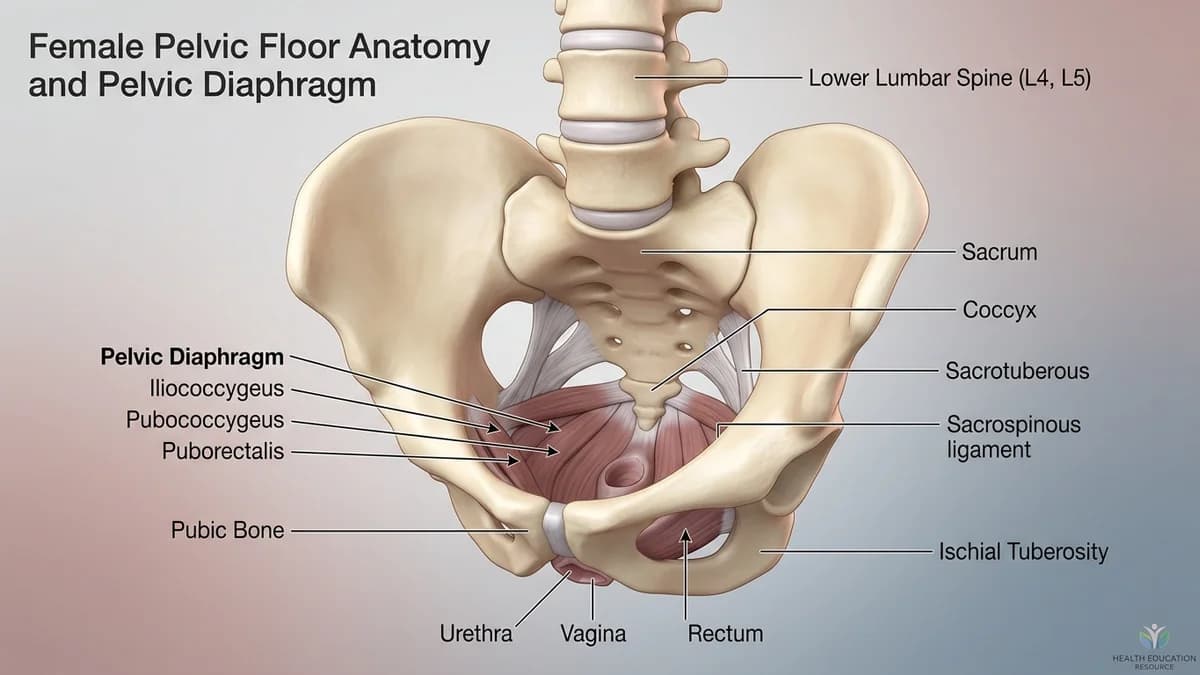
Faecal incontinence, the involuntary loss of liquid or solid stool, or the uncontrollable passage of flatus (gas), is one of the most socially isolating conditions a woman can experience postpartum. The primary cause is occult or overt obstetric anal sphincter injury (OASI) sustained during vaginal delivery, which damages the internal anal sphincter (IAS, responsible for 70 to 80% of resting tone) and external anal sphincter (EAS, responsible for squeeze pressure).
In addition to mechanical sphincter tears, traction neuropraxia of the pudendal nerve during prolonged second-stage pushing delays neural conduction, causing profound anal numbness and sensory defecation blunting.
High-Resolution Anorectal Manometry and Surface Biofeedback
Objective assessment begins with anorectal manometry to measure resting anal pressure, voluntary squeeze pressure, squeeze duration, and rectal sensory thresholds (first sensation, urge volume, and maximum tolerable volume).
Anal surface electromyography (sEMG) biofeedback utilizes a specialized, slender anal sensor connected to visual display software. The patient watches real-time visual waves of her sphincter contractions, teaching her how to isolate and fire the external anal sphincter without fatiguing the gluteal or abdominal muscles.
| Diagnostic Parameter | Normal Range | Deficit Presentation | Physiotherapy Target | |
|---|---|---|---|---|
| Resting Pressure (IAS) | 50 to 70 mmHg | < 35 mmHg (passive leakage/soiling) | Autonomic relaxation, biofeedback neuromodulation | |
| Squeeze Pressure (EAS) | 100 to 180 mmHg | < 60 mmHg (inability to hold stool) | High-intensity progressive sphincter resistance training | |
| Squeeze Endurance | >= 20 to 30 seconds | < 5 to 10 seconds (rapid fatigue) | Submaximal endurance holds (10 sec hold, 10 reps) | |
| First Sensory Threshold | 10 to 30 mL rectal volume | > 60 mL (sensory blunting, unaware of stool) | Rectal balloon sensory inflation retraining |
Bowel Habit Regulation and the Bristol Stool Chart
Managing stool consistency is half the battle in faecal continence. Loose or liquid stool (Bristol Types 6 and 7) is extremely difficult for a damaged sphincter to hold, while hard, constipated stool (Bristol Types 1 and 2) causes straining that tears healing tissues.
The clinical goal is achieving a soft, formed, sausage-like stool (Bristol Type 4) using soluble fiber (such as psyllium husk / isabgol) and calibrated hydration.
- The Anorectal Defecation Dynamic: Use a bathroom footstool to bring knees higher than hips, relaxing the puborectalis muscle and eliminating the acute 90-degree anorectal kink.
- Urge Resistance Training: When the initial urge to defecate arrives, practice sitting calmly and performing 3 gentle 50-percent sphincter squeezes to push stool back into the rectal vault, extinguishing panic.
- Pelvic Floor Posterior Sling Co-Activation: Strengthen the coordinated action between the puborectalis and external anal sphincter to support the posterior vaginal wall.
Clinical Outcomes and Quality of Life Recovery
Randomized controlled trials confirm that pelvic floor and anal sphincter biofeedback therapy yields significant improvement or complete continence in 75 to 85 percent of postpartum women, restoring their confidence to return to public life, work, and exercise.
Frequently Asked Questions
Will faecal incontinence resolve on its own over time?
While initial tissue swelling subsides within 6 to 8 weeks, damaged sphincter muscles and denervated motor units rarely recover optimal closure strength without targeted biofeedback and rehabilitation.
How does biofeedback therapy actually work?
Biofeedback uses precise sensors to convert microscopic muscle contractions into real-time visual graphs on a screen, allowing you to see and consciously strengthen muscles you cannot easily feel.
Is it normal to lose control of gas (flatus) after having a baby?
Involuntary flatus occurs in up to 25 percent of women after delivery. While common, it indicates reduced anal closure pressure and responds exceptionally well to pelvic floor physiotherapy.
Related condition guides


Related recovery guides & articles
BookPhysio.in Editorial Team
The BookPhysio.in editorial team writes and maintains this content, checking it against reliable clinical sources. Content follows our medical review policy: general information only, and no page claims a clinical review until a named registered physiotherapist has signed it off.
Read our medical review policy