
Female Physiotherapist Home Visit Safety Protocols: Operating SOP for Indian Cities
In short
Delivering home physiotherapy in Indian cities offers immense clinical satisfaction and flexible earnings, but personal safety is non-negotiable. Here is the operational safety handbook covering intake vetting, live tracking, environmental control, and emergency protocols.
In this guide (5 sections)
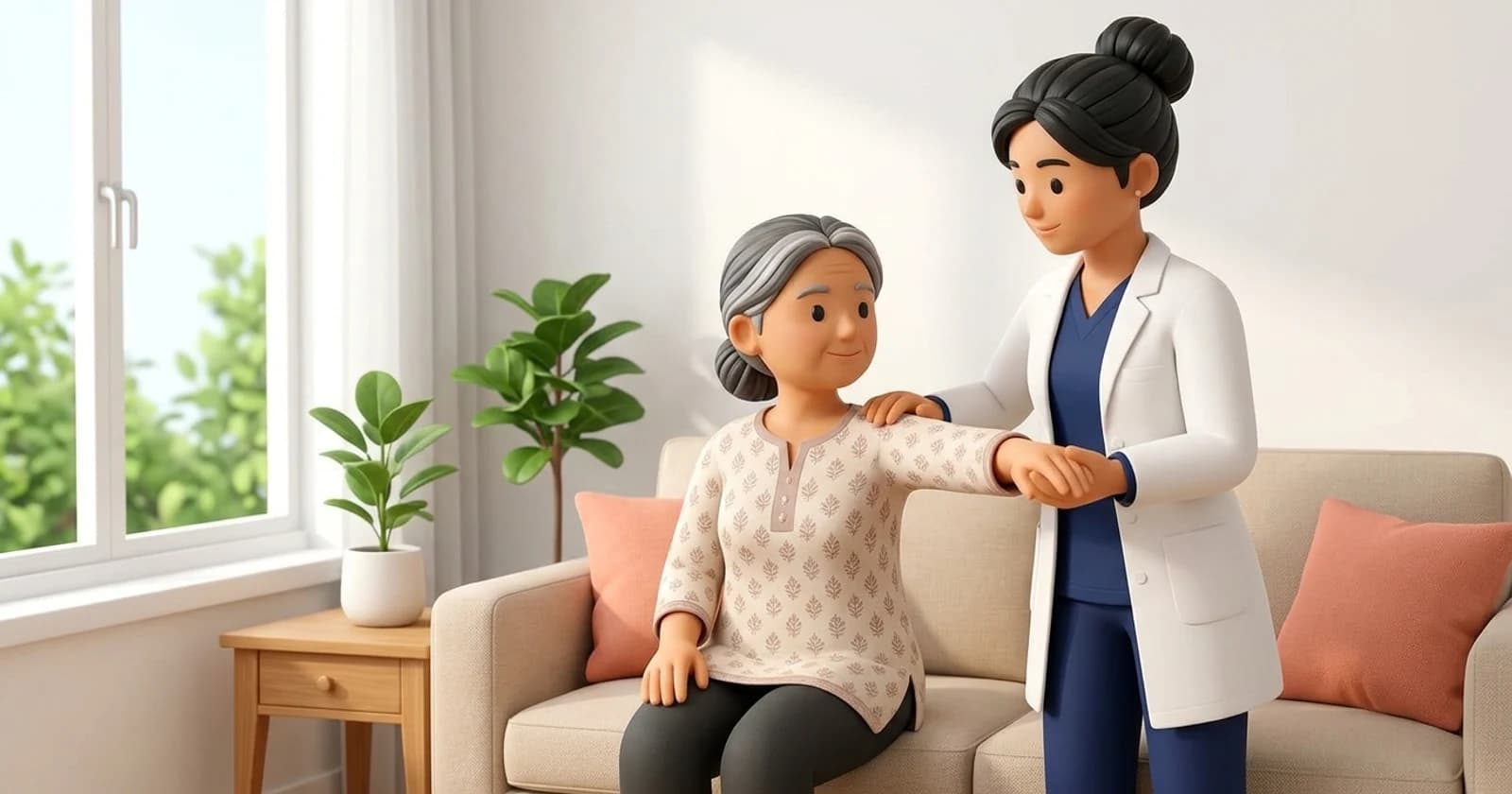
Home-visit physiotherapy is one of the fastest-growing clinical services across Indian metropolitan areas like Delhi NCR, Mumbai, Bengaluru, Hyderabad, Chennai, and Pune. For post-stroke patients, bedbound elderly individuals, and women recovering from complex gynaecological or orthopaedic surgeries, rehabilitation delivered in their own home is transformative. For qualified female physiotherapists, home care offers flexible scheduling, strong professional autonomy, and attractive earnings of ₹600 to ₹2,000 per session with zero clinic commercial overheads.
However, navigating unfamiliar residential neighbourhoods, gated apartment complexes, independent houses, and crowded suburban settlements introduces unique personal safety considerations that cannot be overlooked. Female healthcare practitioners in India frequently encounter ambiguous boundaries, late-evening booking requests from unverified individuals, intrusive inquiries, or uncomfortable domestic environments. Practicing sustainably requires an uncompromising, institutional Standard Operating Procedure (SOP) that eliminates vulnerability before the therapist ever steps outside her front door.
1. Step-by-Step Pre-Visit Intake Screening and Identity Vetting
The most effective safety protocol begins hours before the scheduled appointment during the initial patient intake. Never accept a home visit solely based on a brief WhatsApp chat or informal text message. Every prospective patient must undergo a structured clinical vetting call.
During the phone screening, gather detailed clinical records: recent hospital discharge summaries, MRI/X-ray reports, referring doctor notes, and specific mobility limitations. Genuine patients seeking professional rehabilitation for stroke, Parkinson disease, total knee replacement, or lumbar radiculopathy will eagerly share medical records. If an individual calling for a home visit provides vague symptoms, avoids sharing past medical history, or insists on booking without clinical discussion, immediately decline the appointment.
- Mandatory Government Photo ID Submission: Require the patient or the primary family booking contact to share a clear image of their government-issued identity proof (Aadhaar card, voter ID, or driving licence) along with the complete residential address, building name, flat number, and landmark prior to confirming the slot.
- Family Presence Mandate: Establish a non-negotiable clinical policy: a primary family member, spouse, adult child, or verified domestic attendant must be physically present inside the home during the entire duration of the assessment and treatment session.
- Daylight Scheduling Window for Initial Visits: Schedule all first-time assessments strictly between 8:00 AM and 6:00 PM during daylight hours. Never schedule initial evaluations after dark, regardless of how urgently the caller requests an evening slot.
- Address Verification and Society Gate Protocols: Verify whether the address is located in a gated high-rise society with 24/7 security guards and visitor logbooks, or in an isolated independent layout. If an address is located in a poorly lit, remote suburban alley with zero vehicular access, request an accompanied escort or decline.
2. Real-Time Tracking, Digital Safety Rails, and Buddy Systems
Never deliver home healthcare in total isolation. Every independent female physiotherapist must maintain an active digital safety support network: a designated clinic partner, spouse, sibling, or trusted professional colleague who acts as her live safety monitor during clinical hours.
Before travelling, share your live Google Maps or WhatsApp location with your safety contact, set to share for 8 hours. Provide your buddy with the daily appointment schedule, including the patient name, phone number, exact flat address, and estimated start and finish times. Maintain structured digital check-ins: send a quick text upon arrival at the building lobby, a message when entering the flat, and a confirmation text immediately upon leaving.
| Operational Stage | Mandatory Protocol Action | Required Digital / Physical Tools | Emergency Trigger Threshold |
|---|---|---|---|
| Stage 1: Intake Vetting | Verify clinical discharge summary, Aadhaar card of booking contact, and family presence confirmation | WhatsApp Business medical record intake folder, clinic verification checklist | Vague symptoms, refusal to provide photo ID, or refusal to have family present = Immediate Cancellation |
| Stage 2: Transit and Arrival | Share 8-hour live GPS location; verify building security register; note parking exit route | Google Maps live share, registered ride-hailing app with active emergency SOS button | Isolated unlit alley, suspicious loitering, or building security absent in high-risk zone = Abort Visit |
| Stage 3: Entering Residence | Confirm family member presence immediately at door; ensure treatment room door remains wide open | Pre-programmed emergency speed-dial widget, discreet smartwatch SOS vibration trigger | Patient alone behind locked doors, intoxicated occupants, or aggressive pets unconfined = Exit Promptly |
| Stage 4: Treatment Session | Position plinth/chair near exit path; maintain professional clinical attire; avoid personal talk | Clinical apron with deep pockets for mobile phone; professional equipment backpack | Inappropriate personal remarks, physical boundary violations, or suggestive behaviour = Terminate Instantly |
| Stage 5: Post-Session Exit | Collect digital payment immediately; exit flat promptly; send safety confirmation text to buddy | UPI QR code scanner, automated SMS/WhatsApp completion message template | Unusual delay exceeding 15 minutes beyond scheduled time without text = Buddy Initiates Urgent Phone Call |
3. Physical Environment Control Inside the Patient Residence
Once inside the residence, professional environmental management is vital. Even well-intentioned families can inadvertently create uncomfortable dynamics if professional boundaries are not established with calm, assertive authority.
Residential Environment Setup and Personal Boundary Protocol
Objective: Establish a safe, unobstructed, and professional clinical workspace inside an Indian home.
- 1Request that the treatment session take place in a well-lit living room or an open family area rather than a secluded bedroom whenever clinically feasible.
- 2If treatment must occur in a bedroom due to bedbound status or privacy requirements, insist that the bedroom door remain wide open with the family attendant seated within visual or vocal range.
- 3Position your body, treatment chair, or plinth with an unobstructed line of sight and clear walking path directly to the room exit door; never place yourself in a corner with a patient or family member blocking the doorway.
- 4Keep your personal mobile phone, car keys, and pepper spray in your clinical apron pocket or small crossbody pouch on your person, not buried deep inside your clinical backpack across the room.
- 5Politely decline excessive hospitality: accept a sealed glass of water if needed, but decline lengthy family meals, astrological consultations, or informal social lingering that blurs clinical boundaries.
- 6Wear professional clinical scrubs or a formal white clinical coat over modest clothing with closed-toe non-slip footwear, reinforcing healthcare provider status.
4. Handling Red Flags, De-escalation, and Immediate Exit Protocols
Trust your clinical intuition. If a situation feels uncomfortable or inappropriate, do not rationalize the discomfort to avoid being perceived as rude. Your physical safety takes absolute precedence over clinical politeness.
If you arrive at an address and find that the promised family members are absent and an able-bodied male patient is alone, do not step inside. Stand outside the threshold and state calmly: "Our clinic policy mandates that a family attendant be present during all home consultations. We will reschedule this appointment for a time when your family member is home." Turn and leave immediately.
If inappropriate verbal remarks or boundary breaches occur during a session, terminate the treatment immediately without debate. Pack your equipment calmly, state firmly: "This concludes our session today. I will send your home exercise summary digitally," collect the consultation fee via UPI, and exit the premises. Once in a secure location, block the contact, document the incident in writing, and report the occurrence to your local professional network and police authorities if harassment occurred.
Frequently Asked Questions
Is it safe for a female physiotherapist to travel alone for home visits at night?
We strongly recommend against female clinicians conducting solo home visits after 7:00 PM in Indian cities, particularly in unfamiliar residential sectors or poorly connected suburbs. If an existing, long-standing, verified patient requires evening care following hospital discharge, arrange for a companion, driver, or trusted family member to accompany you to the building. For all new, unverified patients, insist on daytime appointments between 8:00 AM and 6:00 PM.
What should a female therapist do if an attendant makes suggestive comments during therapy?
Maintain an unyielding, zero-tolerance stance. Cease therapy immediately, maintain calm eye contact, and state clearly: "My role here is strictly clinical. Inappropriate remarks will not be tolerated." If the behaviour does not cease instantly or if you sense any physical threat, do not argue. State that the session is complete, pack your essential equipment, walk directly to the exit door, and leave. Immediately inform your safety buddy and document the exact remarks.
How can independent female physiotherapists verify patient addresses before travelling?
Utilize a multi-point verification process: require the booking party to share their live Google Maps location on WhatsApp, verify the residential society name via Google Maps street view, request their full apartment and floor number, and require a photo of their government ID card. If the address points to an isolated industrial zone, commercial warehouse, or incomplete construction site rather than a residential home, refuse the appointment immediately.
Is it legal to carry personal protection equipment like pepper spray during home visits in India?
Yes, carrying legally permitted pepper spray canisters for personal self-defence is completely legal under Indian law and widely recommended for female professionals travelling independently. Keep the canister readily accessible in your coat pocket or exterior bag pouch rather than buried inside luggage. Additionally, ensure your smartphone emergency SOS trigger (e.g., rapidly pressing the power button 5 times to dispatch coordinates and alert emergency contacts) is configured and active.
How does BookPhysio.in protect female clinicians providing home visits?
BookPhysio.in prioritizes clinician safety and transparency. Verified physiotherapists maintain complete autonomy over their practice profiles: you choose your exact service radius (typically within 3 to 5 km of your base), set your own working hours, define whether you offer home visits or clinic visits only, and pre-screen bookings. Patients pay directly per session (₹600 to ₹2,000 for home visits) with zero platform commission, ensuring therapists work only with vetted, respectful families on their own professional terms.
Related condition guides


BookPhysio.in Editorial Team
The BookPhysio.in editorial team writes and maintains this content, checking it against reliable clinical sources. Content follows our medical review policy: general information only, and no page claims a clinical review until a named registered physiotherapist has signed it off.
Read our medical review policy