
Post-CABG Cardiac Rehabilitation: Sternal Precautions, Breathing Drills and Walking Protocol
In short
Following coronary artery bypass graft (CABG) surgery, protecting bone healing at the median sternotomy while restoring lung capacity and cardiovascular fitness is essential. Discover sternal precautions, incentive spirometry, and home walking progressions.

In this guide (6 sections)
The Median Sternotomy: Why Sternal Healing Takes 6 to 8 Weeks
In coronary artery bypass grafting (CABG), cardiac surgeons access the heart through a vertical midline division of the breastbone (median sternotomy). Upon completion, the sternum is approximated tightly using stainless steel wires.
Bone healing follows the same physiological timeline as any major fracture: preliminary fibrocartilaginous callus formation takes 4 to 6 weeks, while solid bony consolidation requires 8 to 12 weeks. Premature shearing or tensile stress can lead to sternal dehiscence (separation) or chronic sternal instability.
Sternal Precautions: The "Keep Your Move in the Tube" Concept
Modern cardiac rehabilitation has evolved from rigid restrictions to the evidence-based "Keep Your Move in the Tube" protocol. Patients are instructed to keep their elbows close to their torso during all upper body movements to minimize lever arm torque across the sternum.
| Activity | High-Risk Mechanical Action (Avoid) | Safe Modified Action (Adopt) | |
|---|---|---|---|
| Coughing / Sneezing | Unchecked thoracic explosive recoil | Hug a firm cardiac pillow or folded blanket against chest before coughing | |
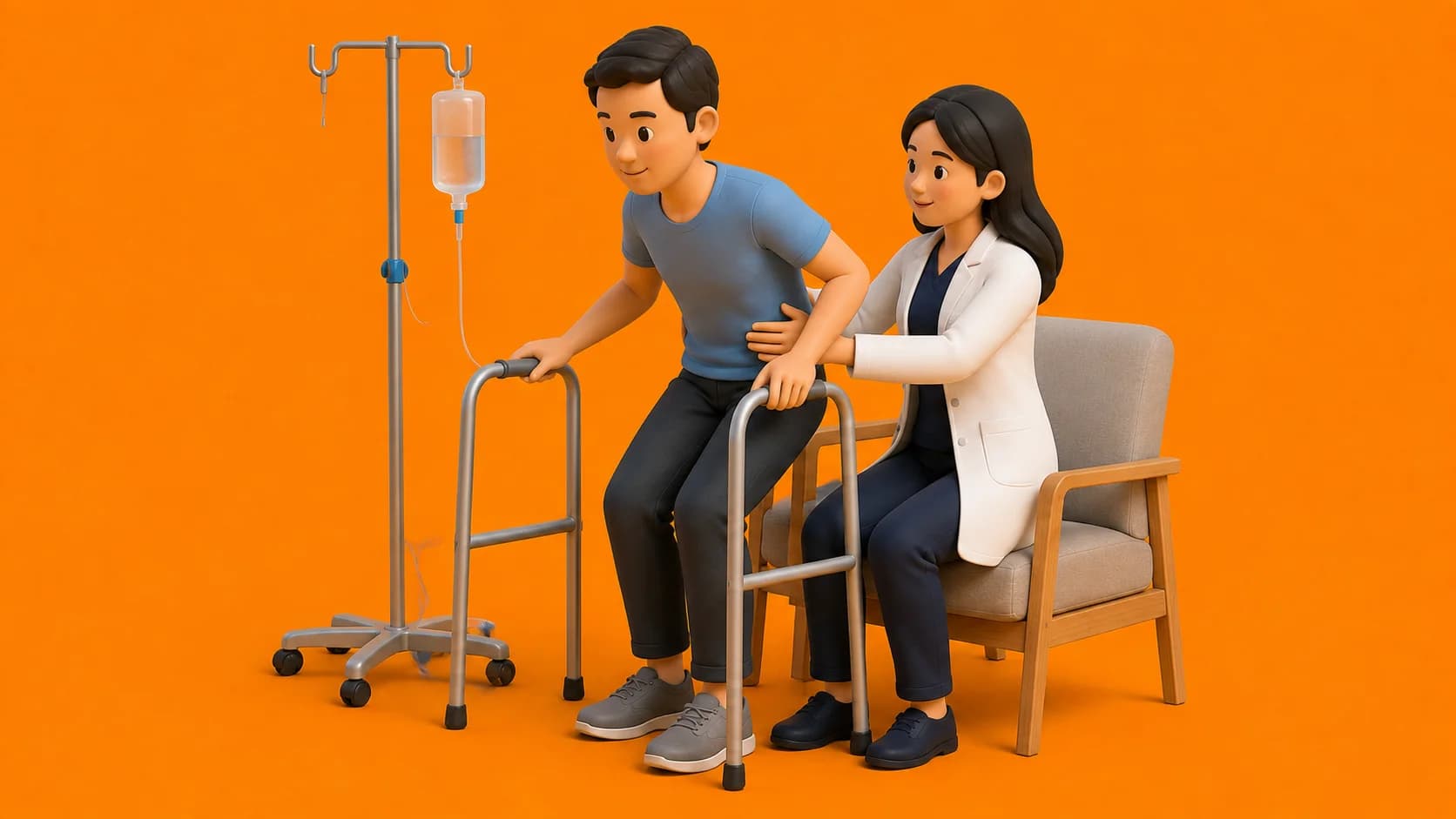
| Rising from Bed/Chair | Pushing down with both arms on armrests or bed | Cross arms over chest, lean forward at hips, and use quadriceps leg power | |
| Lifting Weight | Lifting objects heavier than 2.5 kg (a filled kettle) | Distribute light items bilaterally with elbows tucked against ribs | |
| Driving a Vehicle | Sudden wheel rotation; airbag deployment force | Refrain from driving for 6 to 8 weeks until sternal stability is cleared |
Chest Physiotherapy: Preventing Post-Operative Atelectasis
During bypass surgery, single-lung ventilation, cardiopulmonary bypass, and shallow breathing due to incisional discomfort cause collapse of small alveoli at the lung bases (basal atelectasis).
- Incentive Spirometry: Use your incentive spirometer 10 times every waking hour. Seal your lips around the mouthpiece, take a slow, deep, sustained inhalation to lift the piston, hold for 3 seconds, and exhale passively.
- Lateral Costal Expansion Breathing: Place your hands on the sides of your lower ribcage. Inhale deeply expanding your ribs outward against your hands, hold for 2 seconds, and breathe out through relaxed lips.
- Supported Coughing (Huffing): Instead of a harsh explosive cough, take a medium breath and perform two quick "huffs" (as if fogging a mirror) while hugging your chest pillow.
Phased Home Walking Protocol (Weeks 1 to 6)
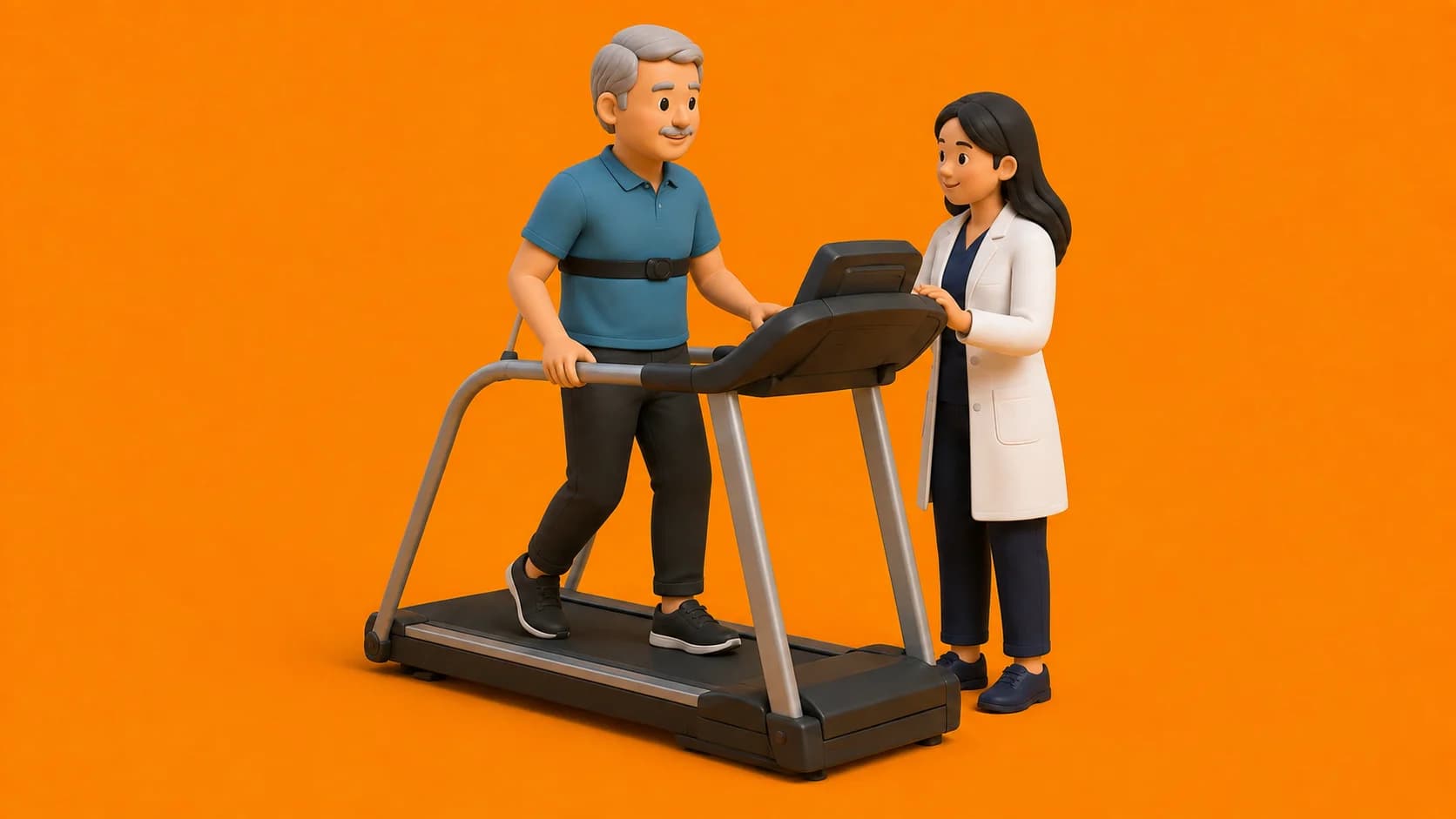
Graduated walking is the safest and most effective cardiovascular conditioning during Phase II home cardiac rehab.
- Week 1 to 2: Walk on level surfaces inside your home for 5 to 10 minutes, 2 to 3 times daily. Maintain a pace where you can comfortably speak a full sentence without breathlessness (Borg RPE 11 to 12).
- Week 3 to 4: Progress to 15 to 20 minutes of continuous outdoor walking on flat paths, avoiding extreme heat or steep inclines.
- Week 5 to 6: Increase walking duration to 25 to 30 minutes at a steady, comfortable pace. Always begin with a 3-minute slow warmup and conclude with a 3-minute cooldown.
Signs to Stop Exercising and Seek Medical Help
Immediately discontinue exercise and contact your cardiac team if you experience: central chest heaviness, pressure, or tightness radiating to your jaw or left arm; sudden dizziness or lightheadedness; irregular fluttering heartbeats (palpitations); persistent shortness of breath unresolved by rest; or a clicking sensation or grinding noise at your sternal incision.
Frequently Asked Questions
Why does my leg hurt where the saphenous vein was harvested?
Harvesting the saphenous vein from the leg leaves an incision that frequently develops swelling and mild superficial nerve numbness. Elevate your leg on a pillow when resting, perform regular ankle pumps, and wear a graduated compression stocking if advised by your surgeon.
When can I sleep on my side after open heart surgery?
Most surgeons advise sleeping on your back for the first 4 to 6 weeks to avoid lateral asymmetric shear stress across the healing sternal wires. After 6 weeks, side sleeping with a pillow between your arms and legs is usually permitted.
How do I know if my sternum is stable?
A stable sternum feels solid during breathing and gentle movements. If you feel a palpable click, pop, shift, or severe sharp pain when taking a deep breath or coughing, have your physiotherapist or cardiac surgeon assess for sternal instability.
Related condition guides
Related recovery guides & articles
BookPhysio.in Editorial Team
The BookPhysio.in editorial team writes and maintains this content, checking it against reliable clinical sources. Content follows our medical review policy: general information only, and no page claims a clinical review until a named registered physiotherapist has signed it off.
Read our medical review policy