
Cardiopulmonary Physiotherapy in India: Chest Rehab, Post-ICU and Breathing Care
Conditions and RecoveryIn short
Cardiopulmonary physiotherapy supports recovery for people living with lung conditions, recovering from heart surgery, or rebuilding physical capacity after an intensive care stay. Learn how chest clearance and breathing rehabilitation work.

Cardiopulmonary physiotherapy is a specialised branch of physiotherapy dedicated to assessing and treating disorders of the cardiovascular and respiratory systems. It supports the prevention of pulmonary complications and helps restore functional independence.
Who needs cardiopulmonary physiotherapy?
Cardiopulmonary rehabilitation is clinically indicated across multiple acute and chronic healthcare stages in India:
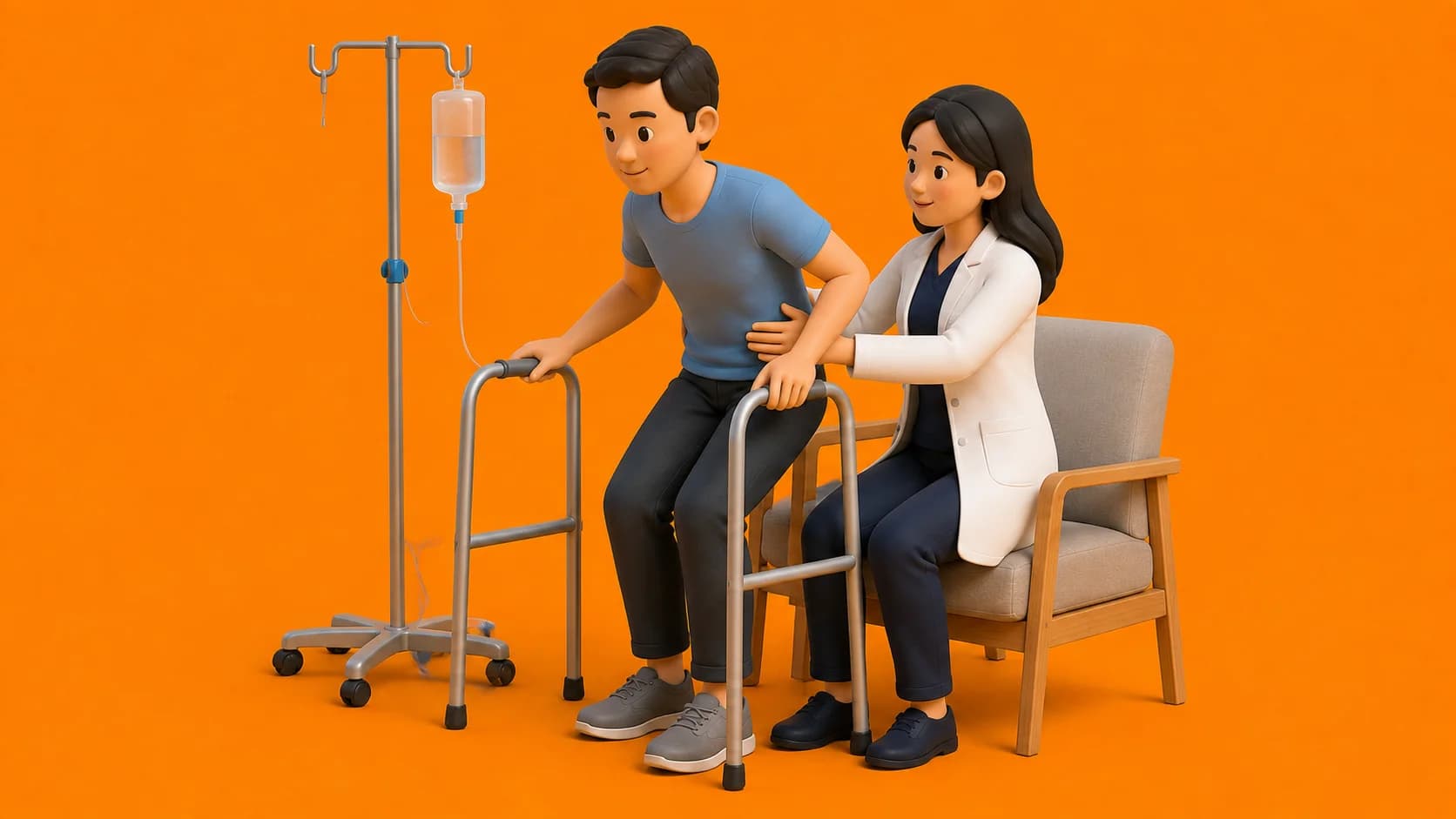
- Post-CABG (Coronary Artery Bypass Graft) & Heart Surgery: Early mobilisation, sternal precautions, thoracic expansion, and gentle aerobic reconditioning to prevent post-surgical atelectasis.
- Chronic Obstructive Pulmonary Disease (COPD) & Asthma: Breathing retreatment (pursed-lip breathing), dyspnoea management, and energy conservation techniques to improve exercise tolerance.
- Bronchiectasis & Cystic Fibrosis: Systematic airway clearance therapy to mobilise sticky bronchial secretions and reduce recurrent lung infections.
- Post-ICU & Prolonged Hospitalisation: Overcoming intensive care unit-acquired weakness (ICUAW), weaning from supplemental oxygen, and rebuilding walking endurance.
Key chest physiotherapy and airway clearance techniques
Modern cardiopulmonary care relies on active, evidence-based breathing protocols rather than passive or aggressive pounding:
- Active Cycle of Breathing Techniques (ACBT): A three-phase cycle combining breathing control (gentle diaphragmatic breathing), thoracic expansion exercises (deep breaths with 3-second hold), and the forced expiratory technique (huffing) to clear secretions without triggering bronchospasm.
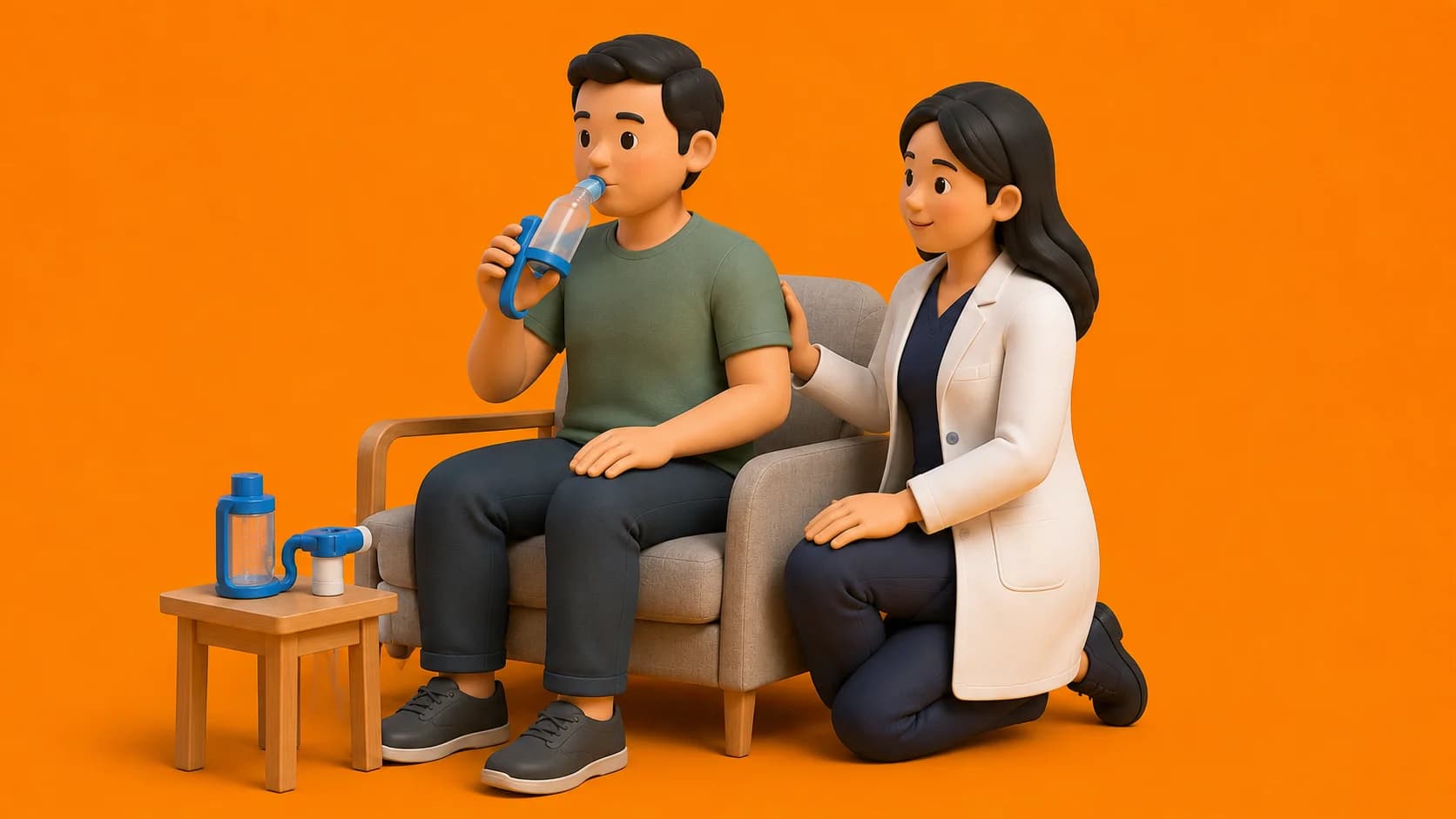
- Incentive Spirometry: Visual feedback device encouraging slow, sustained maximal inspiration to re-expand collapsed lung alveoli after abdominal or thoracic surgery.
- Autogenic Drainage: Controlled breathing at different lung volume levels (low, medium, and high) to gently unstick, collect, and evacuate bronchial mucus.
- Postural Drainage & Positioning: Gravity-assisted lung drainage using bed bolsters, avoiding head-down inversion in patients with cardiac instability, gastro-oesophageal reflux, or hypertension.

| Factor | In-Clinic Rehabilitation | Home Visit Chest Care |
|---|---|---|
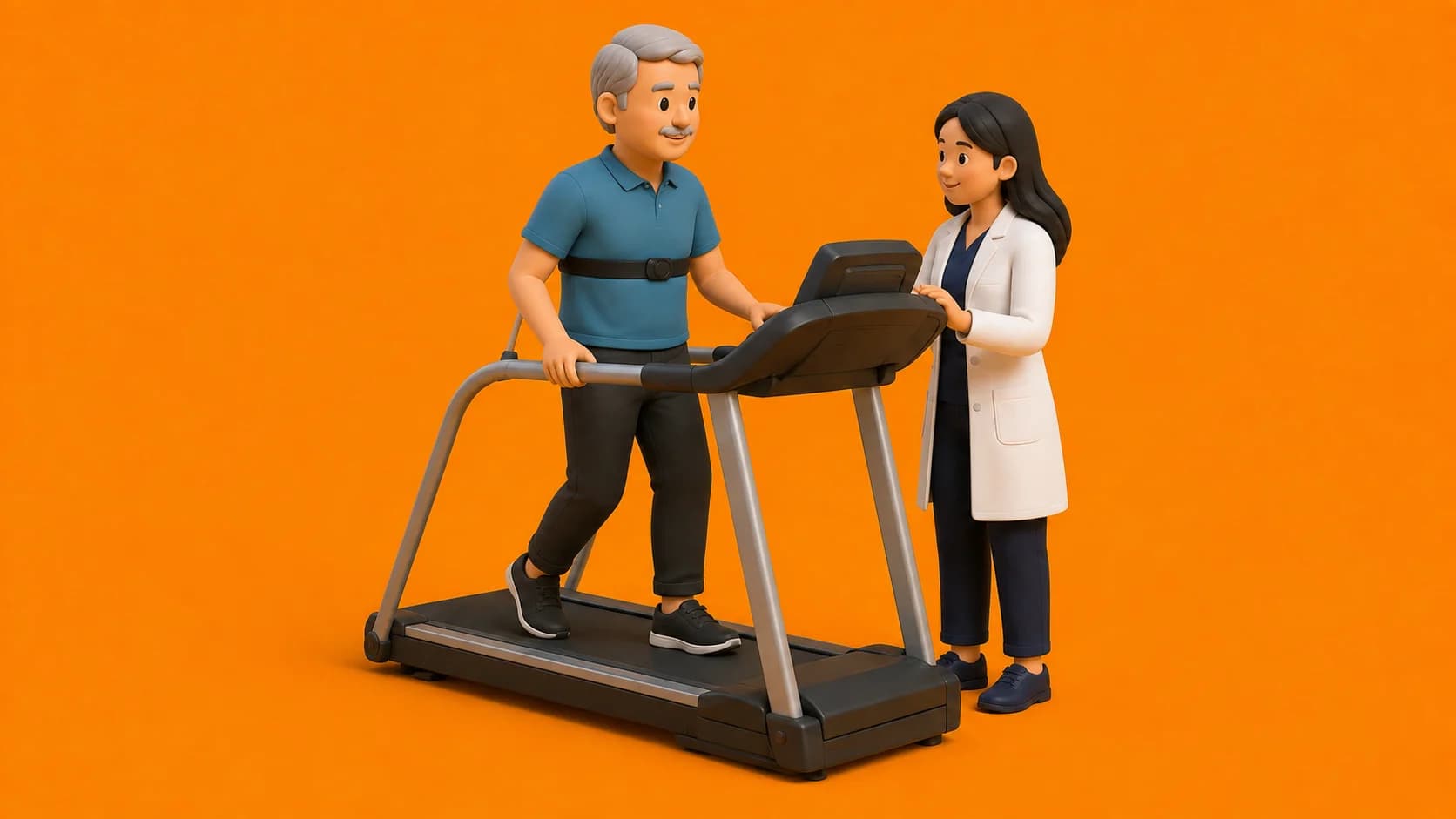
| Best suited for | Ambulatory patients needing telemetry treadmills, arm ergometers, and group exercise | Frail, oxygen-dependent, or post-discharge patients unable to travel through city traffic |
| Monitoring equipment | Stationary ECG monitors, oxygen wall supply, spirometry stations | Portable finger pulse oximeter (SpO2), manual blood pressure cuff, peak flow meter |
| Family involvement | Periodic caregiver education at consultation review | Direct hands-on coaching of family caregivers on positioning and suctioning in home environment |
Monitoring vital signs and safety thresholds
Cardiopulmonary sessions require ongoing clinical monitoring. Physiotherapists track baseline oxygen saturation (SpO2), resting heart rate, respiratory rate, and blood pressure. Sessions are paused if SpO2 drops below clinician-prescribed thresholds (typically <90% or >4% drop from baseline), or if the patient experiences severe dizziness, angina chest pressure, or excessive pallor.
Need specialised chest physiotherapy or cardiac recovery guidance? Explore our dedicated condition recovery resources.
COPD physiotherapy guide →Frequently asked questions
Can chest physiotherapy be performed at home after hospital discharge?
Yes. Home-visit cardiopulmonary physiotherapy is very common across Indian cities for elderly or post-surgical patients who cannot comfortably commute through pollution or traffic.
How soon after open-heart surgery should physiotherapy start?
In-hospital rehabilitation starts on Day 1 or Day 2 post-surgery under medical supervision. Supervised home or outpatient cardiac rehab continues for 6 to 12 weeks to safely regain stamina.
Is manual chest clapping or percussion safe for everyone?
No. Vigorous manual chest percussion is contraindicated in severe osteoporosis, acute rib fractures, bleeding disorders, and pulmonary embolism. Active breathing protocols (ACBT) are preferred.
Evidence reviewed 5 September 2026. General information only. BookPhysio.in is a booking platform, not a clinic.
Sources reviewed
British Thoracic Society (BTS) Guideline for Respiratory Physiotherapy; American Association of Cardiovascular and Pulmonary Rehabilitation (AACVPR).
Ready to see a physiotherapist?
Find verified physiotherapists in your city for clinic visits and home visits. Compare fees and real availability, then pay directly at your session.
Top cities for home visits & clinic care:
Related condition guides

BookPhysio.in Editorial Team
Editorial Team
The BookPhysio.in editorial team writes and maintains this content, checking it against reliable clinical sources. Content follows our medical review policy: general information only, and no page claims a clinical review until a named registered physiotherapist has signed it off.
Read our medical review policy