
Pelvic Girdle Pain in Pregnancy: Walking Comfortably and Relieving Symphysis Pubis Ache
In short
Stabbing pubic bone ache and sacroiliac pain make walking during pregnancy agonizing. Learn how pelvic health physiotherapy stabilizes your pelvis safely.

In this guide (5 sections)
Pelvic Girdle Pain (PGP), previously commonly termed Symphysis Pubis Dysfunction (SPD), affects approximately one in five pregnant women. It is characterized by persistent, often sharp or grinding pain experienced between the posterior iliac crest and the gluteal fold, particularly in the sacroiliac (SI) joints and radiating into the anterior symphysis pubis joint. In India, where pregnant women frequently manage multi-generational household responsibilities, stair climbing, and traditional floor tasks, PGP is often dismissed as standard pregnancy discomfort, leaving expectant mothers severely incapacitated.
The female pelvis is a robust ring formed by three interconnected joints: the two posterior sacroiliac joints and the anterior pubic symphysis. During pregnancy, elevated levels of relaxin and progesterone increase ligamentous laxity to facilitate childbirth. However, PGP is not caused solely by hormone-induced laxity; it develops when asymmetric mechanical shear forces overload the joints due to altered spinal biomechanics, anterior pelvic tilt, and weakened neuromuscular stabilization.
1. Biomechanics: Asymmetric Shear and Pelvic Ring Instability
Under normal circumstances, the pelvic ring distributes body weight smoothly from the spine down into the femur heads through a mechanism known as force closure: active muscular clamping provided by the gluteus medius, adductors, transversus abdominis, and pelvic floor. As the gravid uterus shifts the body's centre of gravity forward, the pelvis tips into an anterior tilt, increasing lumbar lordosis.
When performing single-leg tasks such as climbing stairs, putting on salwar trousers, or rolling over in bed, one side of the pelvis experiences an upward shear force while the opposite side drops. In the presence of reduced ligamentous tension, this asymmetric shear stresses the fibrocartilaginous disc of the pubic symphysis, producing sharp, localized burning or clicking sensations.
| Diagnostic Feature | Symphysis Pubis Dysfunction (SPD) | Pregnancy-Related Sciatica | Round Ligament Pain |
|---|---|---|---|
| Pain Location | Anterior pubic bone, groin, inner thigh, radiating to bilateral SI joints | Lower back, unilateral buttock, radiating down posterior leg past the knee | Lower abdomen, bilateral groin, deep in the inguinal fold |
| Primary Aggravating Factor | Asymmetric leg movements: climbing stairs, turning in bed, standing on one leg | Prolonged sitting, bending forward, straight leg raising | Sudden movements: coughing, laughing, rolling over quickly in bed |
| Pain Quality | Sharp, stabbing, grinding ache; audible or palpable joint clicking | Electric, burning, tingling nerve pain; possible numbness in the foot | Brief, sharp, cramp-like twinge lasting seconds; completely relieves at rest |
| Physiotherapy Focus | Pelvic support belt, adductor isometrics, symmetrical movement pacing | Piriformis release, lumbar flexion/extension pacing, sciatic nerve flossing | Gentle heat, abdominal support taping, slow postural transitions |
2. Indian Domestic Realities: Squatting, Pooja, and Stair Climbing
Traditional daily activities in Indian households present distinct biomechanical challenges for pregnant women experiencing PGP. Deep squatting (such as using traditional Indian squat toilets or cleaning low floor surfaces), sitting cross-legged on the floor for pooja ceremonies or meals, and repeatedly climbing steep staircases in multi-storey family homes place immense asymmetric strain across the pubic symphysis.
Modifying these activities is essential for tissue recovery. Expectant mothers should transition to using a Western commode or install a raised toilet seat extension, sit on a supportive dining chair rather than low floor cushions, and apply the "pencil skirt rule", keeping both knees together when getting into and out of bed, autorickshaws, or cars, as if wearing a tight pencil skirt.
3. Three-Phase Active Pelvic Stability Protocol
Rehabilitation focuses on enhancing active muscular force closure to compensate for relaxed ligaments without aggravating inflamed pelvic joints.
Three-Phase Pregnancy Pelvic Girdle Stabilization Protocol
Objective: Restore active force closure across the pelvic ring, eliminate pubic symphysis shearing, and maintain comfortable functional mobility.
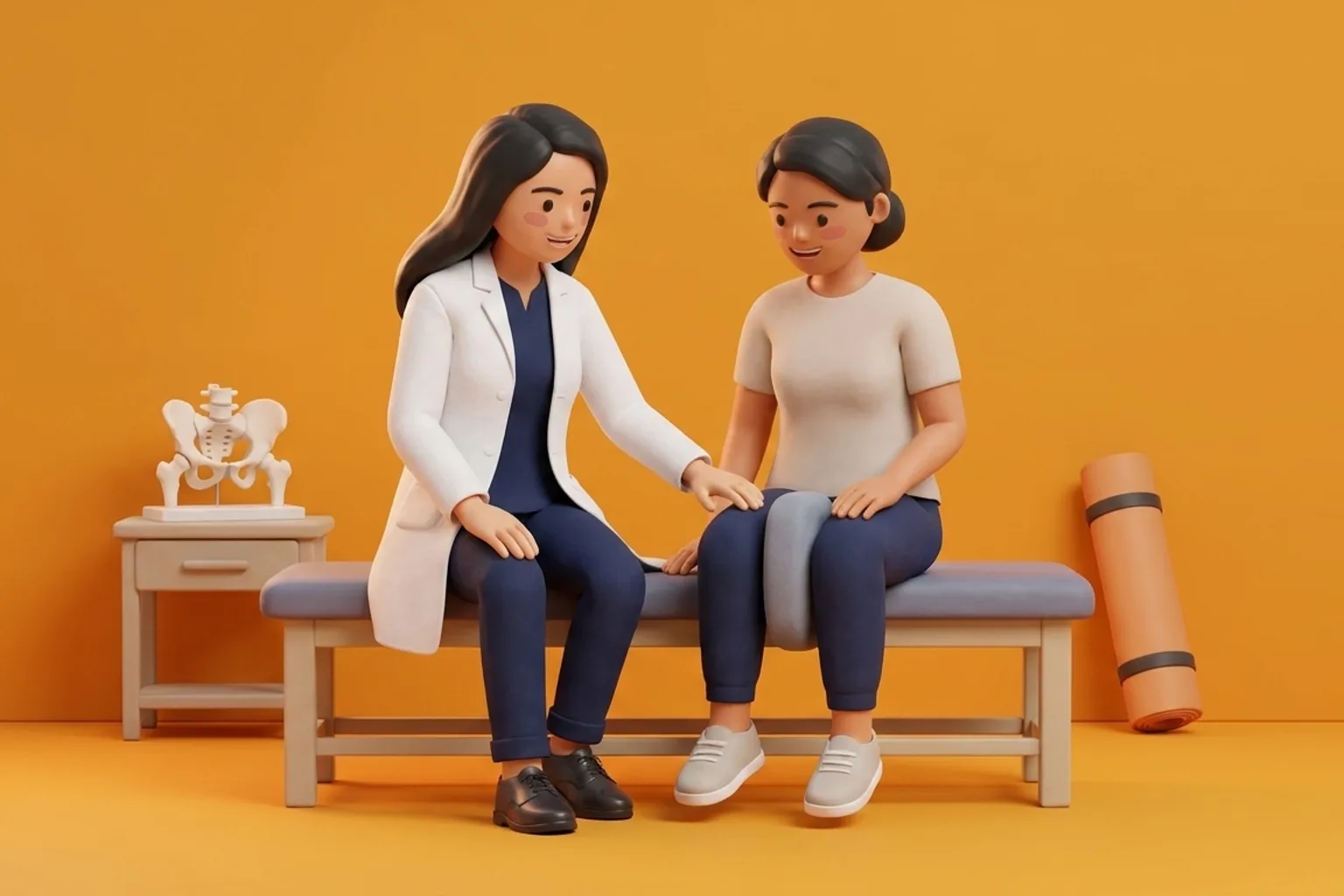
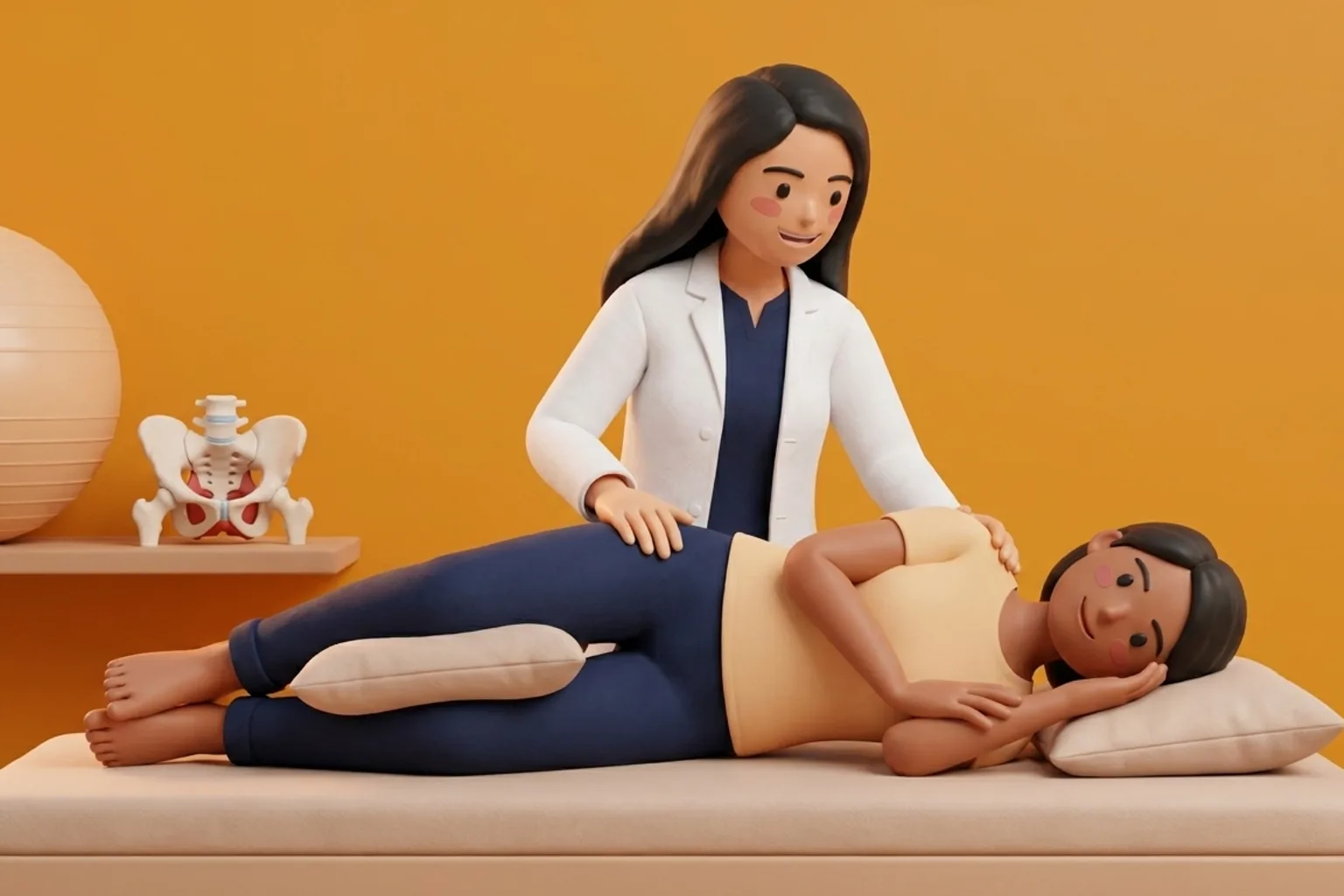
- 1Phase 1 (External Support and Alignment Principles): Apply an adjustable, non-elastic pelvic support belt (trochanteric belt) tightly around the greater trochanters (not across the soft abdomen). The belt provides mechanical compression that stabilizes the SI joints and pubic symphysis by up to 30 percent during walking. Sleep side-lying with a firm, thick pillow placed lengthwise between both knees and ankles to prevent internal hip rotation.
- 2Phase 2 (Submaximal Symmetrical Adductor and Gluteal Isometrics): Lie on your back with knees bent and feet flat (or semi-reclined with pillows). Place a soft yoga block or inflatable pilates ball between your knees. Gently squeeze the ball with 30 to 40 percent effort while exhaling slowly. Hold for 5 seconds. Repeat for 10 repetitions, 2 times daily. Follow with gentle double-leg gluteal bridges, lifting the pelvis only a few inches while maintaining the ball squeeze.
- 3Phase 3 (Symmetrical Functional Movement Transitions): Practice standing up from chairs keeping weight distributed evenly across both heels. Take smaller, symmetrical steps when walking. When navigating stairs, ascend leading with your stronger leg, and descend leading with your sore leg ("Up with the good, down with the bad"), placing both feet on each step before progressing.
- 4Safety Cue: Avoid all wide-stance lunges, single-leg squats, and aggressive hip openers (such as unsupported butterfly stretches) during active flare-ups.
4. Red Flags and Obstetric Gatekeeping
While pelvic girdle pain is a musculoskeletal condition, pregnant women must remain vigilant for obstetric complications. Seek immediate emergency obstetric medical attention if pelvic ache is accompanied by regular, cramping uterine contractions, vaginal bleeding, fluid leakage, high fever, or severe sudden headaches with blurred vision. Furthermore, if you experience sudden, severe pubic pain accompanied by an inability to bear any weight on your legs, an urgent orthopaedic evaluation is required to rule out traumatic pubic diastasis rupture.
Frequently Asked Questions
Does severe pelvic girdle pain mean I will definitely need a caesarean section?
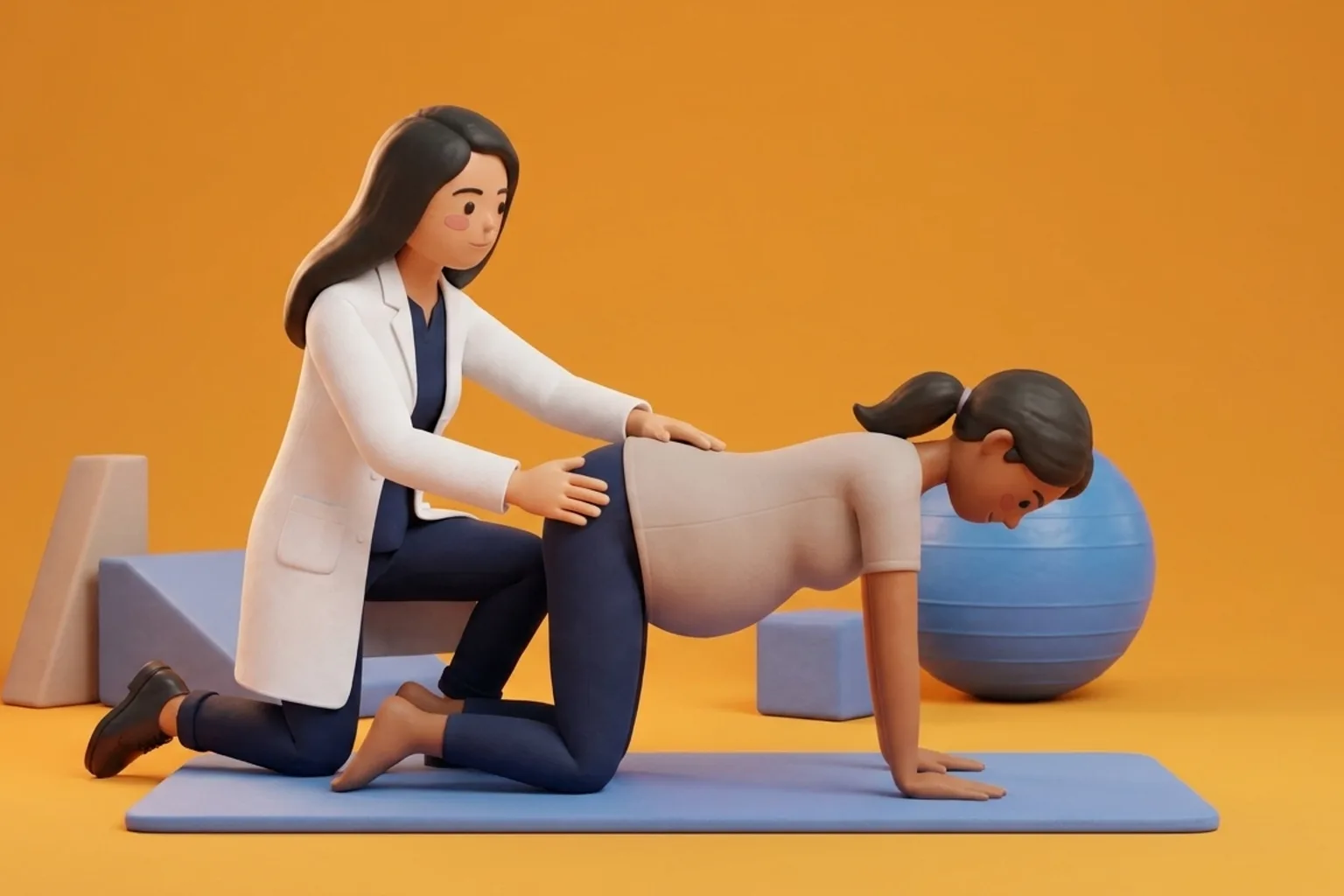
No. Having pelvic girdle pain or symphysis pubis dysfunction does not automatically require a caesarean delivery. The vast majority of women with PGP deliver vaginally with excellent outcomes. During labour, your physiotherapist and obstetrician can help you choose positions that avoid extreme hip abduction, such as side-lying, kneeling over a birth ball, or all-fours, which keep the pelvis stable and comfortable.
Will pelvic girdle pain automatically disappear the moment I give birth?
For many women, the sharpest pain improves within days after delivery as mechanical fetal weight is removed and relaxin levels begin declining. However, up to 10 to 15 percent of women continue experiencing persistent pain if underlying muscular imbalances are not addressed. Starting gentle postnatal core and pelvic stability exercises ensures complete recovery.
Can I continue doing pregnancy yoga if I have symphysis pubis dysfunction?
You must significantly modify your yoga practice. Classic yoga poses that require wide hip abduction, single-leg balancing (such as Tree Pose), or deep lunges (such as Warrior poses) create severe asymmetric shear across the pubic bone and worsen inflammation. Replace them with symmetrical, closed-chain stability postures under the guidance of a prenatal physiotherapist.
Where should a pregnancy pelvic support belt be positioned on my body?
A pelvic support belt must be worn low around the widest part of your hips, directly over the bony greater trochanters of your femur and across the pubic bone. Wearing it high around your waist or over your soft pregnant belly is ineffective and provides zero joint compression.
What is the pricing for pregnancy physiotherapy home visits via BookPhysio.in?
BookPhysio.in enables expectant mothers across India to book certified prenatal and women's health physiotherapists. Standard fees range from ₹400 to ₹1,500 for clinic visits and ₹600 to ₹2,000 for home visits, which are especially helpful when walking and travelling are painful. Patients pay their physiotherapist directly at each session with zero booking fees.
Related condition guides
BookPhysio.in Editorial Team
The BookPhysio.in editorial team writes and maintains this content, checking it against reliable clinical sources. Content follows our medical review policy: general information only, and no page claims a clinical review until a named registered physiotherapist has signed it off.
Read our medical review policy